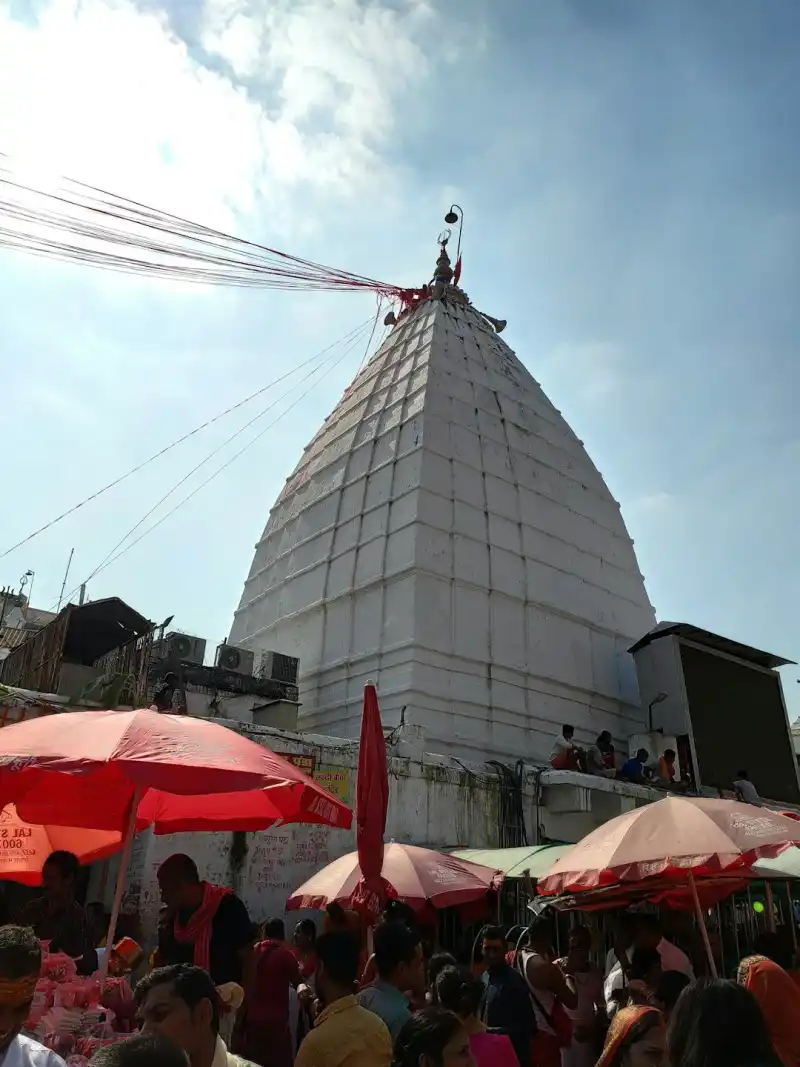
About Deoghar
Deoghar tourism centres on Baba Baidyanath Dham, one of India's twelve Jyotirlingas, but the town in Jharkhand offers much more: Trikut Pahar's ropeway and hill trails, sunset views from Nandan Pahar, the caves of Tapovan, Naulakha Mandir, and the Shravani Mela that draws lakhs of pilgrims every monsoon.
Historically known in Sanskrit texts as Haritakivan or Ketakivan, Deoghar grew organically around its sacred shrines over centuries. Beyond its global reputation as a major Hindu pilgrimage center, Deoghar carries a rich, multifaceted heritage. In the early 20th century, it served as a quiet retreat for freedom fighters and the Bengali intelligentsia, later evolving into a respected educational hub with institutions like the Ramakrishna Mission Vidyapith. Today, Deoghar bridges ancient Vedic traditions, Santhal tribal culture, and modern regional connectivity—boosted by its dedicated airport and major railway infrastructure.
- Location: Santhal Parganas Division, Jharkhand, India
- Geographic Elevation: ~255 meters above sea level
- Primary Economy: Tourism & Hospitality, Silk Crafts, Agriculture, and Local Artisanal Bazaars
History of Deoghar
Deoghar's temple is old enough that its origins sit in scripture rather than record. In classical Sanskrit literature the area appears under the names Haritakivan and Ketakivan. The Bhavishya Purana, written around the 15th–16th century AD, contains a mention of the temple of Lord Baidyanath at Deoghar — one of the earliest textual references to the shrine.
Read the full history →Geography of Deoghar
Deoghar sits in the western part of the Santhal Pargana division, in the north-east of Jharkhand. The district covers roughly 2,477 square kilometres and shares borders with Banka and Jamui districts to the north, Dumka to the east, Jamtara to the south and Giridih to the west.
The landscape is largely undulating plateau country, broken by scattered low hill ranges — Phuljori, Teror and Degaria among them. This is the eastern edge of the Chota Nagpur plateau, and the terrain is gentler than Jharkhand's more forested interior.
The hills immediately around the town are what most visitors actually see: Trikut Pahar with its three peaks, Nandan Pahar rising at the town's edge, and the Tapovan hills with their caves. None are high, and all are approachable as short trips rather than expeditions.
Sources differ on elevation depending on what is being measured — figures of roughly 250 m for the district and around 410 m for the town both appear. Either way, this is low-lying plateau, not hill station altitude, and it does not moderate the summer heat.
Why Visit Deoghar
Deoghar offers a rare travel experience where deep-rooted spiritual devotion meets serene natural landscapes and unique local culture. Whether you are seeking a sacred pilgrimage, a peaceful weekend retreat, or an outdoor hill exploration, Deoghar delivers a compelling mix of attractions:
- Experience a Rare Dual Shrine: Visit Baidyanath Dham, one of India's few holy sites where a sacred Shiva Jyotirlinga and a Shakti Peetha exist together in a single complex. Witness the unique Gathbandhan ritual, where spires of the Shiva and Parvati temples are linked by red sacred silk.
- Witness Asia’s Longest Pilgrimage: Travel during the holy month of Shravan (July–August) to experience the extraordinary energy of the Shrawani Mela, where millions of saffron-clad Kanwaris walk 108 km barefoot carrying holy Ganges water to offer at Baba Dham.
- Explore Scenic Hills & Ancient Caves: Trek or ride the ropeway up Trikut Pahar for sweeping views of the Santhal countryside, or visit the quiet granite caves of Tapovan, where sages meditated centuries ago.
- Admire Architectural Grandeur: Marvel at the Naulakha Mandir, a stunning 146-foot-tall Radha-Krishna temple whose intricate architecture mirrors Belur Math in Kolkata.
- Find Inner Peace at World-Renowned Ashrams: Spend quiet hours meditating at Satsang Ashram or nearby spiritual centers like Rikhiapeeth.
- Savor Legendary Local Flavors: Indulge in Deoghar’s iconic Peda, a rich, cardamom-infused sweet made from slow-caramelized condensed milk (khoya) that has earned nationwide fame.
Top Tourist Places & Things to Do in Deoghar
The Deoghar tourist places and things to do that most travellers plan their visit around.
Want to stay close to Baba Baidyanath Temple? Local owners nearby can send you offers. Get Free Stay Offers →
Where to Stay in Deoghar: Popular Areas
Get stay offers from local owners in Deoghar
- Share your dates and needs
- Matching stays send their offers
- You compare and choose
Free · No payment · No obligation
Plan Your Deoghar Trip
Quick, practical guidance for getting there, moving around, eating well and organising your time.
Staying overnight? Tell local owners your dates and compare their offers. Get Free Stay Offers →
Railway, Airport and Bus Access in Deoghar
Check the terminal on your ticket before travelling because major cities can have more than one arrival point.
Jasidih Junction is the main railhead, about 6–7 km from Baba Baidyanath Temple, with long-distance connections to Kolkata, Delhi, Patna and other major cities.
Deoghar Airport (DGH) , about 12 km from the temple.
Deoghar is connected by road to towns across Jharkhand and neighbouring Bihar and West Bengal, with National Highway 114 and National Highway 133 passing through.
Best Time to Visit Deoghar
October to March is the best time to visit Deoghar for a comfortable trip. The weather is mild and dry, temple queues are manageable, and the surrounding hills are pleasant to explore. If your purpose is the Shravani…
Read the full guide →Travelling in peak season or on a festival date? Popular stays fill early, so share your dates now. Get Free Stay Offers →
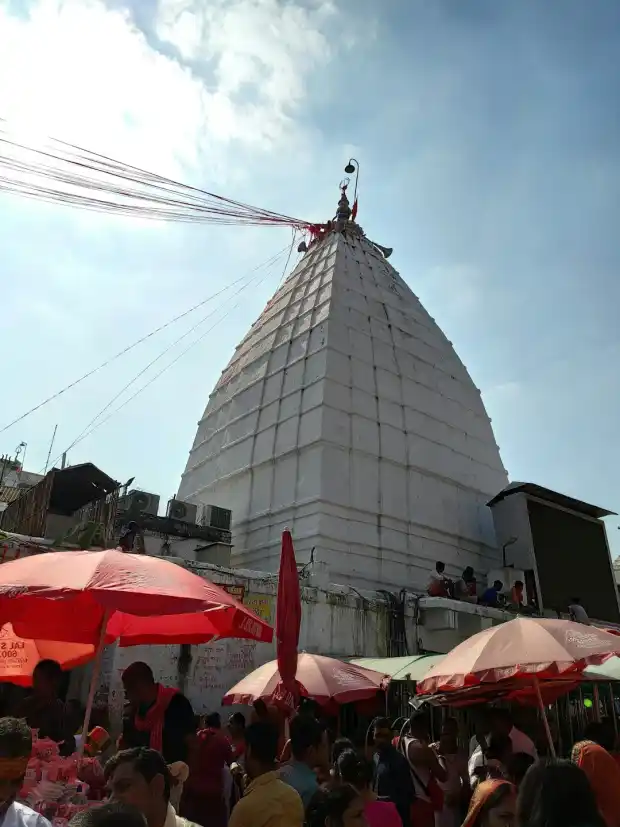
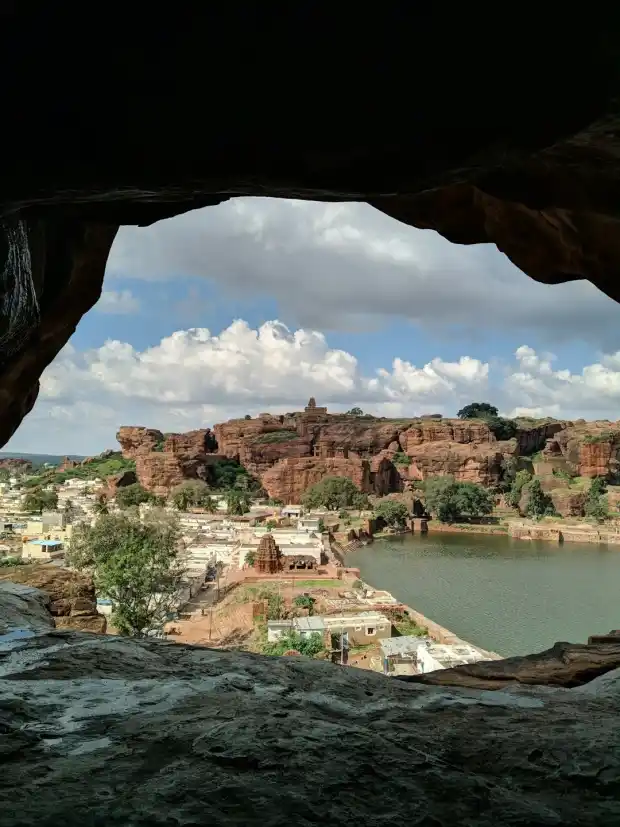
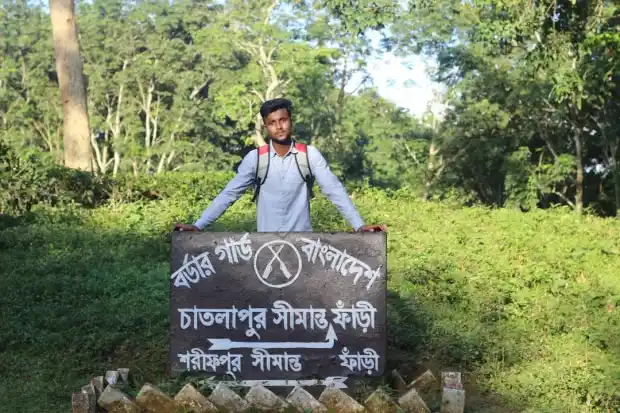
Photos of Deoghar


Deoghar Map
Explore top attractions around Deoghar directly on the map.
More Deoghar Guides
Deoghar FAQs
What is Deoghar famous for?⌄
How many days are enough for Deoghar?⌄
Where should I stay in Deoghar?⌄
Which is the nearest airport to Deoghar?⌄
Which is the main railway station for Deoghar?⌄
Complete Deoghar Travel Guide
Explore food, transport, weather, travel tips, FAQs and deeper destination information.