
About Ayodhya
Ayodhya is an ancient city located on the banks of the sacred Saryu River in Uttar Pradesh, India. Universally recognized as the birthplace of Lord Rama (Ram Janmabhoomi), it holds deep spiritual significance as one of the seven Mokshadayi (salvation-granting) cities in Hinduism. Beyond its primary Ramayana heritage, Ayodhya carries a rich multi-faith history, boasting historical sites linked to Buddhism, Jainism (the birthplace of five Tirthankaras), Sikhism, and Sufism. Today, the city is undergoing a major urban and infrastructure transformation into a world-class pilgrimage and cultural hub.
History of Ayodhya
Ayodhya's chronicle spans millennia, documented as the ancient capital of the Solar Dynasty ( Suryavansha ) in the Ramayana. Beyond epic literature, archaeological evidence indicates continuous habitation from the 5th century BCE under the Maurya and Gupta Empires, when it served as a major trade center known as Saketa . Over subsequent centuries, it absorbed Buddhist, Jain, and Islamic heritage—evidenced by 18th-century Nawabi architecture in nearby Faizabad—before its…
Read the full history →Geography of Ayodhya
Situated on the Gangetic plain in central Uttar Pradesh, Ayodhya sits at an elevation of 93 meters above sea level along the southern bank of the Saryu River (a tributary of the Ghaghara). The topography is flat and urbanized, structured around major newly developed pedestrian avenues (Ram Path, Bhakti Path, and Janmabhoomi Path) that radiate outward from the central temple core toward the riverfront.
Why Visit Ayodhya
Spiritual Significance: Home to the grand Shri Ram Janmabhoomi Mandir, Hanuman Garhi, and historic temples where millions seek spiritual reflection and darshan.
Cultural & Heritage Architecture: Admire traditional Nagara-style temple architecture, historic palaces like Dashrath Mahal, and grand heritage sites like Gulab Bari.
Scenic Saryu Ghats & Evening Aarti: Experience serenity and grand evening light rituals at Ram Ki Paidi and along the Saryu River riverfront.
Festivals & Grand Celebrations: Deepawali (celebrated with world-record Deepotsav illumination), Ram Navami, and Dussehra showcase the city at its peak cultural vibrancy.
Top Tourist Places & Things to Do in Ayodhya
The Ayodhya tourist places and things to do that most travellers plan their visit around.
Where to Stay in Ayodhya: Popular Areas
Planning to stay in Ayodhya?
We are adding local stays in Ayodhya. Share your dates and we will contact you when suitable options are available.
Free · No payment · No obligation
Plan Your Ayodhya Trip
Quick, practical guidance for getting there, moving around, eating well and organising your time.
Best Time to Visit Ayodhya
October to March: Ideal weather for walking between temples and exploring ghats. Festival Surges: Visiting during Deepotsav (Diwali) or Ram Navami (March/April) offers unmatched cultural experiences, but accommodation…
Read the full guide →Photos of Ayodhya

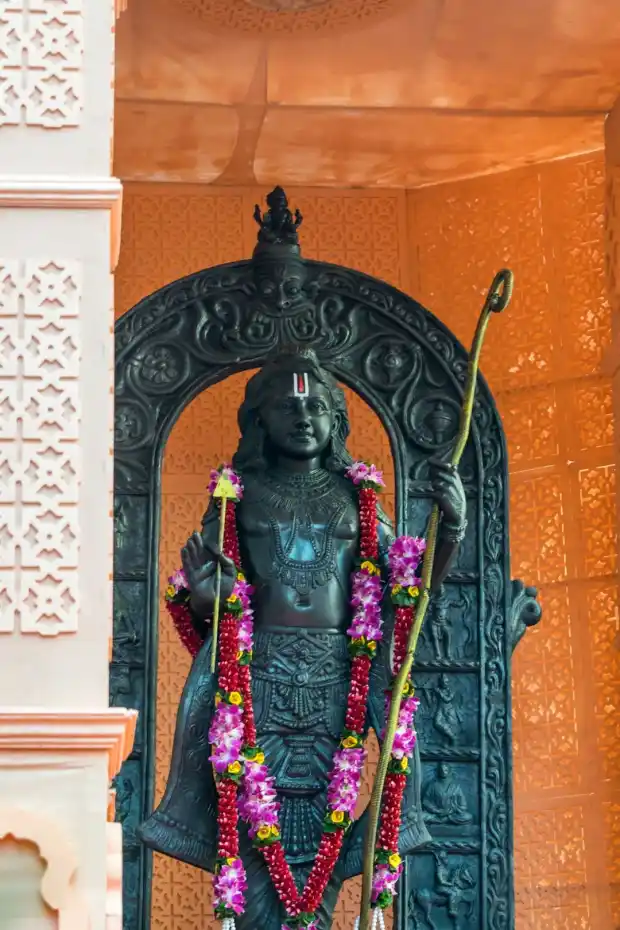
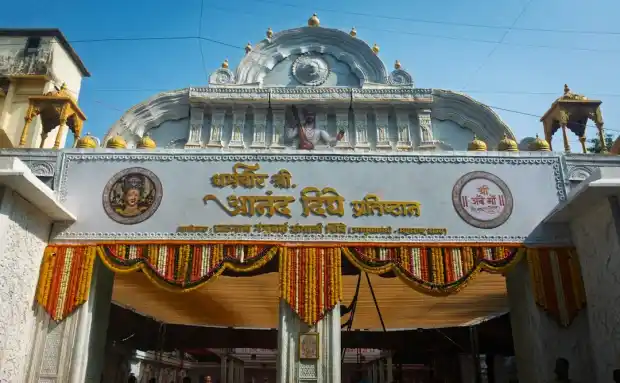
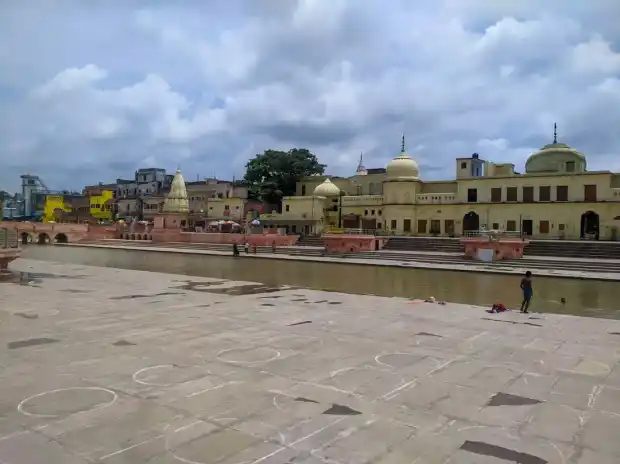
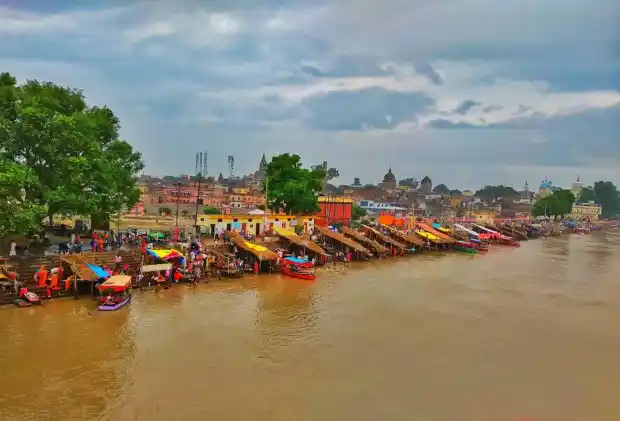

Ayodhya Map
Explore top attractions around Ayodhya directly on the map.
Nearby Destinations from Ayodhya
Places travellers often add to the same trip.
More Ayodhya Guides
Ayodhya FAQs
What is Ayodhya best known for?⌄
How many days are enough for Ayodhya?⌄
What is the best time to visit Ayodhya?⌄
What are the Ram Mandir darshan timings?⌄
Is there an entry fee or VIP darshan at the Ram Mandir?⌄
Complete Ayodhya Travel Guide
Explore food, transport, weather, travel tips, FAQs and deeper destination information.