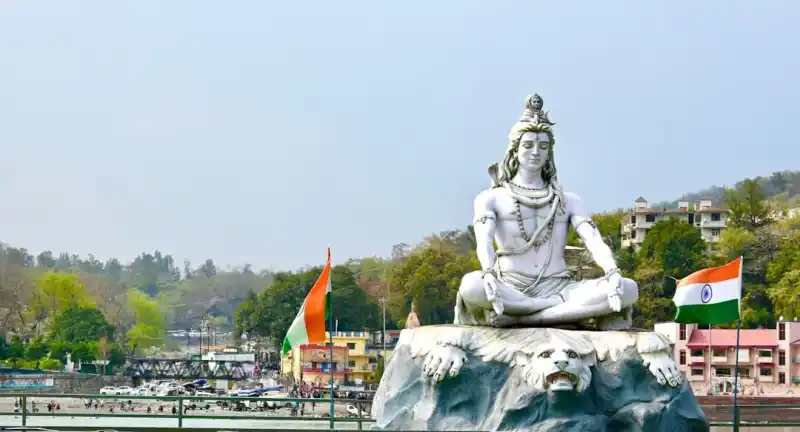
About Haridwar
Haridwar is one of Hinduism's major pilgrimage cities, where the Ganga enters the plains and daily ritual life centres on Har Ki Pauri, temples, ashrams and evening Ganga Aarti.
The city stands at the edge of the Shivalik foothills beside channels of the Ganga. Har Ki Pauri, the railway area, Kankhal and outlying temples require different local routes; Rishikesh lies farther upstream.
Choose accommodation near the main purpose of your Haridwar trip and group each day by area. This guide covers attractions, neighbourhoods, weather, transport, food and practical planning without relying on schedules or prices that quickly become outdated.
History of Haridwar
Haridwar's sacred identity is rooted in ancient pilgrimage traditions and the Kumbh Mela cycle. Gurukuls, akharas, temples and ashrams have made it a long-standing centre of religious learning and practice.
Read the full history →Geography of Haridwar
The city stands at the edge of the Shivalik foothills beside channels of the Ganga. Har Ki Pauri, the railway area, Kankhal and outlying temples require different local routes; Rishikesh lies farther upstream.
Why Visit Haridwar
Haridwar rewards travellers who combine its headline sights with local neighbourhoods and food.
- Landmarks: Har Ki Pauri, Mansa Devi Temple, Chandi Devi Temple, Daksheswar Mahadev Temple, Maya Devi Temple, Shantikunj.
- Food: Haridwar is strongly vegetarian. Try aloo puri, kachori, chole, seasonal sweets, lassi and simple North Indian or Garhwali food at clean established kitchens.
- Culture: Kumbh and Ardh Kumbh cycles, Kanwar Yatra, Kartik Purnima, Ganga Dussehra, Makar Sankranti and daily Ganga Aarti shape crowds and access.
- Practical travel: select a stay close to the day's main area to reduce road time.
Top Tourist Places & Things to Do in Haridwar
The Haridwar tourist places and things to do that most travellers plan their visit around.
Where to Stay in Haridwar: Popular Areas
Planning to stay in Haridwar?
We are adding local stays in Haridwar. Share your dates and we will contact you when suitable options are available.
Free · No payment · No obligation
Plan Your Haridwar Trip
Quick, practical guidance for getting there, moving around, eating well and organising your time.
Railway, Airport and Bus Access in Haridwar
Check the terminal on your ticket before travelling because major cities can have more than one arrival point.
Haridwar Junction is the main railhead with links to major cities
Dehradun's Jolly Grant Airport (DED) is the nearest commercial airport
Haridwar bus station and route-specific stops connect Dehradun, Rishikesh, Delhi and Uttarakhand hill routes through government and private services
Best Time to Visit Haridwar
October to March is generally most comfortable. Festival and yatra periods are spiritually significant but extremely crowded; monsoon travel requires official weather and river advisories.
Read the full guide →Photos of Haridwar
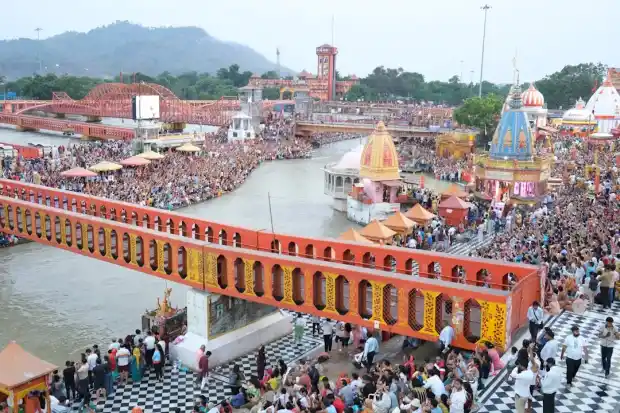
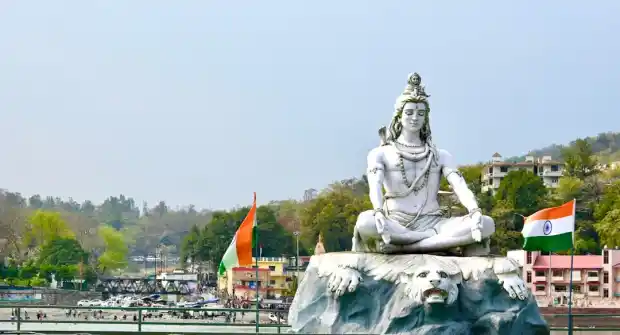
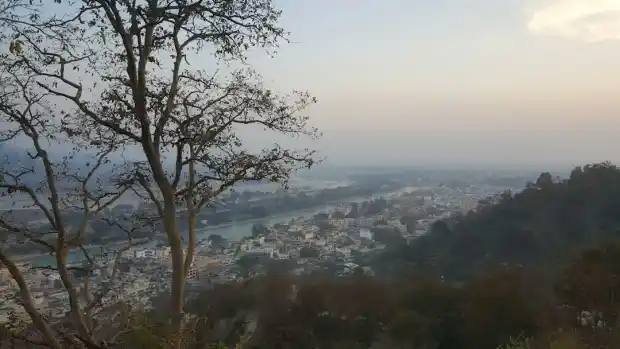
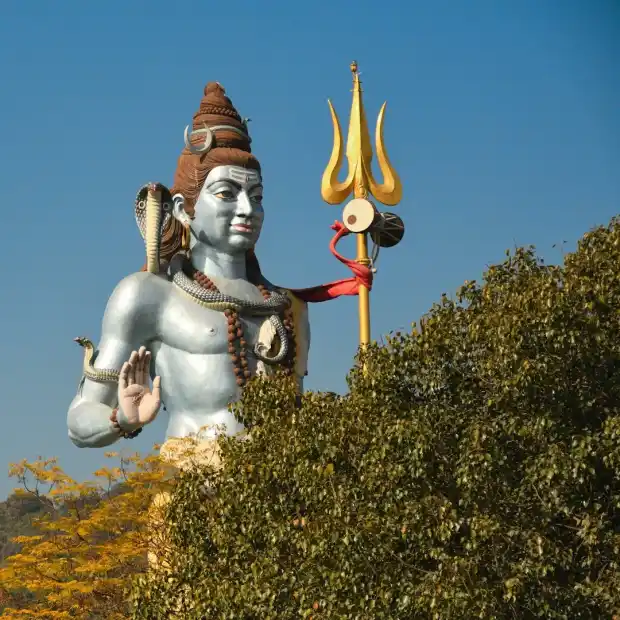
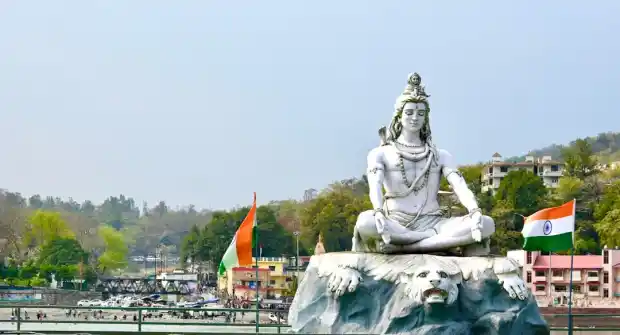
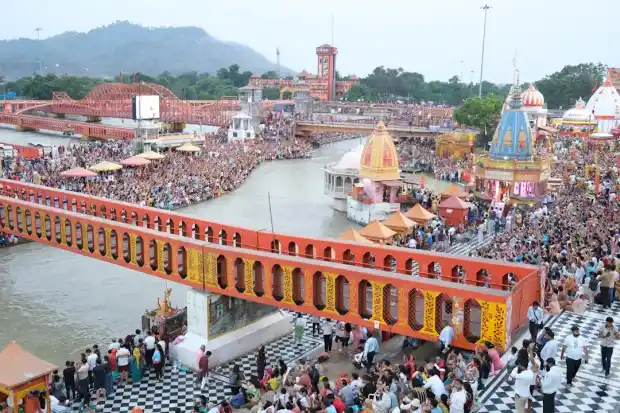
Haridwar Map
Explore top attractions around Haridwar directly on the map.
More Haridwar Guides
Haridwar FAQs
What is Haridwar best known for?⌄
How many days are enough for Haridwar?⌄
What is the best time to visit Haridwar?⌄
Which area is best for a first-time visitor?⌄
Is Haridwar safe for tourists?⌄
Complete Haridwar Travel Guide
Explore food, transport, weather, travel tips, FAQs and deeper destination information.