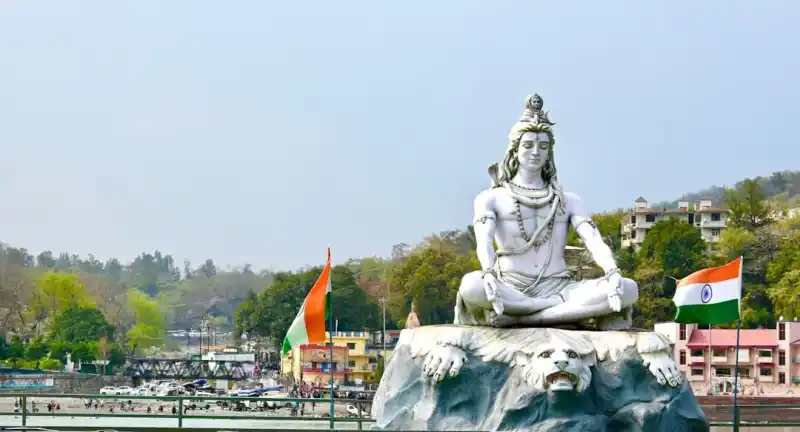
Planning a Trip to Haridwar
Haridwar is one of Hinduism's major pilgrimage cities, where the Ganga enters the plains and daily ritual life centres on Har Ki Pauri, temples, ashrams and evening Ganga Aarti.
The principal experiences include Har Ki Pauri, Mansa Devi Temple, Chandi Devi Temple, Daksheswar Mahadev Temple, Maya Devi Temple, Shantikunj.
Two to three well-planned days suit a first visit; add time for distant excursions or a slower neighbourhood-focused trip.
History of Haridwar
Haridwar's sacred identity is rooted in ancient pilgrimage traditions and the Kumbh Mela cycle. Gurukuls, akharas, temples and ashrams have made it a long-standing centre of religious learning and practice.
Haridwar Climate
Haridwar has hot summers, a monsoon from roughly July to September and cool winters. River levels, bathing access and road conditions can change quickly during heavy rain.
Seasonal patterns can vary; check the current forecast and local advisories before departure.
Haridwar Weather
Cooler or drier months
Usually best for long outdoor sightseeing days; carry a light layer where evenings turn cool.
Hot months
Start early, rest during the strongest afternoon heat and carry water and sun protection.
Rainy months
Keep a flexible indoor alternative and extra time for traffic, stations and airport transfers.
Best Time to Visit
October to March is generally most comfortable. Festival and yatra periods are spiritually significant but extremely crowded; monsoon travel requires official weather and river advisories.
Read the full guide to the best time to visit Haridwar →How to Reach Haridwar
Dehradun's Jolly Grant Airport (DED) is the nearest commercial airport; taxis and road transfers connect it with Haridwar.
Read the full Haridwar transport guide →Getting Around Haridwar
E-rickshaws, autos, cycle rickshaws, local buses and walking cover the city. Pedestrian controls and vehicle restrictions often apply near Har Ki Pauri.
Group nearby attractions together and avoid unnecessary cross-city journeys during peak hours.
Top Attractions on a Haridwar Trip
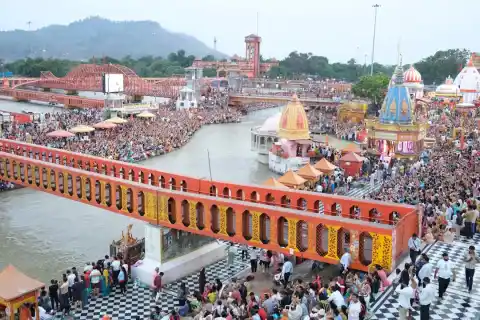
Har Ki Pauri
Haridwar's iconic Ganga ghat, Har Ki Pauri is the city's spiritual heart and the most celebrated setting for the daily evening Ganga Aarti.
Read more ›
Mansa Devi Temple
A major Shakti shrine atop Bilwa Parvat, Mansa Devi Temple combines wish-fulfilling devotion, hill views and one of Haridwar's popular ropeway experiences.
Read more ›
Chandi Devi Temple
Perched on Neel Parvat, Chandi Devi Temple is a major Haridwar Siddha Peeth known for its hilltop setting, Shakti traditions and scenic ropeway approach.
Read more ›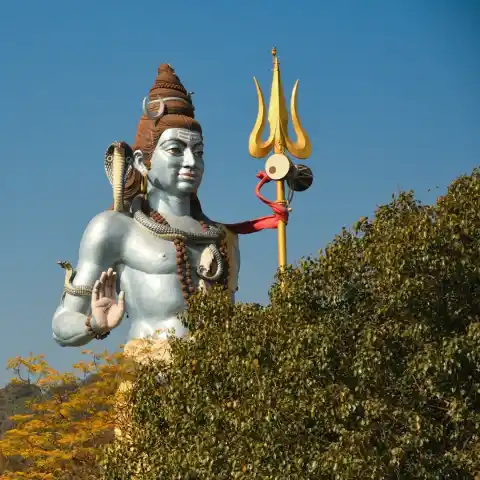
Maya Devi Temple
One of Haridwar's most important ancient Shakti shrines, Maya Devi Temple is closely tied to the city's old name Mayapuri and its identity as a sacred pilgrimage centre.
Read more ›Bharat Mata Mandir
A distinctive multi-storey temple dedicated to Mother India, Bharat Mata Mandir presents saints, freedom figures and India's cultural diversity through themed floors.
Read more ›Sapt Rishi Ashram & Sapt Sarovar
A peaceful ashram and sacred Ganga-side area where tradition says the river divided into seven streams so seven sages could meditate undisturbed.
Read more ›Vaishno Devi Temple, Haridwar
A cave-style devotional temple inspired by the Vaishno Devi tradition, offering a compact pilgrimage experience within Haridwar without the Himalayan journey to Katra.
Read more ›
Daksha Mahadev Temple
A major Shiva temple in Kankhal, Daksha Mahadev is rooted in the Sati-Daksha yajna tradition and is one of Haridwar's most important Shravan pilgrimage sites.
Read more ›Patanjali Yogpeeth
A large yoga and Ayurveda institution near Haridwar, Patanjali Yogpeeth represents the city's modern wellness identity through research, treatment and yoga-related activity.
Read more ›Chilla Wildlife Sanctuary (Rajaji National Park)
The Chilla range of Rajaji National Park offers Haridwar's strongest wildlife experience, with elephant habitat, Shivalik forests, river landscapes and rich birdlife.
Read more ›
Daksheswar Mahadev Temple
Read more ›
Shantikunj
Headquarters of the All World Gayatri Pariwar, Shantikunj is a large spiritual and educational campus known for Gayatri worship, disciplined ashram life and social-spiritual programmes.
Read more ›Shopping
Upper Road, Moti Bazaar and markets near Har Ki Pauri sell puja items, brassware, rudraksha, religious books and sweets; buy sacred items from reputable sellers.
Read the Haridwar shopping guide →Local Food
Haridwar is strongly vegetarian. Try aloo puri, kachori, chole, seasonal sweets, lassi and simple North Indian or Garhwali food at clean established kitchens.
Explore Haridwar local food →Festivals in Haridwar
Kumbh and Ardh Kumbh cycles, Kanwar Yatra, Kartik Purnima, Ganga Dussehra, Makar Sankranti and daily Ganga Aarti shape crowds and access.
Dates change annually. Expect crowd controls and traffic diversions, and observe worship and processions respectfully.
Photography Spots
Photograph Har Ki Pauri from permitted ghats at dawn or blue hour, temple ropeway views and quieter river scenes; never obstruct rituals or photograph private worship without consent.
Tripods, drones and commercial photography may need permission. Follow monument, museum, religious-site, aviation and security restrictions.
Suggested Itinerary
Walk the ghats, explore the old markets and attend Ganga Aarti from an authorised public area.
See the Haridwar itinerary hub →What to Pack for Haridwar
- Comfortable walking shoes and light, breathable layers.
- Sun protection, reusable water bottle and compact rain protection.
- Modest clothing for active religious sites.
- Photo ID, medicines, prescription copies, power bank and backup payment method.
Pack modest quick-drying clothes, secure footwear for wet ghats, a light winter layer, rain protection in monsoon and only essential valuables; never enter unsafe river currents.
Hospitals in Haridwar
Government District Hospital and private hospitals serve the city; AIIMS Rishikesh is a major referral institution but should not replace the nearest emergency facility.
For urgent care, use the nearest suitable emergency department rather than crossing the destination. Call ahead for planned appointments and carry identification, insurance information and a medicine list. This is travel-planning information, not medical advice.
Haridwar Emergency Numbers
- 112: unified emergency response.
- 100: police.
- 101: fire and rescue.
- 102/108: ambulance and emergency response.
- 1098: child helpline.
Use 112 when unsure and share a clear landmark and live location. Service availability can change.
Travel Tips
Plan by area: distance on a map may not reflect real travel time. Verify before leaving: check current opening days, last entry, weather and transport status. Use recognised transport: confirm fares or app bookings and vehicle details. Respect local life: dress appropriately at religious sites and ask before portraits. Keep a buffer: allow extra time for rain, crowds and terminal transfers.
Read all Haridwar travel tips →Haridwar Trip Budget
Plan about ₹1,200–₹2,500 daily for a basic pilgrimage, ₹3,000–₹6,000 mid-range and ₹7,000+ for comfort; major melas can sharply increase rates.
These are indicative September 2026 planning ranges, not fixed prices. Accommodation location, weekends, festivals and events can materially change the total.
Planning to stay in Haridwar?
We are adding local stays in Haridwar. Share your dates and we will contact you when suitable options are available.
Free · No payment · No obligation
Good to know