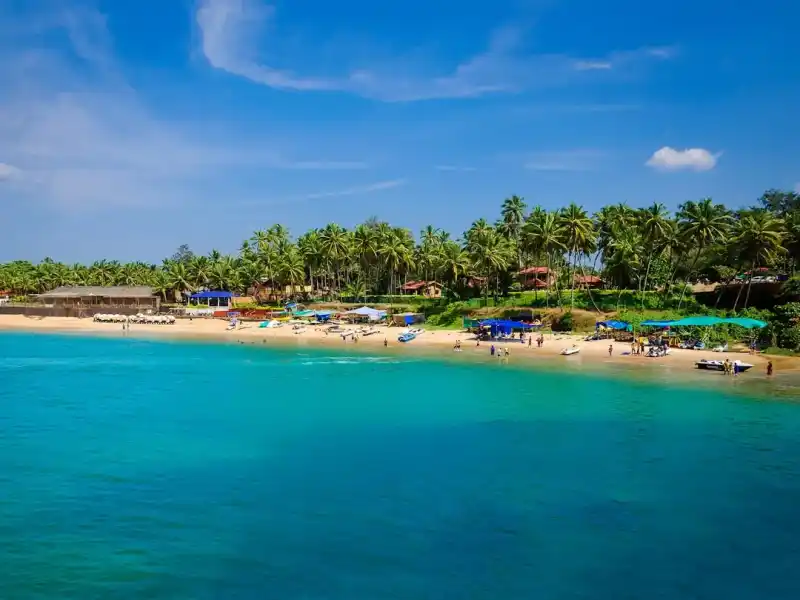
About Goa
Goa is a coastal state rather than a single city, combining Arabian Sea beaches, river landscapes, Portuguese-era churches and houses, Hindu temples, wildlife, village life and a distinct Konkan food culture.
North and South Goa offer different travel patterns. Panaji and Old Goa suit heritage, the northern beach belt is busier, the south is generally more spread out, and the Western Ghats interior holds forests and waterfalls.
Choose accommodation near the main purpose of your Goa trip and group each day by area. This guide covers attractions, neighbourhoods, weather, transport, food and practical planning without relying on schedules or prices that quickly become outdated.
History of Goa
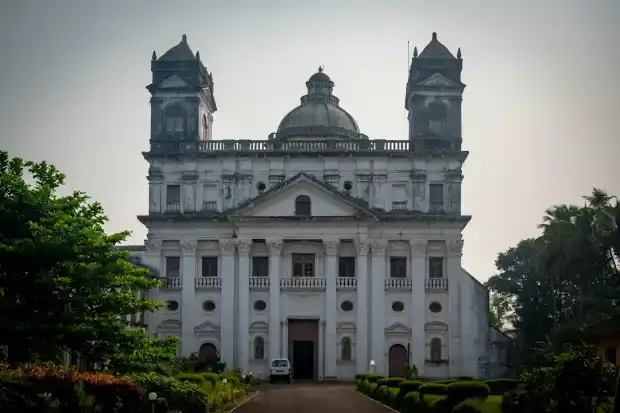
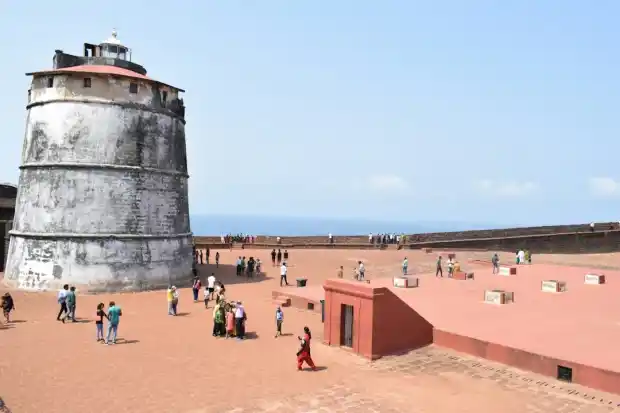
Goa's history includes Kadamba and other regional rule, more than four centuries of Portuguese administration and integration into India in 1961. Old Goa's churches and later Indo-Portuguese settlements preserve this layered past.
Read the full history →Geography of Goa
North and South Goa offer different travel patterns. Panaji and Old Goa suit heritage, the northern beach belt is busier, the south is generally more spread out, and the Western Ghats interior holds forests and waterfalls.
Why Visit Goa
Goa rewards travellers who combine its headline sights with local neighbourhoods and food.
- Landmarks: Basilica of Bom Jesus, Se Cathedral, Fontainhas, Panaji Riverfront, Calangute Beach, Palolem Beach.
- Food: Try fish curry rice, xacuti, cafreal, vindaloo, recheado preparations, poi bread, choris where suitable, bebinca and vegetarian Saraswat or Konkan dishes; ask about spice, meat and alcohol content.
- Culture: Carnival, Shigmo, Sao Joao, Ganesh Chaturthi, Christmas and village feasts shape Goa's calendar; dates, routes and access vary annually.
- Practical travel: select a stay close to the day's main area to reduce road time.
Top Tourist Places & Things to Do in Goa
The Goa tourist places and things to do that most travellers plan their visit around.
Where to Stay in Goa: Popular Areas
Planning to stay in Goa?
We are adding local stays in Goa. Share your dates and we will contact you when suitable options are available.
Free · No payment · No obligation
Plan Your Goa Trip
Quick, practical guidance for getting there, moving around, eating well and organising your time.
Railway, Airport and Bus Access in Goa
Check the terminal on your ticket before travelling because major cities can have more than one arrival point.
Madgaon and Vasco da Gama are major railheads, while Thivim and Karmali suit parts of North Goa and Panaji/Old Goa
Goa International Airport at Dabolim (GOI) and Manohar International Airport at Mopa (GOX) serve different parts of the state
Kadamba Transport Corporation buses connect Panaji, Margao, Mapusa and other towns
Best Time to Visit Goa
November to February is best for beaches and outdoor exploration. Monsoon suits greenery and quieter travel but swimming, waterfall access and water sports depend on official safety conditions.
Read the full guide →Photos of Goa


Goa Map
Explore top attractions around Goa directly on the map.
More Goa Guides
Goa FAQs
What is Goa best known for?⌄
How many days are enough for Goa?⌄
What is the best time to visit Goa?⌄
Which area is best for a first-time visitor?⌄
Is Goa safe for tourists?⌄
Complete Goa Travel Guide
Explore food, transport, weather, travel tips, FAQs and deeper destination information.