HomeDestinationsDelhi
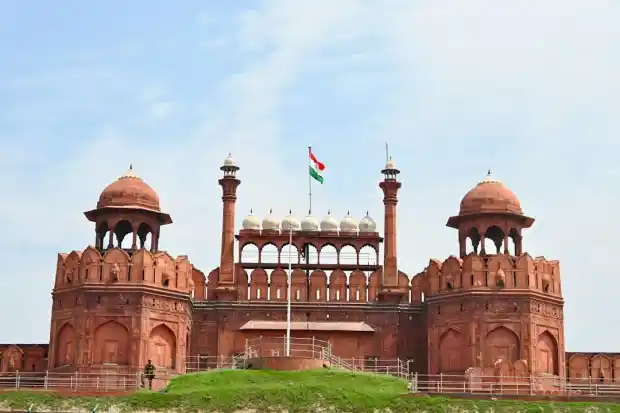
📍 Delhi (National Capital Territory), India ✨ Famous for Red Fort

Delhi, Delhi (National Capital Territory)

Delhi is India's capital and one of the oldest continuously inhabited cities in the world. It spreads across roughly 1,500 square kilometres on the banks of the Yamuna in northern India, home to well over 30 million people in the wider National Capital Region.

The city is really several cities layered on top of each other. Successive rulers — Tomaras, the Delhi Sultanate, the Mughals, the British — each built their own capital here, and the remains of all of them survive. You can stand at the 12th-century Qutub Minar in the morning, walk through 17th-century Mughal Old Delhi at midday, and end the afternoon on the wide colonial avenues of Lutyens' New Delhi.

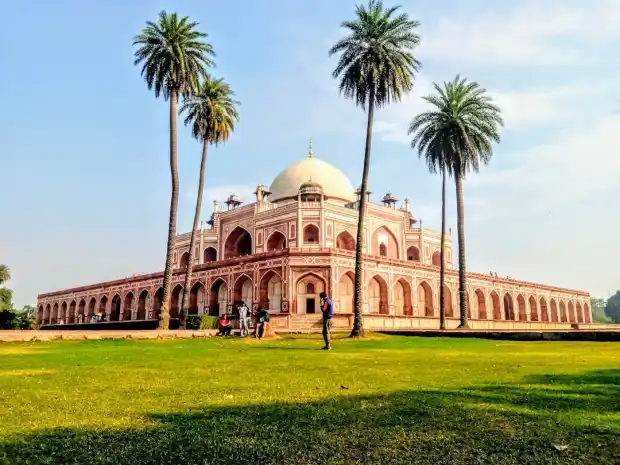
Three UNESCO World Heritage Sites sit within the city limits: the Qutub Minar complex, Humayun's Tomb and the Red Fort. Alongside them, Delhi is a working capital — the seat of government, a major business centre, and the country's principal international gateway.


Read more ›
16
Attractions
State: Delhi (National Capital Territory) Famous for: Red Fort Nearest transport: Indira Gandhi International Airport (DEL), approx. 16 km southwest of the centre, India's busiest airport with three terminals 📚 Read our full travel guide →
📑Jump to a section

About Delhi

Delhi is India's capital and one of the oldest continuously inhabited cities in the world. It spreads across roughly 1,500 square kilometres on the banks of the Yamuna in northern India, home to well over 30 million people in the wider National Capital Region.

The city is really several cities layered on top of each other. Successive rulers — Tomaras, the Delhi Sultanate, the Mughals, the British — each built their own capital here, and the remains of all of them survive. You can stand at the 12th-century Qutub Minar in the morning, walk through 17th-century Mughal Old Delhi at midday, and end the afternoon on the wide colonial avenues of Lutyens' New Delhi.

Three UNESCO World Heritage Sites sit within the city limits: the Qutub Minar complex, Humayun's Tomb and the Red Fort. Alongside them, Delhi is a working capital — the seat of government, a major business centre, and the country's principal international gateway.


Why Visit Delhi

Delhi is the most efficient way to understand India's history, because so much of it is stacked in one place.

Nowhere else can you trace nearly a thousand years of architecture on foot in a single day — Slave Dynasty, Sultanate, Mughal, colonial and modern, each with monuments still standing and largely intact. Three World Heritage Sites, dozens of major monuments, and some of the country's best museums.

It is also India's food capital in a way few dispute. Old Delhi's street food, Punjabi cooking, Mughlai kitchens that have run for generations, and the widest range of regional Indian cuisine anywhere in the country, since people from every state live here.

Practically, Delhi is the gateway to northern India. The Golden Triangle with Agra and Jaipur starts here, as do routes to Rajasthan, the Himalayas, Amritsar and Varanasi. Its metro is the best urban transport system in India, which makes a city this large genuinely navigable.


Highlights of Delhi

The must-see places that define Delhi - tap any to explore.

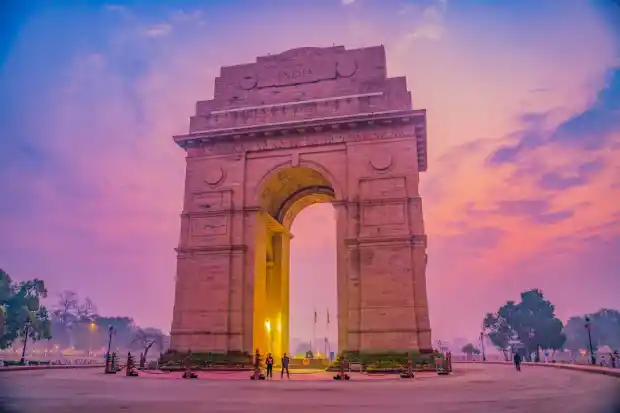
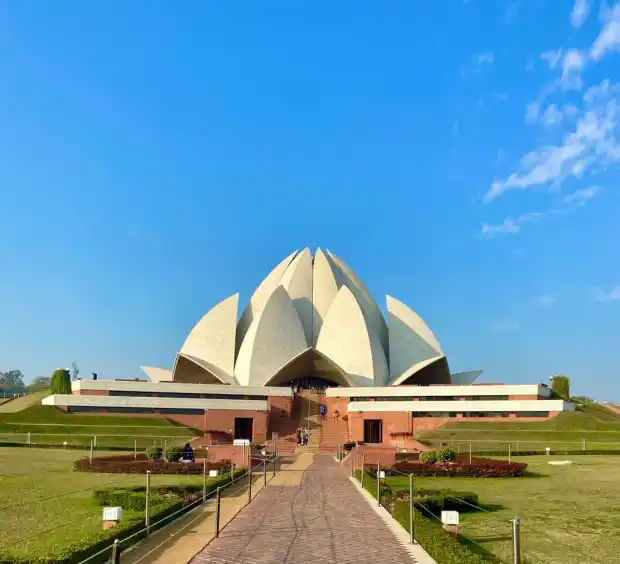
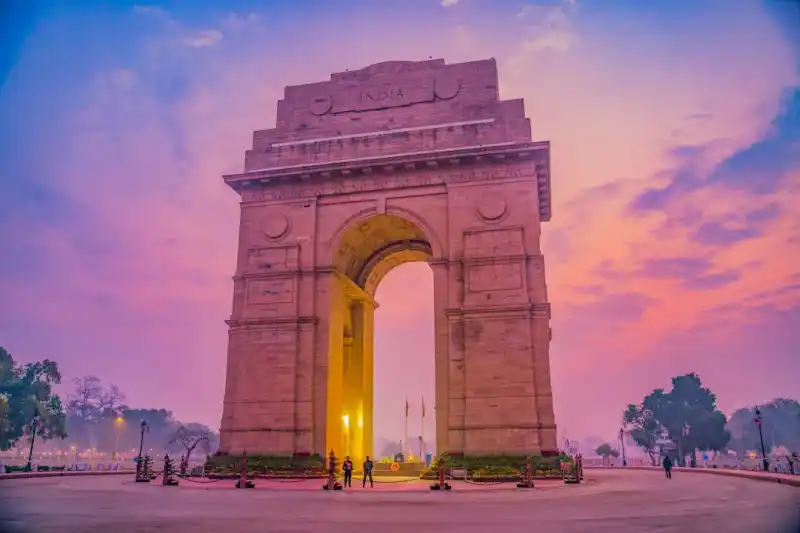
01 Red Fort 02 Qutub Minar 03 Humayun's Tomb 04 India Gate 05 Jama Masjid 06 Lotus Temple
See all places to visit in Delhi ›

Best Time to Visit

October to March is the best time to visit Delhi , with February and March arguably the sweet spot. October offers warm, dry, pleasant weather as the monsoon retreats, and coincides with Durga Puja, Dussehra and often…

Read the full guide ›

Map

See Delhi and its guest houses on the map.

📍 View Delhi on Google Maps

Good to know

Frequently Asked Questions

What is the best time to visit Delhi?
October to March is the best time, with February and March arguably ideal — mild temperatures, improving air quality and blooming gardens. October is pleasant and festive. November to January has the most comfortable temperatures but the worst air quality and fog disruption.
How many days do you need in Delhi?
Two days covers the main monuments — Red Fort, Jama Masjid, Qutub Minar, Humayun's Tomb and India Gate. Three to four days lets you add museums, markets and an Agra day trip, which is the better plan for a first visit.
Which airport serves Delhi?
Indira Gandhi International Airport (DEL), about 16 km southwest of the centre. It is India's busiest airport with three terminals — T3 for most international flights, T1 for domestic low-cost carriers, and T2 for additional domestic traffic.
How do I get from Delhi airport to the city?
The Airport Express Metro (Orange Line) is fastest and best value, reaching New Delhi Railway Station in around 20-25 minutes for roughly ₹50-60. It runs from about 5:20am to 11:30pm. App cabs and prepaid taxis take 45 minutes or more depending on traffic.
Is Delhi's air pollution really that bad?
Yes, and it should factor into your planning. Air quality is poor much of the year and frequently severe from late October to January, when crop burning, Diwali fireworks and winter temperature inversions combine. Check the AQI daily, carry N95 masks, and consider visiting February to April if you have a respiratory condition.
See all FAQs ›

The full story

Complete Delhi Travel Guide

History, geography, climate, how to reach, local transport, itinerary, budget tips and 50+ FAQs - everything you need to plan your trip.

Read the full guide →

📋 Quick Facts

StateDelhi (National Capital Territory)
Famous forRed Fort
Nearest transportIndira Gandhi International Airport (DEL), approx. 16 km southwest of the centre, India's busiest airport with three terminals
🏠

Own a property in Delhi?

We're adding verified guest houses here. List yours free — no commission, guests pay you directly.

List your property →