
Planning a Trip to Ayodhya
Planning a visit to Ayodhya requires an understanding of its unique flow as a sacred city. Navigating temple access corridors, managing security checks, and organizing day-to-day transit are essential for a smooth trip. This guide outlines everything you need to know for a seamless travel experience.
History of Ayodhya
Ayodhya's chronicle spans millennia, documented as the ancient capital of the Solar Dynasty (Suryavansha) in the Ramayana. Beyond epic literature, archaeological evidence indicates continuous habitation from the 5th century BCE under the Maurya and Gupta Empires, when it served as a major trade center known as Saketa. Over subsequent centuries, it absorbed Buddhist, Jain, and Islamic heritage—evidenced by 18th-century Nawabi architecture in nearby Faizabad—before its recent emergence as a modernized global pilgrimage center.
Ayodhya Climate
Ayodhya experiences a humid subtropical climate with three distinct seasons:
- Winter (Nov – Feb): Clear days with cool to cold conditions.
- Summer (March – June): Dry and hot.
- Monsoon (July – Oct): Moderate to heavy rainfall with high humidity , River water levels on the Saryu rise significantly during August.
Ayodhya Weather
October to March: Ideal weather for walking between temples and exploring ghats.
Festival Surges: Visiting during Deepotsav (Diwali) or Ram Navami (March/April) offers unmatched cultural experiences, but accommodation rates spike, and strict pedestrian diversions apply.
Best Time to Visit
October to March: Ideal weather for walking between temples and exploring ghats.
Read the full guide to the best time to visit Ayodhya →How to Reach Ayodhya
Connected directly via NH-27 . Frequent Volvo and AC sleeper buses run continuously from Lucknow (ISBT Alambagh - 3 hours), Varanasi (4.5 hours), and Prayagraj (4 hours).
Read the full Ayodhya transport guide →Getting Around Ayodhya
Motorized vehicles are heavily restricted along core temple corridors (Ram Path & Bhakti Path) to manage pedestrian flow.
- E-Rickshaws: The primary mode of internal transit. Standard fares range from ₹15 to ₹30 per shared route, or ₹150–₹250 for private hires.
- Cycle Rickshaws: Best for navigating tight alleys around Hanuman Garhi and Kanak Bhawan.
- App-Based Cabs & Taxis: Best suited for trips to outer attractions like Guptar Ghat, Maharishi Valmiki Airport, or the Cantt area.
Top Attractions on an Ayodhya Trip
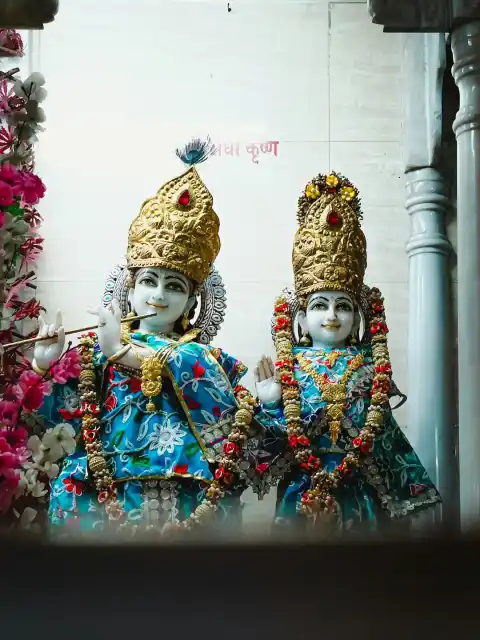
Shri Ram Janmabhoomi Mandir
Ayodhya's principal Ram temple, built at the site revered in Hindu tradition as the birthplace of Lord Ram and now the spiritual centre of the city's pilgrimage circuit.
Read more ›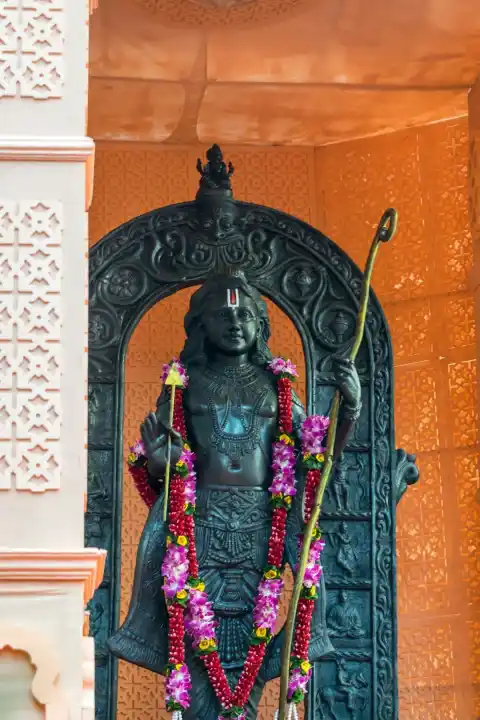
Hanuman Garhi
A revered hilltop Hanuman temple in central Ayodhya, known for its staircase approach, Bal Hanuman shrine and traditional role as guardian of the sacred city.
Read more ›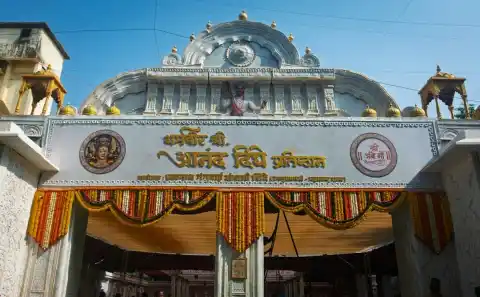
Kanak Bhawan
An ornate Ram-Sita temple in Ramkot, Kanak Bhawan is cherished for its graceful courtyard, richly adorned idols and palace-like devotional atmosphere.
Read more ›Dashrath Mahal
A colourful Ramayana-linked palace shrine in old Ayodhya, traditionally associated with King Dashrath and the royal household of Lord Ram.
Read more ›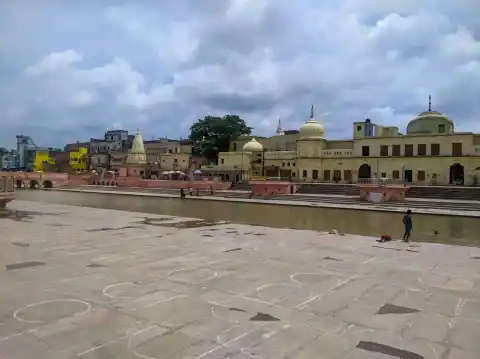
Ram ki Paidi
Ayodhya's iconic Sarayu riverfront, Ram ki Paidi is a long sequence of ghats celebrated for ritual bathing, evening lights and the spectacular Deepotsav atmosphere.
Read more ›Nageshwarnath Temple
A historic Shiva temple at Ram ki Paidi, Nageshwarnath is tied in local tradition to Kush, son of Lord Ram, and is especially vibrant during Mahashivratri.
Read more ›Treta ke Thakur
A rare Ram temple near the Sarayu, Treta ke Thakur is traditionally linked with Lord Ram's Ashwamedha Yagya and is especially notable for its very limited annual public opening.
Read more ›
Guptar Ghat
A quieter Sarayu-side ghat in the Faizabad-Ayodhya area, Guptar Ghat combines Ramayana tradition, river views, boating and a relaxed local evening atmosphere.
Read more ›Gulab Bari
The rose garden and mausoleum of Nawab Shuja-ud-Daula, Gulab Bari brings the Nawabi heritage of Awadh into an Ayodhya itinerary dominated by temples and ghats.
Read more ›
Bahu Begum ka Maqbara
A grand eighteenth-century mausoleum in historic Faizabad, Bahu Begum ka Maqbara is one of the finest reminders of the Nawabi heritage of Awadh.
Read more ›Shopping
Major markets include Chowk Ayodhya , Terhi Bazar , and shopfronts along Ram Path .
Read the Ayodhya shopping guide →Local Food
Ayodhya serves strictly pure vegetarian (often Sattvic , prepared without onion and garlic) cuisine across its temple districts.
Explore Ayodhya local food →Festivals in Ayodhya
Deepotsav (Diwali Eve): The city attempts world-record diyalighting along the Saryu Ghats (over 2 million earthen lamps), accompanied by drone shows and international Ramlila performances.
Ram Navami (March/April): Celebrates the birth of Lord Rama with massive holy baths in the Saryu, elaborate processions, and 24-hour temple chantings.
Sravan Jhula Mela (July/August): Idols of deities are carried in elaborate swings to Mani Parvat amidst devotional music.
Photography Spots
- Ram Ki Paidi: Outstanding reflections of lit temples in the water during golden hour and the evening light show.
- Guptar Ghat: Serene sunset vistas along clean, paved river steps with colonial-era stone architecture.
- Saryu River Boat Ride: Capture aerial-like views of the bustling ghats from traditional wooden boats on the water.
- Kanak Bhawan Courtyard: Beautiful view of traditional North Indian arched temple doorways and detailed tile work.
Note: Photography, mobile phones, and electronic items are strictly prohibited inside the primary Ram Janmabhoomi complex and Hanuman Garhi inner sanctum. Free, secure lockers are provided at entrance checkpoints.
Suggested Itinerary
Day 1: Core Temples & Grand Ghats Morning (06:00 AM – 11:30 AM): Early morning darshan at Hanuman Garhi (to beat queues), followed by entry through Janmabhoomi Path to Shri Ram Janmabhoomi Mandir . Afternoon (12:30 PM – 03:30 PM): Walk to Kanak Bhawan and Dashrath Mahal . Stop for a traditional North Indian thali at a local dhaba. Evening (05:30 PM – 08:30 PM): Walk down to Naya Ghat for the Saryu Evening Aarti. End the night watching the Light & Sound show at Ram Ki Paidi .…
See the Ayodhya itinerary hub →What to Pack for Ayodhya
Modest Attire: Clothing covering shoulders and knees is mandatory for temple entries.
Slip-off Footwear: You will be removing shoes frequently at temple premises; slip-on shoes or sandals with socks (for summer-heated stone floors) are recommended.
Portable Power Bank: Phone batteries drain quickly due to high network usage and location tracking in crowded zones.
Small Crossbody Bag: Convenient for carrying cash, socks, and water while passing security screening.
Hospitals in Ayodhya
Shri Ram Hospital: Located near Naya Ghat / Ram Path (Primary government facility close to the temple zone).
Rajarshi Dashrath Autonomous State Medical College: Located along the Ayodhya-Sultanpur highway (Fully equipped multi-specialty regional hospital).
District Hospital Faizabad: Main government civil hospital offering emergency and trauma care.
Ayodhya Emergency Numbers
Unified Emergency (Police, Fire, Ambulance): 112
Ambulance Service: 108 / 102
Tourist Helpline (UP Tourism): 1800-180-7027 / 1363
Women Helpline: 1090 / 181
Travel Tips
Locker Management: Leave smartwatches, Bluetooth earphones, power banks, and large bags at your hotel. Mobile phones are restricted inside Ram Janmabhoomi.
Read all Ayodhya travel tips →Ayodhya Trip Budget
How much does an Ayodhya trip cost?
Ayodhya is one of India's most affordable pilgrimage cities. Darshan at the Ram Mandir, Hanuman Garhi, Kanak Bhawan and the other temples is free, and so are the Saryu ghats. Most of your money goes on your stay, food and local transport. The figures below are approximate September 2026 planning ranges per person per day, not including travel to Ayodhya.
- Budget: about ₹800 – ₹1,500 per person per day. A dharamshala or simple guest house, vegetarian thalis and street food, and e-rickshaws between the temples.
- Mid-range: about ₹2,500 – ₹4,000 per person per day. An AC hotel room shared by two, sit-down restaurant meals, and autos or a short taxi ride for places like Guptar Ghat.
- Comfort: about ₹5,000 – ₹8,000 or more per person per day. A premium hotel near the temple area, hotel dining and a private car for the day.
Where your money goes
- Stay: Dharamshalas and trust guest houses cost roughly ₹200 – ₹800 per room per night, with basic facilities. Budget AC guest houses are around ₹1,000 – ₹1,500, mid-range hotels about ₹2,500 – ₹4,000, and premium hotels from about ₹6,000. Rooms within walking distance of the Ram Mandir cost more but save time and energy, especially for early darshan and elderly family members.
- Food: Food around the temples is vegetarian. Street food and prasad thalis cost roughly ₹100 – ₹250 per meal, and a local restaurant around ₹700 per person per day. Laddoo prasad from Hanuman Garhi and other offerings are small extra costs.
- Local transport: E-rickshaws are the cheapest way to get around the old town, usually ₹15 – ₹50 for a short ride. An auto from the railway station to Hanuman Garhi costs about ₹30 – ₹50. A prepaid taxi from Maharishi Valmiki International Airport to the temple area is roughly ₹300 – ₹600. For Guptar Ghat, Gulab Bari and Bahu Begum ka Maqbara in Faizabad, budget for an auto or taxi. Always agree the fare before you start.
- Darshan and temples: General darshan is free everywhere. At the Ram Mandir, lockers for phones and bags are free. Book any timed darshan or aarti pass only on the official trust website, srjbtkshetra.org, and never pay anyone outside offering "VIP entry".
- Extras: A doli (palanquin) up the 76 steps of Hanuman Garhi costs about ₹100 – ₹300 per person. Boat rides on the Saryu, a local guide and souvenirs such as diyas, malas and small idols are optional; agree prices first.
What makes Ayodhya more expensive
- Festivals: Room prices rise sharply and hotels sell out during Deepotsav on the eve of Diwali, Ram Navami and other big festival days. Book months ahead for these dates, or come a few days before or after.
- Weekends and holidays: Crowds and hotel rates are higher than on weekdays.
- Staying right next to the temple: Convenient, but you pay for location. A good guest house a short e-rickshaw ride away is often better value.
Money-saving tips
- Visit on a weekday between October and March for comfortable weather and normal prices.
- Walk between Hanuman Garhi, Kanak Bhawan, Dashrath Mahal and the Ram Mandir; they are all within about a kilometre of each other.
- Carry some cash for e-rickshaws, prasad and small shops, although UPI is widely accepted.
- Compare offers before you book: send one request and let local owners send you their best price.
These are indicative planning estimates, not fixed prices. Season, festivals, location and how early you book can change the total significantly.
Planning to stay in Ayodhya?
We are adding local stays in Ayodhya. Share your dates and we will contact you when suitable options are available.
Free · No payment · No obligation
Good to know