At a Glance: Essential Visitor Information
≈ Straight-line distance from this place. The road route is usually longer.
Why Visit Shri Ram Janmabhoomi Mandir?
-
Spiritual heart of Ayodhya
The city's most important contemporary pilgrimage landmark.
-
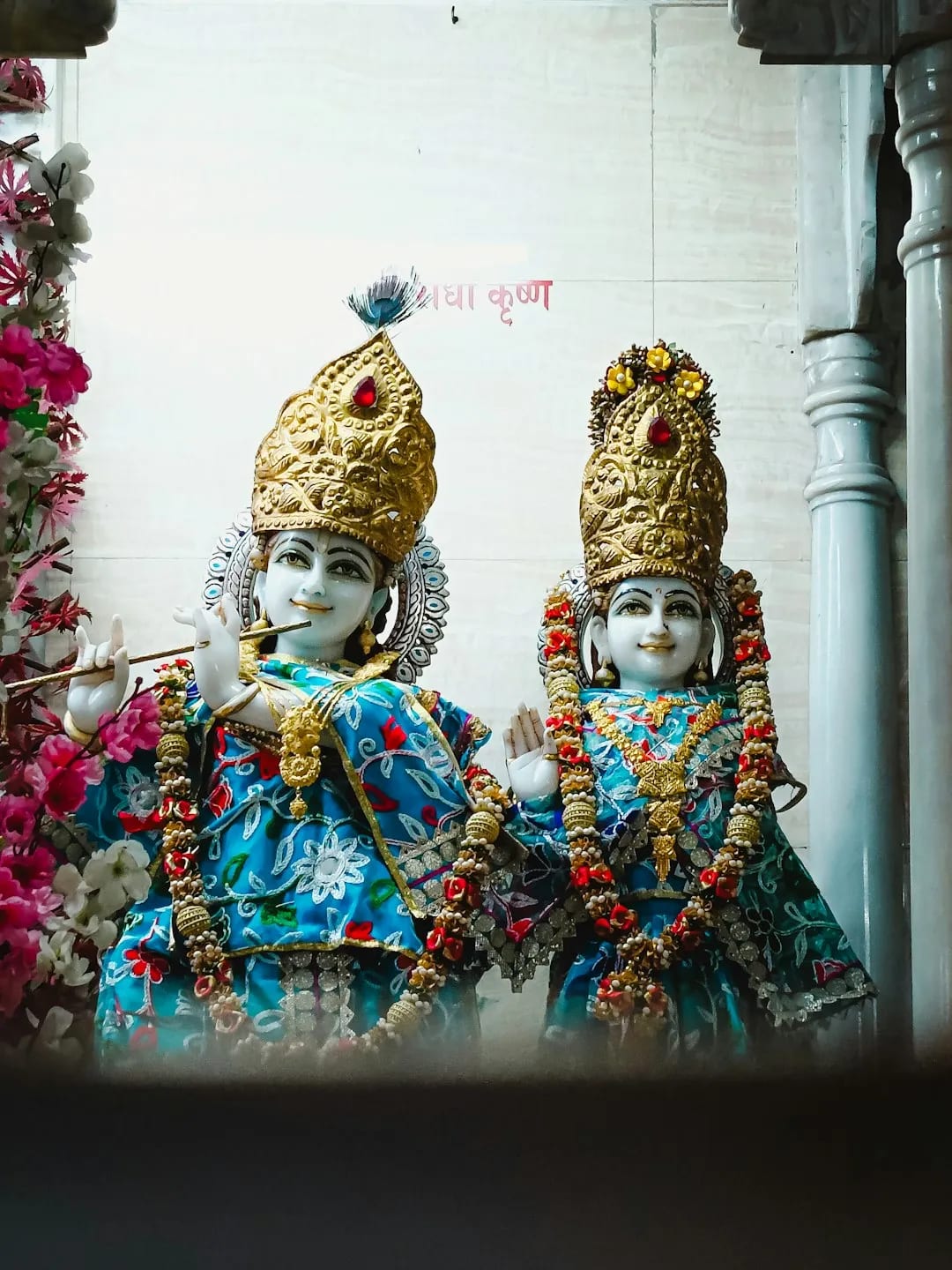
Ram Lalla darshan
The central devotional experience for most visitors.
-
Nagara-style temple architecture
Observe the grand stone temple and detailed sculptural work.
-
Ramayana circuit
Combine the visit with Hanuman Garhi, Kanak Bhawan and Dashrath Mahal.
-
Festival atmosphere
Ram Navami, Deepotsav and major Hindu festivals transform the surrounding city.
About Shri Ram Janmabhoomi Mandir
Shri Ram Janmabhoomi Mandir is the central pilgrimage landmark of modern Ayodhya. The temple stands at the site revered by Hindu devotees as the birthplace of Lord Ram and draws visitors from across India throughout the year.
A visit here is best understood as part of Ayodhya's larger sacred landscape, connecting naturally with Hanuman Garhi, Kanak Bhawan, Dashrath Mahal and the Sarayu ghats.
Things to Do at Shri Ram Janmabhoomi Mandir
Practical experiences you can include while visiting this attraction.
- 1 Attend darshan of Ram Lalla
- 2 Observe the temple's Nagara-style architecture
- 3 Walk through the Ramkot pilgrimage area
- 4 Combine the visit with Hanuman Garhi and Dashrath Mahal
- 5 Continue to Kanak Bhawan and Ram Ki Paidi
- 6 Experience Ram Navami or Deepotsav if visiting during the festival period
Plan Your Visit
Facilities
Visitor Tips & Restrictions
Visitor Tips
- Carry only essential belongings because security screening is strict
- Keep a valid photo ID if required under current visitor rules
- Start early to reduce queue time
- Wear comfortable footwear for the approach walk
- Follow the latest official guidance for permitted items and darshan arrangements
- Keep the rest of the central Ayodhya circuit for the same day to reduce repeated travel
- Try local Ayodhya snacks such as kachori-sabzi, peda or lassi after completing the temple circuit
Restrictions
- Follow all security instructions and designated entry and exit routes
- Do not carry prohibited items into the security zone
- Photography and mobile-phone rules may vary by controlled area; follow on-site instructions
- Do not block queues or ritual spaces
How to Reach Shri Ram Janmabhoomi Mandir
History & Significance of Shri Ram Janmabhoomi Mandir
The site is revered in Hindu tradition as the birthplace of Lord Ram. The present temple represents a major new chapter in Ayodhya's long religious history and has become the focal point of the city's contemporary pilgrimage landscape.
The temple is built in the Nagara architectural tradition and is conceived as a monumental stone complex centred on the worship of Ram Lalla. For travellers, its significance is primarily devotional and cultural rather than simply architectural.
Festivals & Special Events
- Ram Navami: Ayodhya's major celebration of Lord Ram's birth, with special worship and large pilgrim crowds.
- Deepotsav/Diwali period: The city is illuminated on a massive scale, especially around the Sarayu and Ram Ki Paidi.
- Other major Hindu festivals and auspicious dates can substantially increase visitor numbers.
Frequently Asked Questions about Shri Ram Janmabhoomi Mandir
Why is Shri Ram Janmabhoomi Mandir important?
It stands at the site revered in Hindu tradition as the birthplace of Lord Ram and is the central pilgrimage landmark of Ayodhya.
How much time should I keep?
Keep at least 2 to 4 hours including approach, security and darshan; peak days can take much longer.
What should I combine with the temple?
Hanuman Garhi, Dashrath Mahal and Kanak Bhawan form the most convenient nearby circuit.
When is it most crowded?
Weekends, public holidays, Ram Navami, Deepotsav and other major festival periods bring the highest crowds.
Which railway station is closest for most visitors?
Ayodhya Dham Junction is the principal railhead for the pilgrimage zone.
Photos of Shri Ram Janmabhoomi Mandir
Find it on the Map
Nearby Attractions to Combine with Your Visit
More places in Ayodhya to see on the same trip, nearest first.
 ≈ 600 m
 ≈ 750 m
 ≈ 1.9 km
 ≈ 5.9 km
≈ Straight-line distance from Shri Ram Janmabhoomi Mandir. The road route is usually longer.
See all places to visit in Ayodhya →