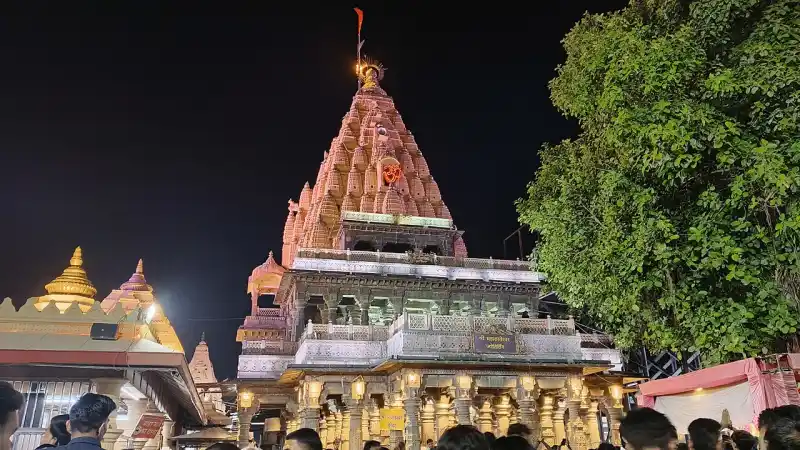
Planning a Trip to Ujjain
This Ujjain travel guide covers everything you need to plan a trip: when to go, how to get there, booking the Mahakaleshwar Bhasma Aarti, a day-wise itinerary, Malwa food, a realistic trip budget and practical tips for festival crowds.
Ujjain is a compact pilgrimage city. Mahakaleshwar, Mahakal Lok, Harsiddhi and Ram Ghat are within walking distance of each other, while Kal Bhairav, Mangalnath, Sandipani Ashram and Chintaman Ganesh are short auto rides away. Two days is enough for the main sights; add a third for Omkareshwar.
History of Ujjain
Ujjain is one of the oldest continuously inhabited cities in India. As Ujjayini it was the capital of Avanti, one of the great kingdoms (mahajanapadas) of the Buddha's time, and it sat on the trade route linking northern India with the Deccan and the western ports.
Under the Mauryas, the young Ashoka served as viceroy in Ujjain. The city is tied to the legendary King Vikramaditya, whose name is carried by the Vikram Samvat calendar, and to the poet Kalidasa, whose Meghaduta describes Ujjayini and the shrine of Mahakala. Indian astronomers, including Brahmagupta, worked here, and classical texts such as the Surya Siddhanta measured longitude from Ujjain's meridian.
The Paramara kings of Malwa ruled the region in the 10th and 11th centuries. In 1234–35 the Delhi Sultan Iltutmish raided Ujjain and destroyed the Mahakaleshwar temple. The city later passed to the sultans of Malwa (who built Kaliadeh Palace in 1458) and to the Mughals.
In the 18th century Ujjain came under the Marathas. Around 1734, under Ranoji Shinde, the present Mahakaleshwar temple was rebuilt, and Ujjain served as the Scindia capital until they moved to Gwalior in the early 19th century. In 1725–30 Sawai Jai Singh II built the Vedh Shala observatory. The Shri Mahakal Lok corridor, opened in October 2022, is the latest chapter, and the city is now preparing for the Simhastha of 2028.
Ujjain Climate
Ujjain has a tropical climate with three clear seasons. Summers (April to mid-June) are hot and dry, with afternoon temperatures often above 40°C. The south-west monsoon arrives in late June and brings most of the year's rain until September. Winters (November to February) are dry and pleasant, with warm days and cool nights that can drop below 10°C in December and January.
Ujjain Weather
October to March: the most comfortable months, sunny and dry; carry a light jacket for early mornings, especially if you are attending the Bhasma Aarti.
April to June: very hot; plan temple visits for early morning and evening, and rest in the afternoon.
July to September: humid with heavy showers; the Shipra rises and ghat access can be restricted after heavy rain. Shravan Mondays bring very large crowds.
Best Time to Visit
The best time to visit Ujjain is October to March, when days are pleasant and the early-morning Bhasma Aarti and ghat visits are comfortable. Mahashivratri (February or March) and the Shravan month (July–August) are the most spiritually significant times, but expect very large crowds and book stays well ahead.
Read the full guide to the best time to visit Ujjain →How to Reach Ujjain
By air: the nearest airport is Devi Ahilyabai Holkar Airport, Indore, about 53 km away, with direct flights from Delhi, Mumbai, Bengaluru, Hyderabad and other cities. A taxi to Ujjain takes around 1 to 1.5 hours.
Read the full Ujjain transport guide →Getting Around Ujjain
Autos and e-rickshaws are the easiest way to get around and can be hired for a half-day or full-day temple circuit. Agree the fare or route before setting off. The lanes around Mahakaleshwar, Harsiddhi and Ram Ghat are best explored on foot, and vehicles are often stopped some distance from the temple on busy days.
Kal Bhairav, Mangalnath, Sandipani Ashram, Chintaman Ganesh and Kaliadeh Palace are spread out, so a hired auto or taxi saves time. Taxis are also the practical choice for day trips to Omkareshwar or Indore.
Top Attractions on an Ujjain Trip
Shri Mahakaleshwar Temple
One of the twelve Jyotirlingas and Ujjain's spiritual heart, famous for its south-facing linga and the pre-dawn Bhasma Aarti.
Read more ›Shri Mahakal Lok
A 900-metre corridor of carved sandstone pillars, murals and statues of Shiva leading to Mahakaleshwar, spectacular when lit at night.
Read more ›Harsiddhi Mata Temple
One of the Shakti Peethas, near Mahakaleshwar, known for its two towering lamp pillars lit with hundreds of oil lamps.
Read more ›Ram Ghat Ujjain
Ujjain's oldest and most important bathing ghat on the Shipra, the main ghat of the Simhastha Kumbh and home to the evening aarti.
Read more ›Kal Bhairav Temple Ujjain
Ancient temple of Kal Bhairav, guardian of Ujjain, famous for the tradition of offering liquor to the deity.
Read more ›Mangalnath Temple
Riverside Shiva temple regarded as the birthplace of the planet Mars, visited for Mangal dosh puja and views of the Shipra.
Read more ›Sandipani Ashram
The ashram where Lord Krishna, Balram and Sudama studied under Guru Sandipani, with the Gomti Kund and the Ankpat area.
Read more ›Vedh Shala (Jantar Mantar) Ujjain
18th-century astronomical observatory built by Sawai Jai Singh II, with large stone instruments that still track the sun's shadow.
Read more ›Gadkalika Temple
Ancient Kali temple linked to the poet Kalidasa, who is believed to have received the Goddess's grace here.
Read more ›Bhartrihari Caves
Caves above the Shipra where the poet-king Bhartrihari is believed to have meditated after renouncing his throne.
Read more ›Chintaman Ganesh Temple
One of Ujjain's oldest and largest Ganesh temples, home to three forms of Ganesh believed to remove worries.
Read more ›Kaliadeh Palace
15th-century island palace on the Shipra built by the sultans of Malwa, with Persian-style domes and water channels.
Read more ›Shopping
Ujjain's best-known craft is Bherugarh batik, a wax-resist textile printed in the village of Bherugarh on the Shipra and awarded a GI tag in 2023. Look for batik bedsheets, dupattas, sarees and dress material, ideally from the workshops themselves.
Read the Ujjain shopping guide →Local Food
Ujjain eats the food of Malwa. Breakfast is poha with jalebi, topped with sev and a sprinkle of jeeravan masala, along with kachori and samosa. The signature meal is dal bafla, wheat dumplings boiled, then roasted and soaked in ghee, served with dal, kadhi and laddu.
Explore Ujjain local food →Festivals in Ujjain
Mahashivratri (February or March): the biggest festival at Mahakaleshwar, with extended darshan and huge crowds.
Shravan and Bhadrapad Mondays (July to September): the Mahakal Sawari, a procession of the deity through the old city to the Shipra.
Navratri: the Harsiddhi temple's lamp towers are lit and the Goddess shrines draw large crowds.
Kartik Purnima: holy dips in the Shipra and the Kartik fair.
Simhastha Kumbh: held every twelve years; the next is scheduled for 27 March to 27 May 2028, with royal bathing days at Ram Ghat and other ghats.
Photography Spots
Shri Mahakal Lok at dusk, when the carved pillars and statues are lit; the evening aarti at Ram Ghat; the Harsiddhi lamp towers on festival nights; the shadow-casting instruments of the Vedh Shala; the Shipra from Mangalnath; Kaliadeh Palace's water channels; and the colourful batik fabric drying in Bherugarh's lanes.
Photography is not permitted inside temple sanctums, and phone rules at Mahakaleshwar are strict, so check what is allowed before you go.
Suggested Itinerary
Two days covers Ujjain's main sights: day one around Mahakaleshwar and the Shipra ghats, day two on the outer temple circuit, with an optional third day for Omkareshwar.
See the Ujjain itinerary hub →What to Pack for Ujjain
Modest, comfortable clothing; traditional wear if you plan to attend the Bhasma Aarti (men usually a dhoti, women a saree) and footwear that slips off easily for temple visits. A light jacket from November to February, sun protection and a refillable water bottle from April to June, and an umbrella during the monsoon.
Carry a valid photo ID for darshan bookings, a printed or downloaded booking confirmation, some cash for small offerings and autos, and keep valuables to a minimum since phones and bags may have to be deposited at temples.
Hospitals in Ujjain
Government and private hospitals in Ujjain include the District Hospital and the R.D. Gardi Medical College with its associated C.R. Gardi Hospital, along with several private multi-speciality hospitals in the Freeganj and Madhav Nagar areas. Pharmacies are easy to find around the temple quarter and the railway station.
For major emergencies or specialised treatment, Indore (53 km) has the region's largest hospitals. Medical camps and first-aid posts are set up at the temples and ghats during big festivals.
Ujjain Emergency Numbers
- 112: national emergency number (police, fire, ambulance)
- 108: ambulance
- 101: fire
- 1091 / 181: women's helplines
- 1098: child helpline
- 139: railway enquiry and assistance
- 1800-11-1363 / 1363: India tourist helpline
Travel Tips
Book the Mahakaleshwar Bhasma Aarti only through the temple's official website, as early as booking opens; slots sell out quickly and unofficial agents are a common scam.
Read all Ujjain travel tips →Ujjain Trip Budget
Ujjain is an affordable destination outside peak festival days. Approximate costs per person per day (2026):
- Budget: ₹1,200–2,000 with a dharamshala or basic guest house room, local food and shared autos.
- Mid-range: ₹2,500–5,000 with a comfortable hotel near Mahakal or Freeganj, restaurant meals and a hired auto for the temple circuit.
- Comfort: ₹6,000 and above with a premium hotel and a private car.
Typical extras: a full-day auto for the temple circuit costs roughly ₹600–1,200, a taxi from Indore airport roughly ₹1,200–1,800, and a dal bafla thali ₹150–300. Room rates rise sharply during Shravan, Mahashivratri, long weekends and the Simhastha.
Planning to stay in Ujjain?
We are adding local stays in Ujjain. Share your dates and we will contact you when suitable options are available.
Free · No payment · No obligation
Good to know