Planning a Trip to Bangalore
Bangalore, officially Bengaluru, is a high-altitude southern metropolis where technology campuses and fast-growing suburbs sit beside public gardens, old markets, traditional neighbourhoods and institutions dating from the colonial and princely eras. Visitors know it as India's technology capital, but its more memorable travel experiences often come from smaller details: an early walk in Cubbon Park, a crisp dosa and filter coffee, a bookshop on Church Street, flowers at KR Market or an evening in Indiranagar.
The principal city sights include Lalbagh Botanical Garden, Cubbon Park, Vidhana Soudha, Bengaluru Palace, the Government Museum area, Tipu Sultan's Summer Palace and Bengaluru Fort. Families may add Bannerghatta Biological Park, while repeat visitors can explore Malleshwaram, Basavanagudi, Jayanagar and the city's contemporary art, theatre and food scene.
Distance is deceptive in Bengaluru because congestion can turn a short map route into a long journey. Stay near the main purpose of the trip and group each day by area. Two days suit a compact city break; three days allow a more balanced introduction without rushing between distant neighbourhoods.
History of Bangalore
The Bengaluru region has a much longer history than the modern city. An inscription associated with Begur records an early form of the name, while successive South Indian dynasties governed the wider area. The city's commonly told urban story centres on Kempe Gowda I, a Vijayanagara-era local ruler who established a fortified town and market settlement in the sixteenth century.
Kingdoms, fort and cantonment
The settlement passed through the hands of the Bijapur Sultanate, the Mughals and the Wadiyars of Mysore. Hyder Ali and Tipu Sultan strengthened Bengaluru's military and horticultural importance; Lalbagh's origins are associated with this period. After the Fourth Anglo-Mysore War, the British returned the town and fort to the Wadiyars but later established a large cantonment east of the old pete. The two centres developed distinct administrative, commercial and cultural characters.
Modern Bengaluru
Bengaluru became the capital of Mysore State after Indian independence and remained capital when the state was renamed Karnataka. Public-sector science, aerospace and engineering organisations helped build its industrial base. From the late twentieth century, software services, research, start-ups and global technology investment drove rapid expansion toward Whitefield, Electronic City, the Outer Ring Road and northern Bengaluru.
Bangalore Climate
Bengaluru has a tropical savanna climate moderated by elevation. Days are often warm, nights are milder, and rain arrives in more than one seasonal spell. April is commonly among the hottest months, while December and January bring the coolest mornings and evenings.
- Dry, mild season: October to February, usually the easiest period for long outdoor visits.
- Warmer season: March to May, with strong afternoon sun and occasional pre-monsoon thunderstorms.
- Rainy months: June to September, with further rain possible during October and November.
Local rainfall can be intense even when another part of the city is dry. Check the latest forecast and traffic alerts rather than relying only on a seasonal average.
Bangalore Weather
October to February
These months usually bring pleasant daytime conditions and cooler evenings. They suit park walks, neighbourhood exploration and day trips. A light layer is useful early in the morning or after rain.
March to May
Afternoons can be hot and exposed roads feel warmer than the headline temperature. Start outdoor sightseeing early, use sunscreen and carry water. Pre-monsoon thunderstorms can arrive quickly later in the day.
June to September
Cloud cover often keeps temperatures moderate, but showers may be heavy and traffic can slow sharply. Carry compact rain protection, protect electronics and leave extra time for airport, station and meeting transfers.
Best Time to Visit
October to February is the best overall time to visit Bangalore for gardens, heritage walks, markets and outdoor dining. November through January is particularly comfortable, although popular weekends and year-end dates may cost more.
Read the full guide to the best time to visit Bangalore →How to Reach Bangalore
Kempegowda International Airport (BLR) is at Devanahalli, north of central Bengaluru. It serves domestic and international routes. Airport buses, airport-authorised taxis, app-based cabs and private transfers connect the terminals with different city corridors. Because the airport is far from southern and eastern neighbourhoods, allow a generous road buffer and confirm whether the flight uses Terminal 1 or Terminal 2.
Read the full Bangalore transport guide →Getting Around Bangalore
Bengaluru is easiest to navigate by combining Namma Metro with BMTC buses, autos, cabs and short walks. No single mode covers every technology park, attraction and residential district.
- Namma Metro: useful wherever an operational line matches the trip, particularly for central Bengaluru and major east–west or north–south corridors. Consult BMRCL's current map, timetable and interchange information because the network is expanding.
- BMTC buses: provide the broadest public-transport coverage, including airport services. Route numbers and boarding bays can be difficult for first-time visitors, so verify them in a live journey planner or at the stop.
- Suburban and local trains: useful on selected rail corridors, especially for some eastern and northern journeys, but frequency and stopping patterns vary.
- Autos and app-based cabs: convenient for the last mile and areas away from metro stations. Use the meter or a confirmed app fare, verify the vehicle and avoid unofficial airport solicitations.
Peak weekday traffic is usually heaviest around office corridors. Group central sights together, keep south Bengaluru on another day, and avoid scheduling Whitefield and Electronic City in one sightseeing day.
Top Attractions on a Bangalore Trip
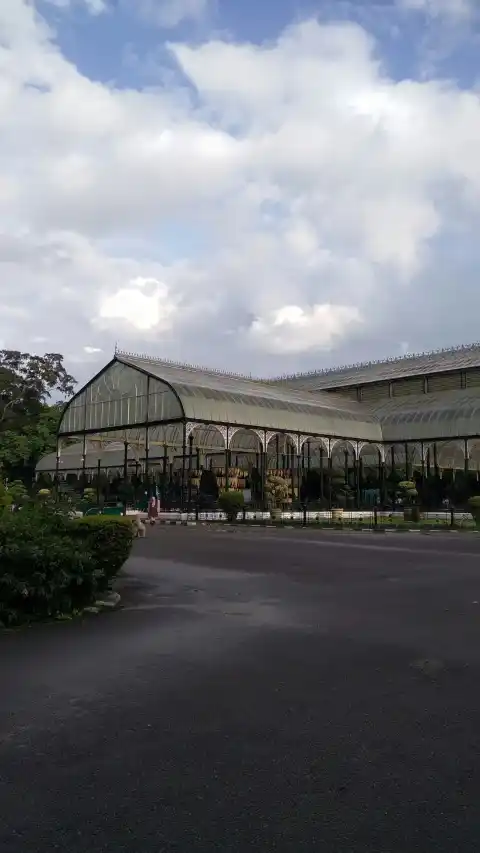
Lalbagh Botanical Garden
Bengaluru's historic 240-acre botanical garden, Lalbagh blends rare plant collections, the iconic Glass House, a geological rock outcrop and the city's classic Garden City character.
Read more ›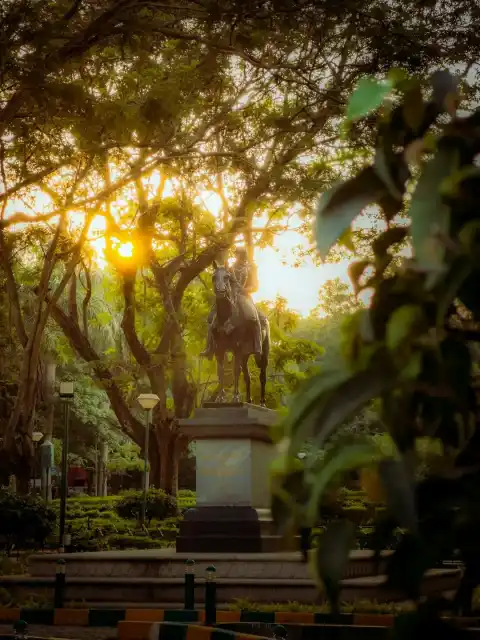
Cubbon Park
The green heart of central Bengaluru, Cubbon Park is a historic urban forest of broad avenues, mature trees, heritage buildings and everyday city life.
Read more ›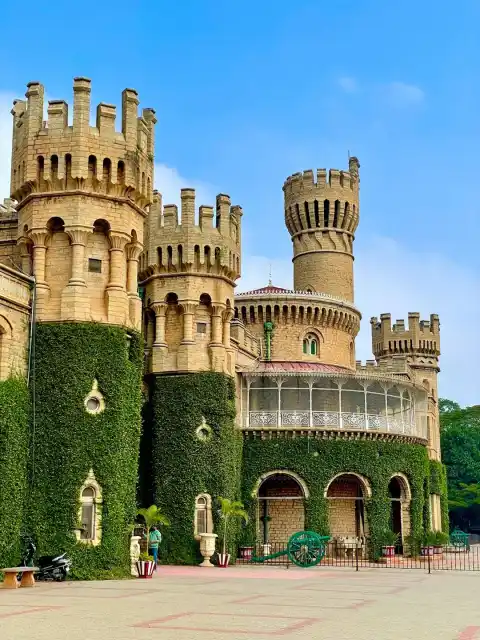
Bangalore Palace
A Tudor-inspired royal landmark in Vasanth Nagar, Bangalore Palace offers a glimpse into the Wadiyar-era lifestyle through turrets, woodwork, portraits and ceremonial interiors.
Read more ›
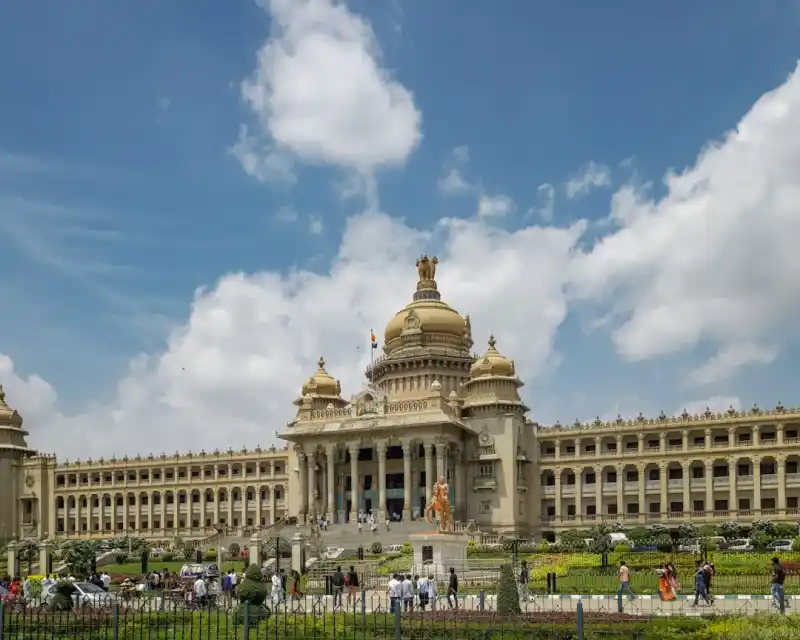
Vidhana Soudha
Bengaluru's monumental neo-Dravidian civic landmark, Vidhana Soudha is the seat of Karnataka's legislature and one of the city's defining architectural symbols.
Read more ›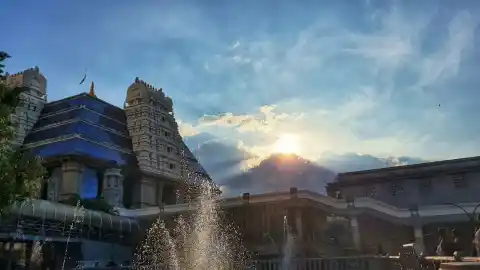
ISKCON Temple Bangalore
A major Radha-Krishna temple on Hare Krishna Hill in Rajajinagar, ISKCON Bengaluru combines devotional worship, modern temple architecture, prasadam and panoramic city views.
Read more ›Tipu Sultan's Summer Palace
A beautifully preserved wooden palace in Old Bengaluru, Tipu Sultan's Summer Palace reveals the city's eighteenth-century Mysore-era history through fluted pillars, arches and teak construction.
Read more ›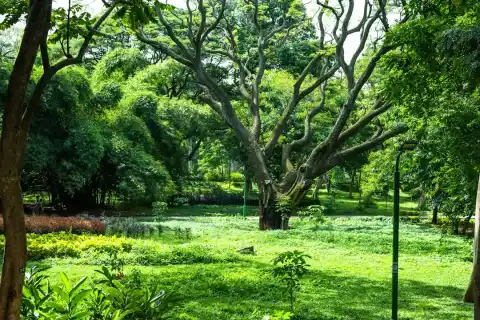
Bannerghatta National Park
Bengaluru's major wildlife day trip, Bannerghatta combines a biological park, zoo, safari and butterfly attractions at the urban edge of the city's southern forest landscape.
Read more ›Nandi Hills
Bengaluru's classic sunrise escape, Nandi Hills combines cool hilltop weather, dramatic viewpoints, fort remains, temples and a much-loved weekend road trip.
Read more ›Shopping
Bengaluru offers traditional markets, long-standing shopping streets, craft stores and modern malls. Commercial Street is known for clothing, footwear and accessories; Chickpet for textiles and sarees; and KR Market for flowers, produce and wholesale-market atmosphere. MG Road and Brigade Road combine established retail with easy access to the central district.
Read the Bangalore shopping guide →Local Food
Bengaluru's food reflects Karnataka traditions, long-established local bakeries, military hotels, Udupi-style vegetarian restaurants and a contemporary dining scene shaped by migration from across India and abroad.
Explore Bangalore local food →Festivals in Bangalore
Bengaluru's calendar combines Karnataka state celebrations, religious festivals, flower shows and a busy contemporary arts and events programme. Dates and routes change each year.
- Karaga: a historic Bengaluru festival associated with the Dharmaraya Swamy Temple and a night procession through the old city.
- Kannada Rajyotsava: Karnataka Formation Day on 1 November, marked by flags, cultural programmes and public celebrations.
- Dasara and Deepavali: widely celebrated, with decorated temples, shopping and family events.
- Ugadi: the Kannada New Year, observed with seasonal food, worship and cultural programmes.
- Lalbagh flower shows: traditionally linked with Republic Day and Independence Day periods; confirm current dates, tickets and crowd arrangements.
- Eid, Christmas and other community festivals: visible across the city's diverse neighbourhoods and places of worship.
During major processions or shows, expect crowd controls and road diversions. Observe respectfully, ask before photographing individuals and follow police or organiser instructions.
Photography Spots
- Lalbagh: the Glass House, lake, old trees and garden avenues in soft morning light.
- Cubbon Park: tree-lined paths, red heritage buildings and everyday city life early in the day.
- Vidhana Soudha: exterior architecture from lawful public viewpoints; security restrictions apply.
- Bengaluru Palace: turrets and interiors, subject to the property's current ticket and camera policy.
- KR Market: flowers, colour and market activity; go early, protect equipment and ask people before portraits.
- Ulsoor Lake: water, trees and city atmosphere around morning or evening.
- Nandi Hills: landscape views outside the city; access, parking and sunrise arrangements should be checked before departure.
Tripods, professional shoots and photography inside museums, palaces, metro premises or religious sites may require permission. Drone flights are regulated and may be prohibited near airports, defence areas and other sensitive zones; verify current rules before flying.
Suggested Itinerary
Start early in Lalbagh, then visit Tipu Sultan's Summer Palace and the Bengaluru Fort area if open. Continue to Cubbon Park, the Government Museum precinct or Visvesvaraya Industrial and Technological Museum. View Vidhana Soudha from the permitted public area and finish around Church Street or MG Road.
See the Bangalore itinerary hub →What to Pack for Bangalore
- Light, breathable layers for the day and a light jacket or shawl for cool evenings and air-conditioned spaces.
- Comfortable walking shoes for parks, markets, metro interchanges and uneven pavements.
- A compact umbrella or light rain jacket in any season, especially from May through November.
- Sunscreen, sunglasses, a reusable water bottle and a small day bag.
- Modest clothing for temples and other active religious sites.
- Photo ID, digital and backup payment methods, essential medicines and prescription copies.
- A power bank for long road journeys; India generally uses 230V, 50Hz electricity and plug types C, D and M.
Keep electronics rain-protected and luggage manageable if using autos, buses or metro stairs and interchanges.
Hospitals in Bangalore
Bengaluru is a major healthcare centre with government teaching hospitals and private multi-speciality networks. Large public institutions include Victoria Hospital, Bowring and Lady Curzon Hospital, KC General Hospital and Jayadeva Institute of Cardiovascular Sciences and Research. Private emergency and specialist care is available through hospitals such as Manipal, Apollo, Fortis, Aster and Narayana at different city locations.
In an emergency, use the nearest suitable facility instead of attempting a long cross-city journey. Call ahead for planned appointments because departments, doctors and availability change. Carry identification, insurance information, prescriptions and a current medicine list; international visitors should confirm insurer network and pre-authorisation requirements.
This guide is for travel planning, not medical advice. For urgent help use India's unified emergency number 112 or a locally advertised ambulance service.
Bangalore Emergency Numbers
- 112: unified emergency response in India.
- 100: police control room.
- 101: fire and rescue.
- 102: ambulance helpline.
- 108: accident and emergency response service.
- 1091: women helpline.
- 1098: child helpline.
Numbers were reviewed against government service information in September 2026. Availability can change; use 112 when unsure and clearly share your neighbourhood, landmark and live location.
Travel Tips
Stay near the purpose: Whitefield, Electronic City, the Outer Ring Road and the centre are separate travel zones in peak traffic. Use the metro strategically: it can make a corridor predictable, but confirm the operational route and solve the last mile before leaving. Keep rain time: a strong shower can slow roads quickly even when it lasts less than an hour. Check weekly closures: museums, palaces, gardens and biological parks have different last-entry and holiday rules. Use…
Read all Bangalore travel tips →Bangalore Trip Budget
These are indicative September 2026 planning ranges per person per day in Indian rupees, excluding travel to Bengaluru and major shopping. Accommodation location, conferences, concerts, weekends and cab use can move the total substantially.
- Budget trip: ₹2,000–₹3,800. Hostel or basic shared room, buses and metro, local restaurants and mostly free or low-cost attractions.
- Mid-range trip: ₹5,000–₹9,000. Comfortable double room shared by two, a mix of metro and cabs, restaurant meals and paid attractions.
- Comfort-focused trip: ₹10,000+. Premium hotel, frequent cabs, airport transfer, upscale dining and ticketed experiences.
Where the money goes
Accommodation and road transport are the main variables. A slightly higher room rate close to the office or sightseeing zone can cost less overall than repeated cabs across Bengaluru. Breakfast and traditional meals can offer good value; breweries, premium restaurants and nightlife increase the daily spend. Verify current attraction fees through official sites or counters.
Planning to stay in Bangalore?
We are adding local stays in Bangalore. Share your dates and we will contact you when suitable options are available.
Free · No payment · No obligation
Good to know