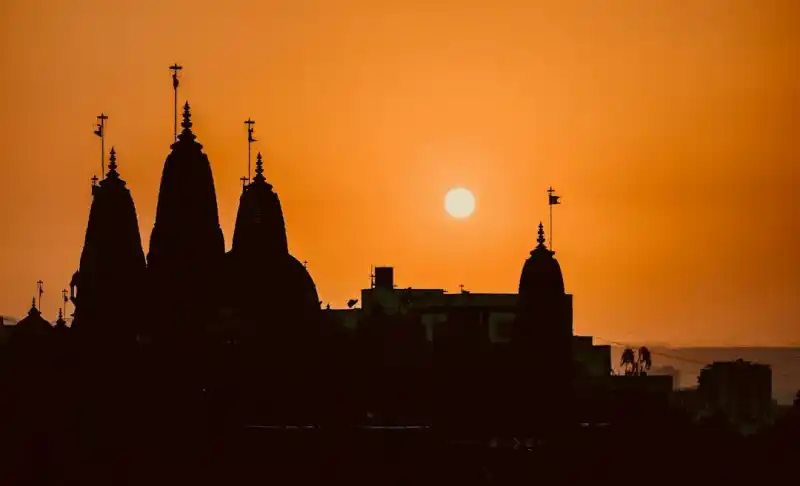
About Pune
Pune blends Maratha history, universities, military institutions, technology and automobile corridors, lively food districts and a gateway role for the forts and hill country of western Maharashtra.
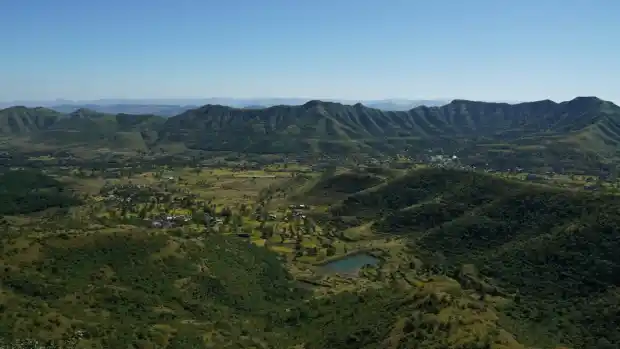
The city lies on the Deccan Plateau at the meeting of the Mula and Mutha rivers. The old peths, Deccan, Koregaon Park, airport side, Hinjawadi and the Pimpri-Chinchwad industrial belt are distinct travel zones.
Choose accommodation near the main purpose of your Pune trip and group each day by area. This guide covers attractions, neighbourhoods, weather, transport, food and practical planning without relying on schedules or prices that quickly become outdated.
History of Pune
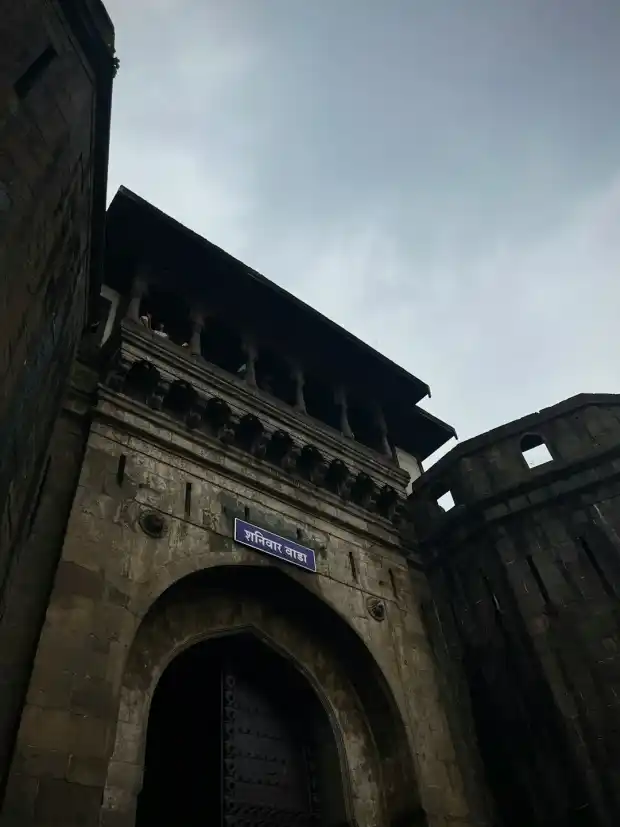
Pune rose to prominence under the Maratha Empire and the Peshwas, whose legacy includes Shaniwar Wada and old peth neighbourhoods. British-era cantonments, education and post-independence industry shaped the modern city.
Read the full history →Geography of Pune
The city lies on the Deccan Plateau at the meeting of the Mula and Mutha rivers. The old peths, Deccan, Koregaon Park, airport side, Hinjawadi and the Pimpri-Chinchwad industrial belt are distinct travel zones.
Why Visit Pune
Pune rewards travellers who combine its headline sights with local neighbourhoods and food.
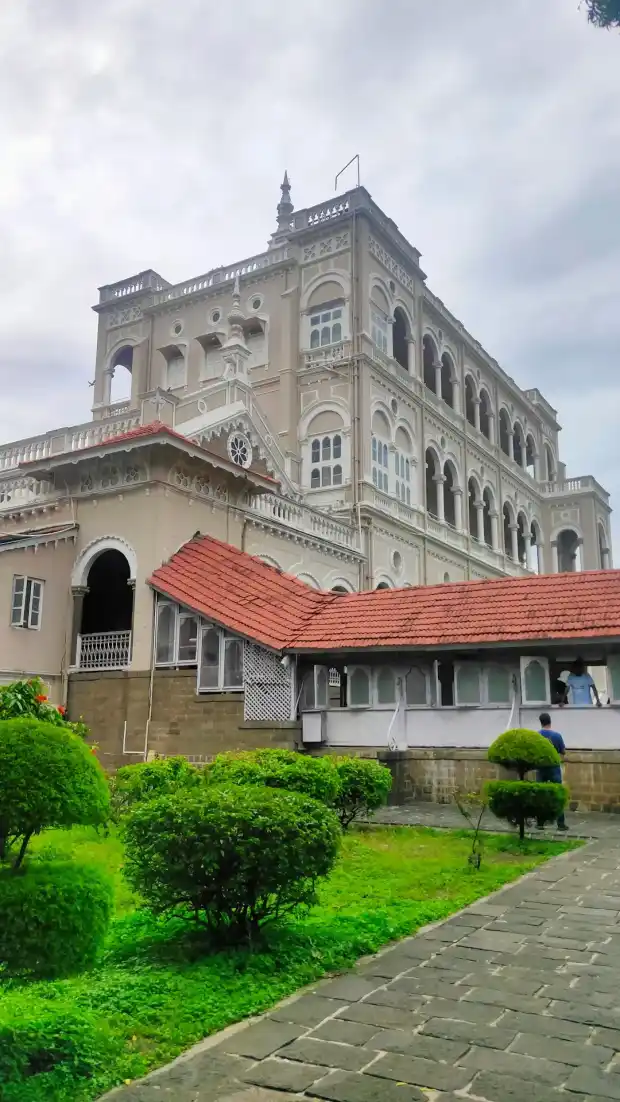
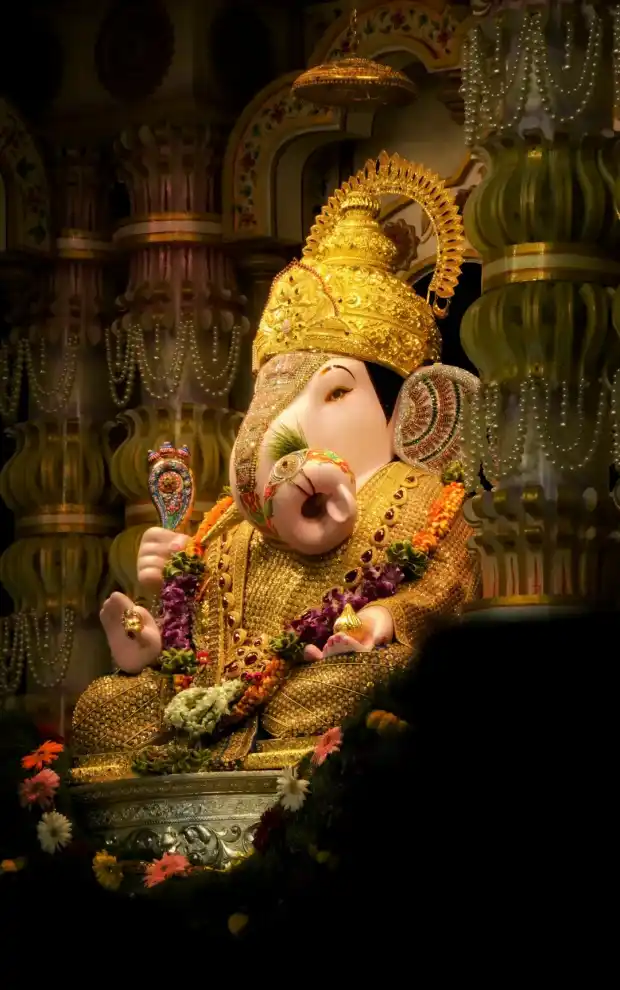
- Landmarks: Shaniwar Wada, Aga Khan Palace, Dagdusheth Halwai Ganpati Temple, Sinhagad Fort, Pataleshwar Cave Temple, Raja Dinkar Kelkar Museum.
- Food: Try misal pav, bhakarwadi, mastani, sabudana khichdi, thalipeeth, Maharashtrian thalis, bakarwadi and seasonal regional dishes; ask for a milder preparation if needed.
- Culture: Ganeshotsav is Pune's defining public festival. Gudi Padwa, Diwali, Shiv Jayanti, Sawai Gandharva Bhimsen Mahotsav and college cultural events also shape the calendar.
- Practical travel: select a stay close to the day's main area to reduce road time.
Top Tourist Places & Things to Do in Pune
The Pune tourist places and things to do that most travellers plan their visit around.
Where to Stay in Pune: Popular Areas
Planning to stay in Pune?
We are adding local stays in Pune. Share your dates and we will contact you when suitable options are available.
Free · No payment · No obligation
Plan Your Pune Trip
Quick, practical guidance for getting there, moving around, eating well and organising your time.
Railway, Airport and Bus Access in Pune
Check the terminal on your ticket before travelling because major cities can have more than one arrival point.
Pune Junction is the main station
Pune Airport (PNQ) at Lohegaon serves domestic and limited international routes
Swargate, Pune Station, Shivajinagar and route-specific private stops serve intercity buses
Best Time to Visit Pune
October to February is best for city walks and fort excursions. Monsoon is scenic around the Western Ghats but requires road, trail and landslide advisories; April and May are hot.
Read the full guide →Photos of Pune
Pune Map
Explore top attractions around Pune directly on the map.
More Pune Guides
Pune FAQs
What is Pune best known for?⌄
How many days are enough for Pune?⌄
What is the best time to visit Pune?⌄
Which area is best for a first-time visitor?⌄
Is Pune safe for tourists?⌄
Complete Pune Travel Guide
Explore food, transport, weather, travel tips, FAQs and deeper destination information.