Everything you need to plan your trip to Pune, Maharashtra.
← Back to Pune overview & guest housesPune occupies an unusual position in Indian travel. It is a major city — Maharashtra's second largest, an IT and manufacturing centre, home to well over three million people — but it doesn't feel like one in the way Mumbai or Delhi do. The pace is slower, the air is better, the climate is kinder, and the historic core is compact enough to explore on foot.
The city's significance is largely Maratha. From the early eighteenth century it was the effective capital of the Maratha Empire under the Peshwas, and the built heritage of that period — Shaniwar Wada, the wadas, the temples — remains the backbone of what visitors come to see. Shivaji, the empire's founder, spent his formative years here, and the forts he took and built ring the city.
Layered on top is a British cantonment, a century of educational institutions, an internationally known meditation resort, and a modern tech economy.
This guide covers the practicalities: when to come, how to get here and around, what to see in the city and in the hills beyond it, what to eat, and what it costs.
The Pune region has been settled since at least the eighth century, with copper-plate records referring to a settlement called Punya-Vishaya or Punakawadi. The Pataleshwar rock-cut cave temple dates from around the eighth century and is the oldest surviving structure in the modern city.
Through the medieval period the area passed between the Yadavas, the Delhi Sultanate, the Bahmanis, and then the Ahmadnagar and Bijapur Sultanates. In the early seventeenth century the jagir of Pune was held by the Bhosale family. Shivaji Bhosale — later Chhatrapati Shivaji Maharaj, founder of the Maratha Empire — spent much of his childhood in Pune under the guardianship of his mother Jijabai, and Lal Mahal in the old city marks the site of their residence.
Pune's period of greatest importance came in the eighteenth century under the Peshwas, the hereditary prime ministers who became the effective rulers of the Maratha confederacy. Bajirao I moved the seat of Maratha power here, and Shaniwar Wada, begun in 1730, became the Peshwa palace and administrative centre. The city expanded substantially, with new neighbourhoods (peths), temples, water systems and the characteristic wada courtyard houses.
Maratha power was broken by the British in the Third Anglo-Maratha War, and Pune came under British control in 1818. The British developed a large cantonment east of the old city — the area still called Camp — and used Pune as the monsoon capital of the Bombay Presidency, valued for its cooler, drier climate.
The late nineteenth and early twentieth centuries made Pune a centre of social reform and nationalism. Jyotirao and Savitribai Phule opened schools for girls and lower-caste children here; Bal Gangadhar Tilak published his newspapers from Pune and turned Ganesh Chaturthi into a public festival as a vehicle for nationalist organising; Gopal Krishna Gokhale founded the Servants of India Society here.
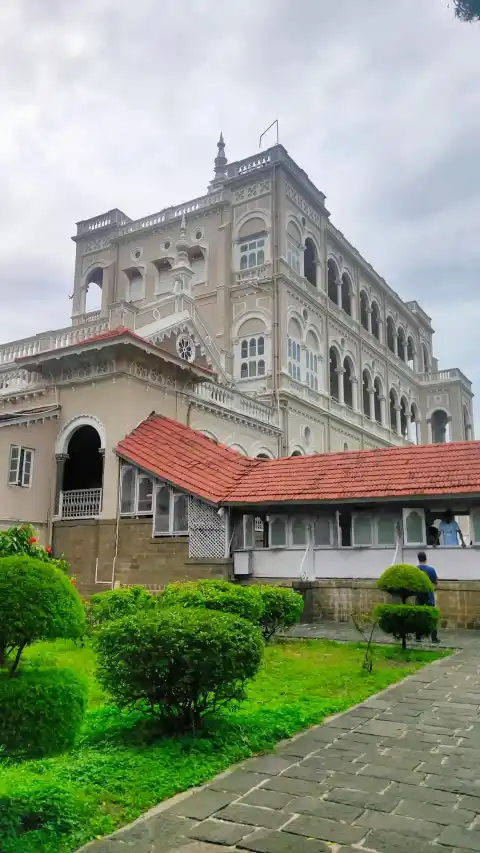
The Aga Khan Palace, built in 1892, became a prison for Mahatma Gandhi, Kasturba Gandhi and Sarojini Naidu after the Quit India movement in 1942. Kasturba Gandhi and Mahadev Desai both died in captivity there, and their memorials stand in the grounds.
After independence Pune grew as an educational and industrial centre, and from the 1990s as a major IT hub, with the Hinjewadi technology park driving much of its recent expansion.
Pune sits on the western edge of the Deccan Plateau at roughly 560 metres above sea level, about 150 km east of Mumbai and around 100 km inland from the Arabian Sea coast. That elevation is the single most important geographic fact about the city — it moderates temperatures year-round and gives Pune a noticeably more pleasant climate than coastal Maharashtra.
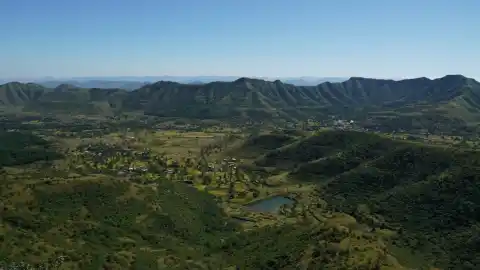
The Sahyadri range (Western Ghats) rises to the west, forming a barrier between Pune and the coast. This produces a rain-shadow effect: the Ghats intercept most of the southwest monsoon's moisture, so Pune receives considerably less rainfall than Mumbai despite being close by. The hills themselves are the city's outdoor playground, holding dozens of Maratha-era forts and, during and after the monsoon, hundreds of waterfalls.
Two rivers meet in the city — the Mula flowing from the northwest and the Mutha from the southwest, joining to form the Mula-Mutha, which eventually feeds the Bhima and then the Krishna. Several dams sit upstream, notably Khadakwasla and Panshet, which supply the city's water and are popular local excursion spots.
Within the city there are several hills, including Parvati, Vetal Tekdi and Chatushrungi, which give viewpoints and green space. The terrain is generally undulating rather than flat.
The underlying rock is Deccan Trap basalt, formed by volcanic activity roughly 66 million years ago — the same formation that made the region's rock-cut caves possible.
Pune has a tropical wet and dry climate moderated significantly by its elevation. It has three clear seasons and, compared with most Indian cities, no truly extreme period.
Summer (March to May) is warm but manageable by Indian standards. April and May are the hottest months, with daytime temperatures typically in the high 30s Celsius and occasionally touching 40°C. Crucially, humidity stays low and evenings cool down noticeably — a significant difference from Mumbai, where the heat is inescapable.
Monsoon (June to September) is when Pune is at its most beautiful. The southwest monsoon arrives in early to mid-June. Because of the rain-shadow effect, Pune receives moderate rainfall rather than Mumbai's deluge — enough to turn the surrounding hills brilliant green and fill the waterfalls, without the flooding that paralyses the coast. Temperatures drop into the mid-20s and the air is fresh.
Winter (November to February) is the most comfortable season. Daytime temperatures sit in the high 20s to low 30s, and nights are genuinely cool, sometimes dropping to around 10°C or slightly below in December and January. The air is dry and clear.
Post-monsoon (October) is a transitional month — the rain tapers off, humidity remains for a while, and temperatures climb briefly before winter sets in. Locals sometimes call this the October heat.
Air quality in Pune is generally better than in Delhi or Mumbai, though it has deteriorated with growth and is poorest in the winter months.
October to February is the best time to visit Pune, with November to February the strongest window for general sightseeing.
In these months the weather is dry, clear and comfortable — warm enough during the day for extended sightseeing, cool enough at night to be pleasant. This is the right window for exploring the old city on foot, trekking to the hill forts, and taking day trips into the Ghats without weather constraints.
The monsoon (June to September) is a genuine alternative and, for some visitors, the better choice. The Sahyadri hills are transformed — waterfalls everywhere, the entire range green, and mist over the forts. Lonavala, Khandala, Bhandardara and Tamhini Ghat are at their best. The trade-offs are wet weather, slippery trails and reduced visibility on some days. If landscape and photography matter more to you than convenience, come in the monsoon, ideally in late August or September when the rain is less relentless.
August and September bring Ganesh Chaturthi, which in Pune is a major event. Tilak turned it into a public festival here in the 1890s, and the city's celebrations — particularly around the Dagdusheth temple and the five manache (honoured) Ganpati mandals — are among the most significant in India. Extremely crowded, but a remarkable thing to witness.
March to May is hot but not prohibitive. If you visit, plan outdoor activity for early morning and evening, and consider using Pune as a base for hill stations like Mahabaleshwar and Panchgani, which stay cooler.
November to February — the best window. Daytime temperatures of roughly 28–32°C with cool, sometimes cold mornings and evenings (occasionally near 10°C in December and January). Dry, clear and comfortable for full-day sightseeing and trekking. Bring a light jacket or sweater for the mornings — visitors are often surprised by how cool Pune gets at night.
March to May — warm. Temperatures climb into the high 30s, occasionally to 40°C in April and May. Low humidity and cool evenings make it far more tolerable than most Indian cities in the same months, but midday outdoor activity is still best avoided. Trekking should start at dawn.
June to September — monsoon. Steady rain, temperatures in the mid-20s, high humidity and dramatic green landscapes. The Sahyadri hills are at their peak — this is the single best time for waterfall visits and scenic drives, and for many people the most attractive time to visit despite the rain. Trekking is possible but trails are slippery and leeches are common; some forts become genuinely dangerous in heavy rain.
October — transitional. Rain diminishes, humidity lingers, and there is often a warm spell before winter. Landscapes stay green.
By air. Pune International Airport (PNQ) at Lohegaon is about 10 km northeast of the city centre. It handles extensive domestic connections to all major Indian cities and a limited number of international routes, primarily to the Gulf. The airport is compact and easy to navigate.
Getting into the city: app cabs (Uber, Ola) and prepaid taxis are readily available and typically take 30–45 minutes to central areas depending on traffic and destination. Auto-rickshaws also serve the airport.
Many international visitors fly into Mumbai (BOM) instead, which has far more international connections, and then travel on to Pune by road or rail — around 3–4 hours by car via the Mumbai–Pune Expressway, or roughly 3.5 hours by train.
By train. Pune Junction (PUNE) is centrally located in the Camp area and is a major station on the Mumbai–Chennai and Mumbai–Bengaluru routes. Frequent services connect to Mumbai (the Deccan Queen and Deccan Express are long-running favourites, around 3.5 hours), plus direct trains to Delhi, Bengaluru, Hyderabad, Chennai, Goa and beyond. Shivajinagar and Khadki are secondary stations.
By road. The Mumbai–Pune Expressway is one of India's best highways and covers the roughly 150 km in about 3 hours in good conditions. The drive through the Ghats near Lonavala and Khandala is scenic, particularly during the monsoon.
MSRTC and private operators run frequent buses from Mumbai (including from Dadar and Borivali), and long-distance services connect Pune to Bengaluru, Hyderabad, Goa, Nashik and Aurangabad. The main depots are Swargate (south), Shivajinagar (north and west) and Pune Station (east and long distance).
Typical journeys: Mumbai around 3 hours, Lonavala around 1.5 hours, Mahabaleshwar around 3.5 hours, Nashik around 4.5 hours, Aurangabad around 5 hours (for the Ajanta and Ellora caves).
App cabs. Uber and Ola operate widely and are the most convenient option for visitors. Reliable and metered.
Auto-rickshaws. Abundant and the workhorse of Pune transport. Meters exist and are more often used here than in some Indian cities, but confirm before starting or use the app-based auto option.
Buses. PMPML runs the city bus network, including some air-conditioned services and BRT corridors on certain routes. Very cheap, but routes are signed largely in Marathi, which makes it harder for visitors.
Pune Metro. The metro network is operational on some corridors and expanding, connecting parts of the city including sections of the Pimpri-Chinchwad, Vanaz and Ramwadi routes. Useful where it runs; check current line coverage against your destinations, as the network is still growing.
Two-wheeler rental. Popular in Pune and widely available, including app-based scooter rentals. Traffic is lighter than Mumbai's but still demanding — only consider this if you're an experienced rider comfortable with Indian road conditions. Helmets are mandatory.
Hired car with driver. The best option for day trips to Sinhagad, Lonavala, Karla and Bhaja caves, or Mahabaleshwar. Widely available through hotels and operators.
Cycling and walking. The old city around Shaniwar Wada and the peths is compact and best explored on foot. Camp and Koregaon Park are also walkable. Pune has more cycle-friendly stretches than most Indian cities, and bike-share schemes operate in parts.
Practical note. Pune's geography is spread out — Hinjewadi in the far west and Viman Nagar in the east are a long way apart, and rush-hour traffic on the western corridor is heavy. If your interest is heritage and food, staying in Camp, Deccan or Koregaon Park keeps most things within easy reach.
Laxmi Road is Pune's traditional shopping street and the heart of retail in the old city — sarees, textiles, jewellery, and traditional goods. Crowded, especially during festival season, and best in the morning.
Tulshibaug is the market district behind Laxmi Road, a warren of narrow lanes selling everything from household goods to costume jewellery to religious items. Cheap, chaotic and good fun if you enjoy bargaining.
Mahatma Phule Mandai — The main produce market, housed in a striking Gothic-style building from 1886. Worth visiting for the architecture and atmosphere as much as the shopping.
FC Road and JM Road — The student shopping strip, with clothing, accessories, books and a dense concentration of cheap food. Lively and young.
MG Road and East Street, Camp — The cantonment shopping area, with older established shops, leather goods, and a colonial-era street layout.
Koregaon Park — Boutiques, designer stores, bookshops and lifestyle retail, alongside the café scene.
Malls — Phoenix Marketcity in Viman Nagar, Seasons Mall in Hadapsar, Amanora Town Centre and Westend Mall in Aundh cover mainstream and international brands.
What to buy:
Pune's food splits between traditional Maharashtrian cooking — which is well represented here in a way it isn't in most Indian cities — and a modern café and restaurant scene driven by students and IT workers.
Maharashtrian staples:
Maharashtrian thali. Several restaurants serve a full traditional thali, which is the most efficient way to try the range. The Kolhapuri and Malvani variants are spicier and include excellent non-vegetarian options — Kolhapuri mutton in particular.
Bakarwadi — Pune's most famous snack export, a tightly rolled spiral of spiced gram-flour dough, deep-fried. Chitale Bandhu is the institution.
Café culture. Pune has an unusually strong café scene for an Indian city, concentrated in Koregaon Park, Deccan, Baner and Aundh — specialty coffee, bakeries and all-day dining. The student population around FC Road supports a lot of cheap, good eating.
Irani cafés in Camp — A handful of the old Irani establishments survive in the cantonment area, serving bun maska, chai and keema. Fewer than Mumbai's, but atmospheric.
German Bakery, Koregaon Park — A long-running Pune landmark that became internationally known through the backpacker and Osho scene.
Craft beer. Pune has a substantial microbrewery culture, particularly in the western suburbs — among the best in India for locally brewed beer.
Street food areas — FC Road, JM Road and the lanes around Tulshibaug for chaat, misal and snacks.
Ganesh Chaturthi (August–September) — The defining festival of Pune and one of the most significant public celebrations in India. Bal Gangadhar Tilak transformed it from a household observance into a public festival here in the 1890s as a means of nationalist organising, and Pune retains a special status in how it is celebrated.
The city's five manache Ganpati — the honoured mandals, led by Kasba Ganpati — take precedence in the immersion procession, and the Dagdusheth Halwai temple's celebrations draw enormous crowds. Elaborate pandals are built across the city, many with themed decorations. The festival runs for ten or eleven days, ending with the immersion (visarjan) procession, which continues through the night and is an extraordinary spectacle.
If you visit during this period, expect very heavy crowds, road closures and full hotels — book well ahead. It is also probably the single most memorable time to be in Pune.
Diwali (October–November) — Widely celebrated, with the Maharashtrian tradition of faral (an assortment of homemade snacks and sweets) and early-morning ritual baths.
Gudi Padwa (March–April) — The Maharashtrian new year, marked by raising a decorated gudi (a pole with cloth, garland and an inverted pot) outside homes. Processions take place in the old city.
Holi and Rangpanchami (March) — Celebrated with colour, with Rangpanchami a few days after Holi being particularly significant in Maharashtra.
Sawai Gandharva Bhimsen Mahotsav (December) — One of India's most prestigious Hindustani classical music festivals, held annually in Pune. Multi-day, drawing leading performers from across the country. A major draw for anyone interested in Indian classical music.
Pune Festival (around Ganesh Chaturthi) — A cultural programme of music, dance and sport running alongside the Ganesh celebrations.
Shivaji Jayanti (February) — Commemorating the birth of Chhatrapati Shivaji Maharaj, with processions and events, significant across Maharashtra.
Ashadhi Ekadashi (June–July) — The Wari pilgrimage, in which hundreds of thousands of warkaris walk from Alandi and Dehu (both near Pune) to Pandharpur carrying the palkhis of saints Dnyaneshwar and Tukaram. The processions pass through Pune and are a remarkable sight.
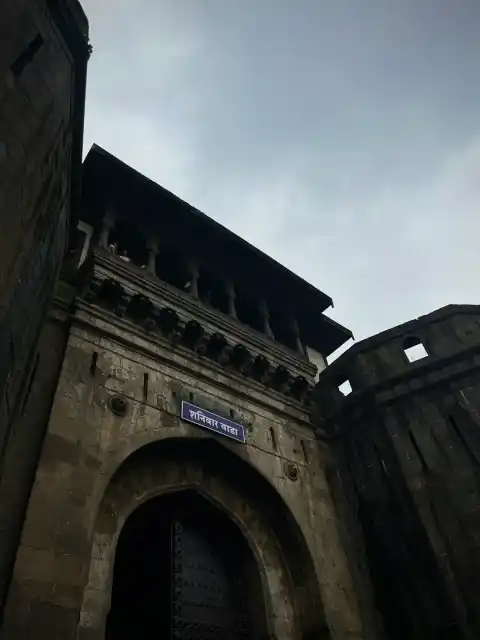
Shaniwar Wada — The Delhi Gate with its spiked doors and the fortification walls, best in the late afternoon. The evening sound-and-light show offers different possibilities.
Sinhagad Fort — Panoramic Sahyadri views, dramatic during and after the monsoon when the range is green and mist moves through the valleys. Sunrise from the fort is exceptional.
Aga Khan Palace — Italianate arches, manicured lawns and quiet interiors. Soft light through the arcades works well in the morning.
Pataleshwar Cave Temple — Low light, carved basalt and the circular Nandi mandapa. Challenging but rewarding; a tripod-free low-light setup helps.
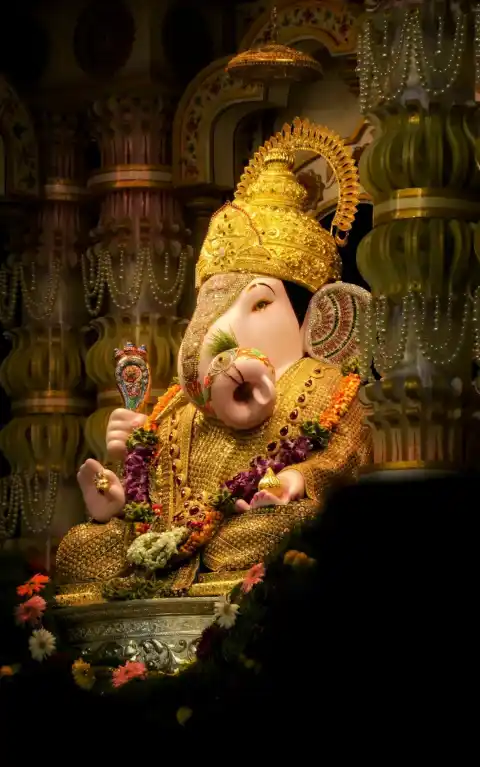
Dagdusheth Ganpati Temple after dark — Richly lit, with the gold-ornamented idol. Photography rules vary — check and respect restrictions.
Mahatma Phule Mandai — The Gothic market building and the produce stalls inside. Good morning light and constant activity.
Parvati Hill at sunrise or sunset — City panorama from the temple steps.
Lonavala, Khandala and Tamhini Ghat during the monsoon — This is the region's signature landscape photography — green hills, waterfalls, mist and dramatic light. Tamhini Ghat in particular is spectacular between July and September.
Karla and Bhaja Caves — Ancient rock-cut architecture, the chaitya hall at Karla with its ribbed vaulting and stone columns.
Khadakwasla and Panshet reservoirs — Water, hills and sky, best in the hours after sunrise.
The old peths — Traditional wada houses, carved wooden façades and narrow lanes around Shaniwar Wada and Tulshibaug. Street photography with genuine character. Ask before photographing people.
Ganesh Chaturthi processions — If you're here in August or September, the pandals and the immersion procession are extraordinary subjects. Crowded, so plan positions in advance and keep equipment secure.
Day 1 — Maratha heritage and the old city
Day 2 — Fort and the freedom movement
Days 1 and 2 as above.
Day 3 — The Ghats
Day 4 — City depth and shopping
Clothing by season:
November to February. Comfortable daytime clothing plus a genuine light jacket or sweater — mornings and evenings get cool, sometimes dropping to around 10°C. Visitors regularly underestimate this because they associate Maharashtra with heat.
March to May. Light cotton and linen, sun hat, high-SPF sunscreen, sunglasses. Evenings are cool enough that a light layer is still useful.
June to September (monsoon). Quick-dry clothing, a good rain jacket rather than just an umbrella if you plan to trek, waterproof bags for electronics, and footwear with grip that you don't mind soaking. Trails in the Ghats get very slippery.
Year-round essentials:
Pune has a strong medical infrastructure, including several well-regarded private hospitals and major teaching institutions, and is a recognised centre for medical treatment in western India.
Major private hospitals:
Government hospitals:
Good to know
Browse verified, admin-reviewed guest houses with real photos and honest prices.