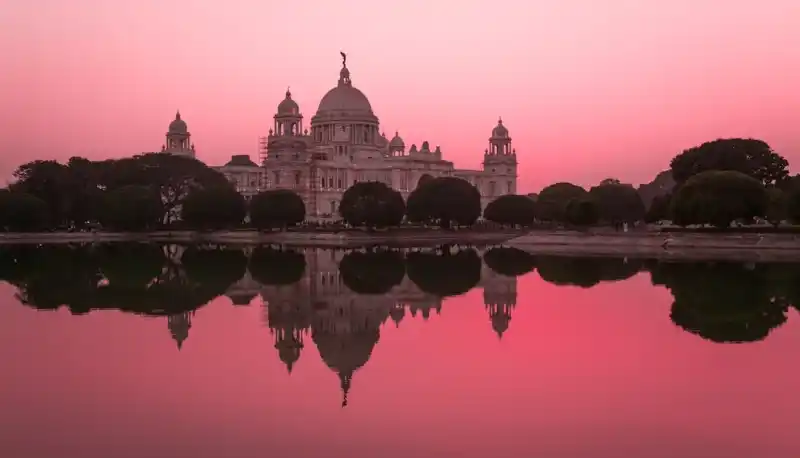
About Kolkata
Kolkata is eastern India's cultural metropolis, shaped by the Hooghly River, colonial-era architecture, Bengali literature and art, major festivals, historic neighbourhoods and one of India's most distinctive food cultures.
Kolkata spreads east from the Hooghly across older north and central neighbourhoods to Salt Lake and New Town. Howrah lies across the river, while the airport is north-east; river crossings and peak traffic shape travel time.
Choose accommodation near the main purpose of your Kolkata trip and group each day by area. This guide covers attractions, neighbourhoods, weather, transport, food and practical planning without relying on schedules or prices that quickly become outdated.
History of Kolkata
The East India Company developed Calcutta from riverine settlements into the capital of British India until 1911. The Bengal Renaissance, nationalist movements, migration and post-independence growth shaped the modern city, officially renamed Kolkata in 2001.
Read the full history →Geography of Kolkata
Kolkata spreads east from the Hooghly across older north and central neighbourhoods to Salt Lake and New Town. Howrah lies across the river, while the airport is north-east; river crossings and peak traffic shape travel time.
Why Visit Kolkata
Kolkata rewards travellers who combine its headline sights with local neighbourhoods and food.
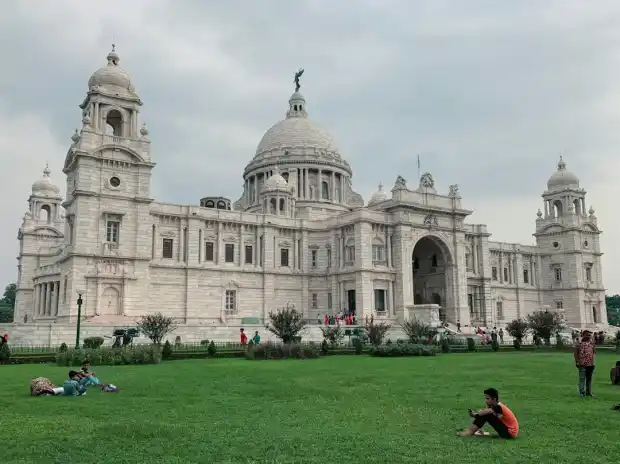
- Landmarks: Victoria Memorial, Indian Museum, Howrah Bridge, St Paul's Cathedral, Marble Palace, Kumartuli.
- Food: Try kathi rolls, luchi with alur dom, fish preparations, kosha mangsho where suitable, Kolkata biryani, mishti doi, sandesh and seasonal sweets while checking hygiene and allergens.
- Culture: Durga Puja defines the city's public calendar. Kali Puja, Poila Boishakh, Christmas on Park Street, Eid, book fairs and film or arts festivals also draw large crowds.
- Practical travel: select a stay close to the day's main area to reduce road time.
Top Tourist Places & Things to Do in Kolkata
The Kolkata tourist places and things to do that most travellers plan their visit around.
Where to Stay in Kolkata: Popular Areas
Planning to stay in Kolkata?
We are adding local stays in Kolkata. Share your dates and we will contact you when suitable options are available.
Free · No payment · No obligation
Plan Your Kolkata Trip
Quick, practical guidance for getting there, moving around, eating well and organising your time.
Railway, Airport and Bus Access in Kolkata
Check the terminal on your ticket before travelling because major cities can have more than one arrival point.
Howrah and Sealdah are the largest terminals, with Kolkata, Shalimar and Santragachi serving selected routes
Netaji Subhas Chandra Bose International Airport (CCU) serves domestic and international flights
Esplanade, Karunamoyee, Babughat and route-specific terminals serve state, interstate and private buses
Best Time to Visit Kolkata
November to February is best for walking and heritage. Durga Puja is culturally exceptional but extremely crowded; April to June is hot and humid, and monsoon requires flexibility.
Read the full guide →Photos of Kolkata

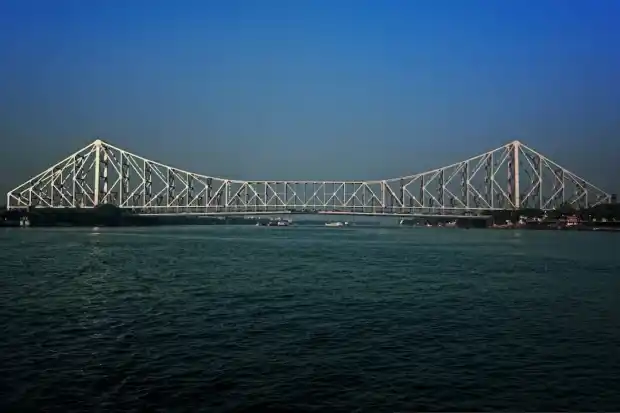
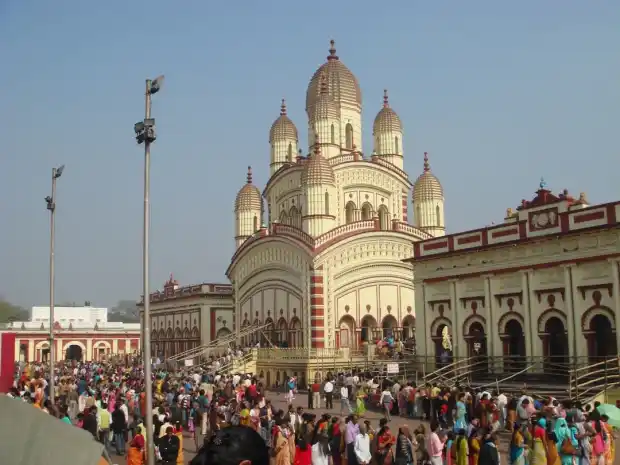
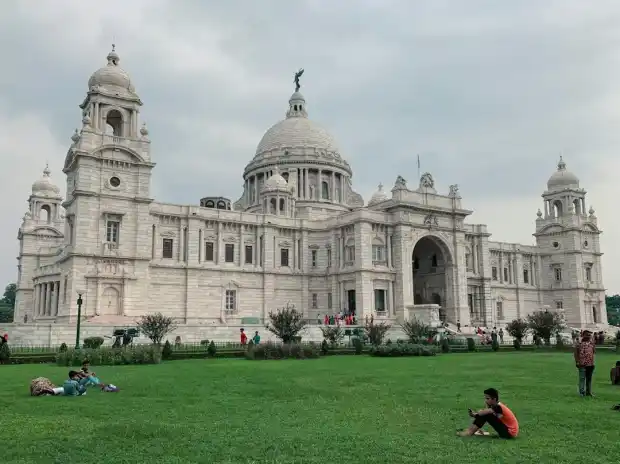
Kolkata Map
Explore top attractions around Kolkata directly on the map.
More Kolkata Guides
Kolkata FAQs
What is Kolkata best known for?⌄
How many days are enough for Kolkata?⌄
What is the best time to visit Kolkata?⌄
Which area is best for a first-time visitor?⌄
Is Kolkata safe for tourists?⌄
Complete Kolkata Travel Guide
Explore food, transport, weather, travel tips, FAQs and deeper destination information.