HomeChennai › Travel Guide
The complete guide

Chennai Travel Guide

Everything you need to plan your trip to Chennai, Tamil Nadu.

← Back to Chennai overview & guest houses
📑Jump to a section

Introduction to Chennai

Chennai is India's sixth-largest city and the cultural capital of the Tamil-speaking world. It sits on the Coromandel Coast in northeastern Tamil Nadu, built around the British fort that became the East India Company's first foothold in India in 1644.

What sets Chennai apart from India's other metros is continuity. Tamil is among the world's oldest continuously spoken languages, and the city wears that inheritance openly — in its temple rituals, its classical music and dance traditions, its cinema, and its food. Modern Chennai layers a major IT and manufacturing economy on top of that without displacing it.

This guide covers everything you need to plan a visit: when to come, how to get here, what to see, what to eat, what things cost, and the practical details that make a first trip easier.

History

Chennai's recorded history begins well before the British arrival. The region around Mylapore was a Pallava-era port and a centre of Tamil learning; the Kapaleeshwarar Temple's origins trace to roughly the 7th century, and San Thome is traditionally held to be the burial site of the apostle Thomas.

The modern city dates to 1639, when the East India Company acquired a coastal strip from local Nayak rulers. Fort St. George, completed around 1644, was the Company's first fortified settlement in India, and the settlement that grew around it — George Town — became Madras. The city expanded by absorbing surrounding villages, including Mylapore, Triplicane and Egmore, each of which retains a distinct character today.

Madras served as the capital of the Madras Presidency, one of British India's three original administrative provinces, covering much of South India. The city became an early centre of Indian nationalism, education and the press.

After independence, Madras became capital of Madras State, renamed Tamil Nadu in 1969. The city itself was officially renamed Chennai in 1996. The second half of the twentieth century saw it grow into a manufacturing centre — earning the nickname "the Detroit of India" for its automotive cluster — and, from the 1990s, a major IT and back-office hub.

Geography

Chennai lies on the Coromandel Coast of the Bay of Bengal, in the northeastern corner of Tamil Nadu, at roughly 13°N latitude. The terrain is almost entirely flat — the city sits close to sea level, with no significant elevation anywhere within its limits, which is a key reason flooding is a recurring problem during heavy monsoons.

Two rivers cross the city: the Cooum, which runs through the centre, and the Adyar, further south. Both are heavily polluted through their urban stretches. The Buckingham Canal, a colonial-era navigation channel, runs roughly parallel to the coast. The Adyar estuary supports a protected wetland and bird habitat.

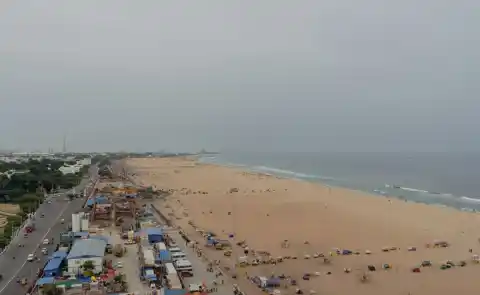
The city's coastline runs for about 19 kilometres, giving it Marina Beach — at roughly 13 kilometres, one of the longest urban beaches in the world — along with Elliot's Beach at Besant Nagar and a chain of quieter beaches heading south along the East Coast Road.

Chennai's soil is largely sandy near the coast and clay further inland. Water supply has historically been a constraint; the city draws from reservoirs at Poondi, Cholavaram, Red Hills and Chembarambakkam, supplemented by desalination plants.

Climate

Chennai has a tropical wet and dry climate. It is warm to hot throughout the year, with high humidity because of its coastal position, and it has no true cold season.

The defining feature of Chennai's climate is that it receives most of its rain from the northeast monsoon (October to December) rather than the southwest monsoon that waters most of India between June and September. This is unusual among Indian cities and it shifts the whole travel calendar — Chennai's wettest months are when much of the country is drying out.

Summer runs roughly March to June and is genuinely severe, with May typically the hottest month and daytime temperatures regularly in the high 30s Celsius, occasionally exceeding 40°C. Humidity makes it feel worse than the number suggests. Locals refer to the peak of this period as Agni Nakshatram.

The northeast monsoon brings heavy, sometimes intense rainfall between October and December, with November usually the wettest month. Cyclones forming in the Bay of Bengal can affect the city during this window.

The cool season, December to February, is short and mild — comfortable daytime temperatures, low rainfall, and the most pleasant conditions of the year.

🌞 Best Time to Visit

November to February is the best time to visit Chennai, with December and January the strongest months.

Temperatures in this window are comfortable — generally in the 20s during the day, cool in the mornings and evenings — and rainfall has largely tapered off after the November peak. This is the only period of the year when you can walk around Fort St. George or along Marina Beach in the middle of the day without struggling.

December is exceptional for a specific reason: the Margazhi music season, when Chennai hosts one of the world's largest classical music and dance festivals across dozens of sabhas (concert halls). Hundreds of performances run across roughly six weeks, many of them free or very cheap. If you have any interest in Indian classical arts, this is the time to come. Book accommodation early, as the season draws visitors from across the world.

Mid-January brings Pongal, Tamil Nadu's harvest festival and its most important celebration — a good time to see the city at its most festive, though many businesses close for several days.

Avoid March to June unless you have a specific reason. The heat is punishing and it materially limits what you can do during daylight hours.

October and November bring the heaviest rain. Travel is possible but flooding can disrupt plans at short notice.

Weather

December to February — the best window. Daytime temperatures generally range from the low 20s to around 30°C, with cool mornings and evenings. Rain is minimal. This is when Chennai is most comfortable for walking, sightseeing and beach time, and it coincides with the December music season.

March to May — hot. Temperatures climb steadily; May is typically the peak, often in the high 30s and sometimes above 40°C, with high humidity. Outdoor sightseeing is best restricted to early morning and after sunset. Air conditioning becomes essential rather than optional.

June to September — warm and dry-ish. The southwest monsoon largely bypasses Chennai, so this period is hot but not especially wet. Sea breezes moderate the afternoons somewhat. Temperatures typically sit in the low-to-mid 30s.

October to December — the northeast monsoon. Heavy rainfall, particularly in November. Streets flood readily given the flat terrain, and travel disruption is common during intense spells. Temperatures are cooler and more pleasant between downpours. Cyclone risk is real in this window; check forecasts before booking.

✈ How to Reach Chennai

By air. Chennai International Airport (MAA) at Tirusulam is about 20 km from the city centre and is one of India's busiest airports, with direct international connections across Southeast Asia, the Middle East and Sri Lanka, plus comprehensive domestic coverage. The airport has separate domestic and international terminals.

Getting into the city: the Chennai Metro Blue Line connects the airport directly to the centre and is the cheapest and often fastest option, typically taking around 35–45 minutes to Chennai Central with fares capped at a modest flat rate. Prepaid taxis and app cabs (Ola, Uber) are readily available and take 45 minutes to over an hour depending on traffic. Airport buses also run to key points.

By train. Chennai is a major rail hub with two main stations:

  1. Chennai Central (MAS) — the primary station for long-distance trains from Delhi, Mumbai, Kolkata, Bengaluru, Hyderabad and across India
  2. Chennai Egmore (MS) — mainly serves destinations within Tamil Nadu and the southern states

Both are centrally located and well connected by metro, suburban rail and road. Book long-distance trains well ahead through IRCTC, especially around Pongal and the December season.

By road. Chennai sits at the junction of several national highways, including NH 32 (to Kolkata via the coast), NH 48 (to Bengaluru) and NH 45/32 southward. State-run and private buses connect it to every major city in South India.

The main long-distance bus terminus is the Kalaignar Centenary Bus Terminus at Kilambakkam, on the southern edge of the city, which has taken over most intercity services from the older Koyambedu terminus (CMBT). Check which terminus your ticket specifies — they are far apart.

Typical road journeys: Bengaluru around 6 hours, Pondicherry around 3 hours, Mahabalipuram around 1.5 hours.

🚗 Local Transport

Metro. Chennai Metro is the most comfortable way to move around, covering the airport, Chennai Central, Egmore, Koyambedu and several key commercial districts. It is clean, air-conditioned and cheap. Coverage is still expanding, so it won't reach everywhere you want to go, but where it runs, use it.

Suburban rail. The MRTS and suburban lines are extremely cheap and useful for coastal routes south towards Velachery and along the beach corridor. Crowded at peak hours and basic in comfort, but fast.

App cabs. Ola and Uber operate throughout the city and are the default choice for most visitors. Reliable, metered, and avoid the need to negotiate.

Auto-rickshaws. Widely available. Meters are frequently ignored, so agree a fare before starting or use the app-based auto option, which is usually cheaper and avoids haggling.

Buses. MTC runs an extensive and very cheap bus network. Useful if you have time and patience; routes and announcements are largely in Tamil, which makes it harder for first-time visitors.

Two-wheeler and car rental. Self-drive cars and scooter rentals are available. Chennai traffic is heavy and driving style is assertive — not recommended for first-time visitors to India.

Practical note. Distances are longer than they look. The IT corridor along OMR stretches far south, and crossing the city at rush hour can take well over an hour. Build in buffer time.


🚆
Railway
Chennai Central (MAS) and Chennai Egmore (MS); Central handles most long-distance trains, Egmore serves southern Tamil Nadu
✈️
Airport
Chennai International Airport (MAA), Tirusulam, approx. 20 km from the city centre
🚌
Bus
Kilambakkam Bus Terminus (Kalaignar Centenary Bus Terminus) for long-distance; CMBT Koyambedu for regional services

Top Tourist Places in Chennai

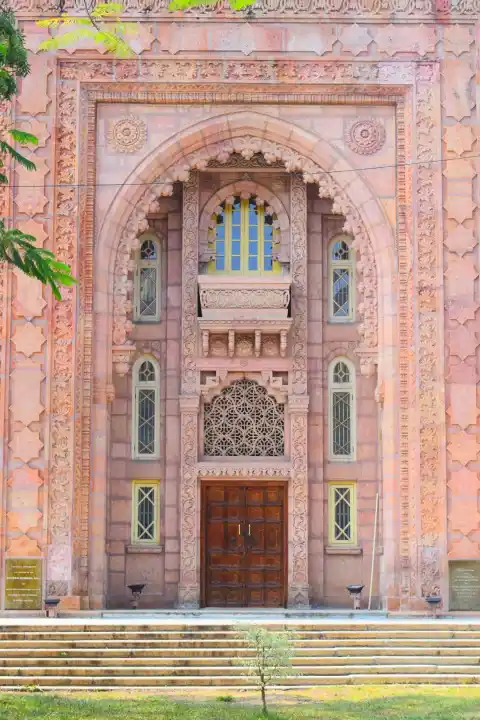
Marina BeachKapaleeshwarar TempleFort St. GeorgeGovernment Museum EgmoreSan Thome BasilicaElliot's BeachParthasarathy TempleValluvar KottamGuindy National ParkTheosophical Society GardensDakshinachitra Heritage MuseumAshtalakshmi TempleBirla PlanetariumMarundeeswarar Temple

🛍 Shopping

T. Nagar is Chennai's retail heart and one of the busiest shopping districts in India. Ranganathan Street and the surrounding blocks are packed with textile showrooms, jewellery stores and general retail. It is genuinely crowded — go early in the day, and keep an eye on your belongings.

Silk sarees are Chennai's signature purchase. The city is the natural place to buy Kanchipuram silk, woven in the nearby temple town. Established showrooms in T. Nagar and Mylapore are the safest bet for authenticity; look for the Silk Mark label, and be aware that genuine Kanchipuram silk is expensive — a very low price is a warning sign, not a bargain.

Handicrafts and textiles. Government emporia offer fixed-price, reliably authentic crafts across South Indian traditions — bronze figures, Tanjore paintings, wood carving, handloom cotton. Prices are higher than in bargaining markets but quality is dependable.

Mylapore around the temple has traditional shops selling brass and bronze lamps, puja items, flowers and pattu (silk) — good for atmosphere as much as purchases.

Pondy Bazaar in T. Nagar is somewhat less overwhelming than Ranganathan Street, with a mix of street stalls and established shops.

Malls. Phoenix MarketCity in Velachery, Express Avenue near Royapettah and VR Chennai in Anna Nagar cover international and Indian brands, food courts and cinemas.

Books. Chennai has a strong bookshop culture, with several long-established stores around Nungambakkam and Anna Salai.

Filter coffee and spices make good, light souvenirs — freshly ground coffee blends from traditional shops in Mylapore travel well.

🍴 Local Food

Chennai's food is one of the strongest reasons to visit. Tamil cuisine is rice-based, generally vegetarian at its core, and built on a distinctive set of tempering spices, tamarind, curry leaves and coconut.

The banana-leaf meal (sappadu) is the essential Chennai experience — rice served with sambar, rasam, several vegetable preparations, curd, pickle, appalam and payasam, eaten off a banana leaf, usually all-you-can-eat. Available across the city at very low cost.

Tiffin items — the South Indian snack repertoire, eaten at breakfast and evening:

  1. Idli — steamed rice-and-lentil cakes, soft and mild
  2. Dosa — fermented rice-and-lentil crepe, in dozens of variations; the ghee roast and masala dosa are the standards
  3. Pongal — savoury rice-and-lentil dish with pepper, cumin and ghee, typically eaten at breakfast
  4. Vada — savoury fried lentil doughnut, usually served with sambar and chutney
  5. Uttapam — thicker pancake with vegetables mixed in

Filter coffee is Chennai's ritual drink — strong decoction mixed with hot milk, served in a steel tumbler and dabara and poured back and forth to cool and froth it. Ordering it "by the yard" is a local flourish.

Chettinad cuisine, from the Chettinad region south of Chennai, is the best-known Tamil non-vegetarian tradition — noticeably spicier and more aromatic, built on freshly ground masalas, black pepper and star anise. Chettinad chicken and pepper chicken are the entry points.

Seafood. Given the coastline, fish is excellent. Meen kuzhambu (tamarind fish curry), fried fish and prawn preparations are widely available.

Biryani. The Chennai style — often called Ambur or Dindigul biryani depending on the tradition — is distinct from Hyderabadi, using seeraga samba rice and a lighter, more aromatic masala.

Street food. Marina Beach and Elliot's Beach are the classic evening spots — sundal (spiced legumes), bajji (fritters), and molaga bajji (stuffed chilli fritters).

Where to eat. Chennai's best food is often at unpretentious "mess" restaurants and long-running vegetarian chains rather than high-end venues. Saravana Bhavan and Murugan Idli Shop are reliable and widespread. Mylapore and T. Nagar have the densest concentration of good traditional eateries.

Note on spice. Tamil food runs hot. Ask for less spice if you're not used to it — most places will accommodate.


Festivals

Pongal (mid-January) — Tamil Nadu's most important festival, a four-day harvest celebration usually falling 14–17 January. Homes are decorated with kolam (rice-flour floor designs), the ceremonial pongal dish is cooked outdoors in new pots until it boils over (a symbol of abundance), and cattle are honoured on Mattu Pongal. Many businesses close for several days; the city empties as people travel to home villages.

Margazhi Music Season (mid-December to mid-January) — Not a festival in the religious sense but Chennai's defining cultural event: a six-week programme of Carnatic music and Bharatanatyam dance across dozens of sabhas. Hundreds of concerts, many free or inexpensive. The associated canteen culture at the sabhas is a food destination in its own right.

Navratri and Golu (September–October) — Nine nights of celebration, marked in Tamil homes by golu — tiered displays of dolls and figurines. Families hold open house and visitors are invited to view the display.

Deepavali (October–November) — Celebrated with early-morning oil baths, new clothes and fireworks. Tamil Deepavali traditions differ somewhat from the North Indian Diwali.

Panguni Uthiram (March–April) — A major temple festival, with processions at Kapaleeshwarar and other temples.

Mylapore Festival (January) — A neighbourhood arts festival around the Kapaleeshwarar temple, with kolam competitions, street performances, music and food stalls.

Chennai Sangamam (January) — An open-access folk arts festival held in public spaces across the city.

Tamil New Year / Puthandu (mid-April) — Marks the start of the Tamil calendar year.

Christmas and Easter are widely observed, particularly around San Thome and the city's substantial Christian community.


Photography Spots

Marina Beach at sunrise — The single best photographic opportunity in the city. Fishing boats coming in, the long sweep of sand, walkers and the lighthouse. Arrive before 6am for the best light.

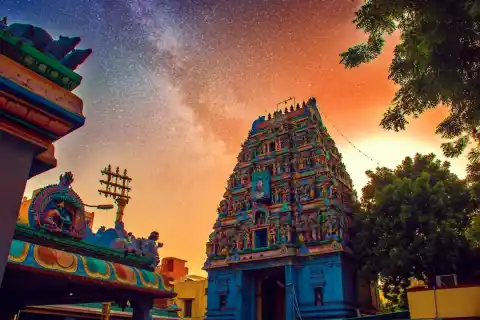
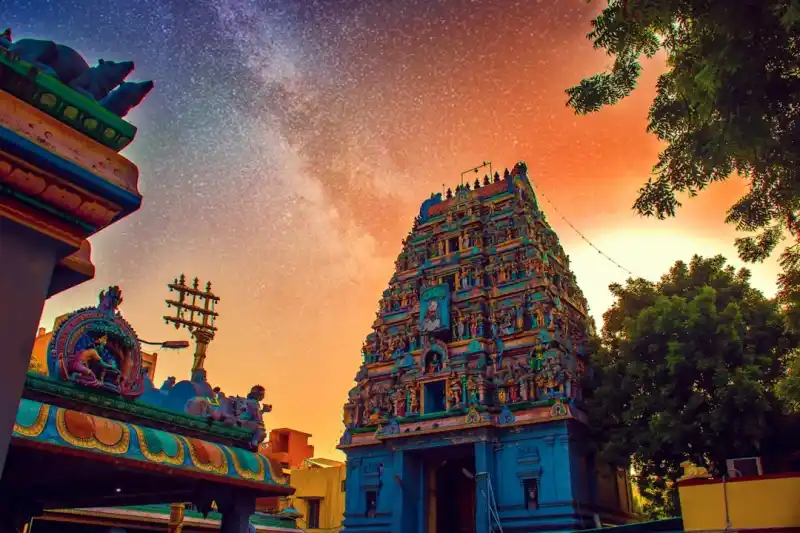
Kapaleeshwarar Temple gopuram, Mylapore — The painted tower is spectacular in the warm light of early morning or late afternoon. The temple tank opposite gives you reflections. Note that photography rules vary inside temple precincts — check signage and respect restrictions around the inner sanctum.

Mylapore's streets during festival season — Flower markets, kolam designs on doorsteps, temple processions. Dense, colourful and best explored on foot in the early morning.

Fort St. George and George Town — Colonial architecture, the old harbour district, and the narrow commercial lanes of Parry's Corner.

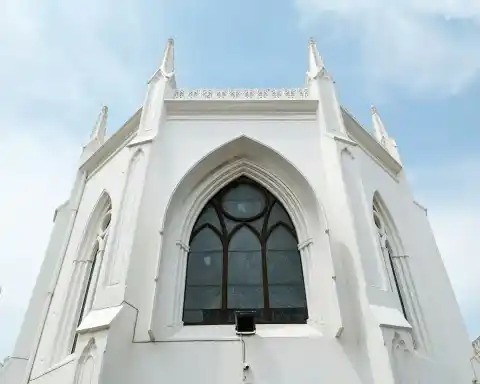
San Thome Basilica — White neo-Gothic facade, best photographed in the late afternoon.

Elliot's Beach and Ashtalakshmi Temple — The temple sits almost on the water at Besant Nagar; good for sunset compositions.

Kasimedu fishing harbour — Working fish market and boat harbour in the early morning. Vivid and completely unstaged, though busy and wet underfoot. Be respectful about photographing people at work.

Mahabalipuram — The Shore Temple at sunrise, the Five Rathas and Arjuna's Penance. Worth the day trip for photography alone.

Dakshinachitra — Traditional South Indian architecture in a controlled setting, useful if you want heritage detail without crowds.

Chennai Central station facade — The red-brick Indo-Saracenic building is a landmark, best shot from across the road in the evening when lit.


📅 Suggested Itinerary

Two days — the essentials

Day 1 — Heritage and the centre

  1. Early morning: Marina Beach at sunrise, then breakfast (idli and filter coffee) at a traditional tiffin place
  2. Mid-morning: Fort St. George and the Fort Museum, St. Mary's Church
  3. Lunch: banana-leaf meal
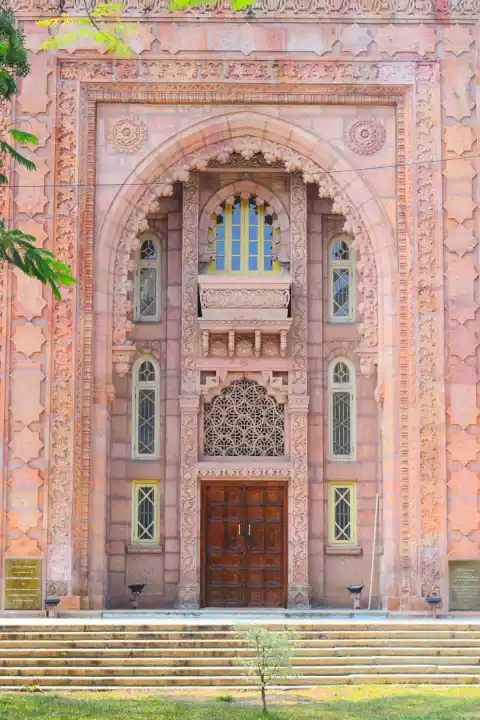
  4. Afternoon: Government Museum, Egmore — allow two hours, focus on the bronze gallery
  5. Evening: San Thome Basilica, then Kapaleeshwarar Temple in Mylapore for the evening rituals
  6. Dinner: Mylapore

Day 2 — Coast and culture

  1. Morning: drive south on the East Coast Road
  2. Late morning: Dakshinachitra heritage museum
  3. Afternoon: Mahabalipuram — Shore Temple, Five Rathas, Arjuna's Penance
  4. Evening: back to the city; dinner and a walk at Elliot's Beach

Four days — a fuller visit

Days 1 and 2 as above.

Day 3 — Temples and craft

  1. Full day trip to Kanchipuram: Ekambareswarar, Kailasanathar and Varadharaja Perumal temples, plus a silk-weaving workshop visit
  2. Return to Chennai for the evening

Day 4 — City life

  1. Morning: Guindy National Park or the Theosophical Society gardens
  2. Late morning: Parthasarathy Temple, Triplicane
  3. Afternoon: shopping in T. Nagar — silk sarees, handicrafts
  4. Evening: Valluvar Kottam, then a Carnatic concert if visiting in December, or a rooftop bar in Nungambakkam

One week

Add Pondicherry (3 hours south, French colonial quarter and seafront) for two nights, and either Vellore's Golden Temple or a longer temple-trail excursion towards Chidambaram and Thanjavur.


🌑 What to Pack

Clothing. Light, loose cotton or linen — Chennai is warm and humid almost year-round. Avoid synthetics.

For temple visits. Modest dress is expected and sometimes enforced. Shoulders and knees covered for both men and women. Some temples require men to remove shirts before entering the inner sanctum. Carry a scarf or shawl. You will remove footwear frequently, so slip-on shoes are far more practical than laced ones.

Sun protection. Sunscreen with high SPF, sunglasses, a hat or cap. The sun is strong even in the cooler months.

Footwear. Comfortable sandals or walking shoes you can take off easily. A second pair matters if you're visiting during the northeast monsoon.

For the monsoon (October–December). Compact umbrella, quick-dry clothing, waterproof bag or pouch for electronics, and footwear you don't mind getting soaked.

Health items. Hand sanitiser, mosquito repellent, any prescription medication with a copy of the prescription, oral rehydration salts, and basic stomach remedies.

Light layer. Air conditioning in malls, cinemas, trains and hotels is often set very cold. A thin shawl or cardigan is genuinely useful.

Reusable water bottle. Stick to sealed bottled or filtered water; a bottle with a built-in filter reduces plastic use.

Electronics. India uses 230V, 50Hz with Type C, D and M sockets. Bring a universal adapter.

Documents. Passport and visa, a printed copy stored separately, travel insurance details, and digital backups.


Hospitals

Chennai is one of India's leading medical destinations, with a high concentration of well-regarded private hospitals. Standards at the major private facilities are high and English is widely spoken by medical staff.

Major private hospitals:

  1. Apollo Hospitals, Greams Road — the city's best-known private hospital, comprehensive multi-speciality care with a large international patient department
  2. MIOT International, Manapakkam — multi-speciality, particularly noted for orthopaedics
  3. Fortis Malar Hospital, Adyar — multi-speciality, convenient for the southern part of the city
  4. Sri Ramachandra Medical Centre, Porur — large teaching hospital and medical centre
  5. Kauvery Hospital — several branches across the city, including Alwarpet and Vadapalani
  6. Global Hospitals, Perumbakkam — multi-speciality, strong transplant programme

Government hospitals:

  1. Rajiv Gandhi Government General Hospital, Park Town — the city's principal government hospital, near Chennai Central, one of the oldest hospitals in India
  2. Government Kilpauk Medical College Hospital
  3. Government Stanley Medical College Hospital, Royapuram


Emergency Numbers

  1. 112 — National emergency number (police, fire, ambulance — single point of contact)
  2. 100 — Police
  3. 101 — Fire and rescue
  4. 102 / 108 — Ambulance (108 is the emergency response service across Tamil Nadu)
  5. 1091 — Women's helpline
  6. 1098 — Childline (child protection)
  7. 1363 — Tourist helpline (national)
  8. 1913 — Chennai Corporation helpline
  9. 1077 — District disaster management / flood control (relevant during the northeast monsoon)


💡 Travel Tips

Language. Tamil is the state language and Tamil identity around language is strong. English is widely understood in hotels, restaurants and by younger people, and is common in business. Hindi is much less useful here than in northern India — don't assume it will be understood, and it is better received to try English or a few words of Tamil. "Vanakkam" (hello) and "nandri" (thank you) go a long way.

Dress. Chennai is more conservative than Mumbai or Bengaluru. Modest clothing is appreciated generally and expected at religious sites.

Alcohol. Sold only through state-run TASMAC outlets and licensed bars and hotels. Legal drinking age is 21. Dry days apply on certain national holidays.

Beach safety. Do not swim at Marina Beach. Currents and undertow are dangerous and there are regular drownings. Elliot's Beach is somewhat safer but still requires caution. Beaches south along the ECR are generally better for swimming.

Heat management. If visiting between March and June, plan sightseeing for before 10am and after 5pm. Drink far more water than feels necessary. Heat exhaustion is a genuine risk.

Monsoon awareness. During October to December, check weather forecasts daily. Flooding can close roads with little warning and disrupt airport and rail services. Build flexibility into travel plans.

Water. Drink only sealed bottled or properly filtered water. Avoid ice in informal establishments. Street food is generally excellent but choose busy stalls with high turnover.

Transport. Use app cabs rather than negotiating with auto-rickshaws unless you're comfortable bargaining. Traffic is heavy; allow far more time than distance suggests, especially crossing the city at peak hours.

Temples. Remove footwear before entering (there are usually minded shoe stands for a small fee). Some temples restrict non-Hindus from inner areas. Photography is often prohibited inside — look for signs. Avoid visiting during personal menstruation if you wish to respect local custom, as some temples request this.

Money. ATMs are widespread. UPI digital payments are near-universal, including at small shops, though this generally requires an Indian bank account. Cards are accepted at established businesses; carry some cash for autos, small eateries and markets.

Bargaining. Expected in markets and with auto-rickshaws, not in showrooms, malls or restaurants.

Timing your visit around Pongal. Mid-January is festive but many businesses close for several days and transport is heavily booked. Plan accordingly.

Connectivity. Mobile data is cheap and coverage is excellent. Buy a local SIM (Airtel, Jio, Vi) on arrival — you'll need passport and visa copies plus a photo.


Budget Guide

All figures are approximate per-person daily costs in Indian rupees, excluding international flights. Chennai is generally less expensive than Mumbai or Delhi.

Budget traveller — ₹1,500 to ₹2,500 per day

  1. Accommodation: ₹600–1,200 (hostel dorm, budget guest house, basic lodge)
  2. Food: ₹300–500 (tiffin breakfasts, banana-leaf meals, street food — you eat extremely well at this level in Chennai)
  3. Transport: ₹150–300 (metro, buses, occasional shared auto)
  4. Sightseeing: ₹100–300 (most temples free; museum entry is low)

Mid-range — ₹3,500 to ₹7,000 per day

  1. Accommodation: ₹2,000–4,500 (three-star hotel, good business hotel, serviced apartment)
  2. Food: ₹800–1,500 (mix of restaurants and casual dining)
  3. Transport: ₹500–1,000 (app cabs, occasional hired car)
  4. Sightseeing and activities: ₹500–1,000

Luxury — ₹12,000 and upward per day

  1. Accommodation: ₹8,000–25,000+ (five-star hotels; Chennai has strong luxury options including heritage and beachfront properties)
  2. Food: ₹2,500–5,000 (fine dining, hotel restaurants)
  3. Transport: ₹2,000–4,000 (private car with driver)
  4. Activities: guided tours, spa, private excursions

Specific costs to plan around:

  1. Airport metro to city: very low, flat fare capped around ₹50
  2. Airport taxi to central Chennai: roughly ₹500–900 depending on destination and time
  3. Auto-rickshaw short hop: ₹50–150
  4. Banana-leaf meal: ₹100–250 at a traditional mess
  5. Filter coffee: ₹20–60
  6. Government Museum entry: modest, with a higher rate for foreign nationals
  7. Day trip to Mahabalipuram by hired car: ₹2,500–4,000 for the vehicle
  8. Kanchipuram silk saree: from ₹5,000 for a simple genuine piece, rising steeply

Money-saving notes. Chennai's best food is cheap — traditional messes and tiffin houses cost a fraction of hotel restaurants and are usually better. Temples are free. The metro is far cheaper than cabs. December music season concerts are frequently free.


Good to know

Frequently Asked Questions about Chennai

What is the best time to visit Chennai?
November to February is the best time, with December and January the most comfortable. Temperatures sit in the 20s during the day and rainfall has tapered off after the November peak. December also brings the Margazhi music season, one of the world's largest classical arts festivals.
How many days do you need in Chennai?
Two days covers the main city sights — Marina Beach, Kapaleeshwarar Temple, Fort St. George and the Government Museum. Three to four days lets you add Mahabalipuram and Kanchipuram as day trips, which is the better plan if you have the time.
Which airport serves Chennai?
Chennai International Airport (MAA) at Tirusulam, about 20 km from the city centre. It handles both domestic and international flights, with strong connections across Southeast Asia, the Middle East and Sri Lanka.
How do I get from Chennai airport to the city?
The Chennai Metro Blue Line connects the airport directly to the centre and is the cheapest and often fastest option, taking around 35-45 minutes to Chennai Central. Prepaid taxis and app cabs (Ola, Uber) are also available and take 45 minutes or more depending on traffic.
Which railway station should I book to in Chennai?
Chennai Central (MAS) handles most long-distance trains from across India. Chennai Egmore (MS) mainly serves destinations within Tamil Nadu and the southern states. Check which one your train arrives at, as they are different stations.
Is Chennai safe for tourists?
Chennai is generally considered one of India's safer large cities. Normal urban precautions apply — watch belongings in crowded areas like T. Nagar, use app-based cabs at night, and avoid isolated stretches of beach after dark. Solo female travellers generally report feeling comfortable, though modest dress attracts less attention.
Can you swim at Marina Beach?
No. Marina Beach has strong currents and a dangerous undertow, and drownings occur regularly. Treat it as a place to walk and watch the sunrise, not to swim. Beaches further south along the East Coast Road are better for swimming.
Is Hindi spoken in Chennai?
Not widely, and language is a sensitive subject in Tamil Nadu. Tamil is the state language and English is the more useful second language, widely understood in hotels, restaurants and business. It is better received to use English than to assume Hindi.
What is the December music season in Chennai?
The Margazhi season runs roughly mid-December to mid-January and is one of the world's largest classical music and dance festivals. Hundreds of Carnatic music and Bharatanatyam performances take place across dozens of sabhas (concert halls), many free or very cheap. Book accommodation early.
What food is Chennai famous for?
Idli, dosa, pongal and vada for tiffin, the banana-leaf meal (sappadu) for lunch, filter coffee throughout, spicy Chettinad non-vegetarian dishes, and excellent seafood given the coastline. Chennai-style biryani using seeraga samba rice is distinct from Hyderabadi.
What is a banana-leaf meal?
A traditional Tamil lunch served on a banana leaf — rice with sambar, rasam, several vegetable dishes, curd, pickle, appalam and a sweet. Usually unlimited refills. It costs very little and is the essential Chennai food experience.
How do I get to Mahabalipuram from Chennai?
Mahabalipuram is about 55 km south along the East Coast Road, roughly 1.5 hours by car. You can hire a taxi for the day, take a bus, or book a guided tour. It is a UNESCO World Heritage Site with 7th-8th century Pallava rock-cut temples and is the best day trip from Chennai.
Is Chennai expensive?
Chennai is generally cheaper than Mumbai or Delhi. Budget travellers can manage on ₹1,500-2,500 a day, mid-range on ₹3,500-7,000, and luxury from ₹12,000 upward. Food in particular is excellent value — a full banana-leaf meal costs ₹100-250.
What should I wear in Chennai?
Light cotton or linen, as it is warm and humid year-round. Chennai is more conservative than Mumbai or Bengaluru, so modest dress is appreciated. For temples, cover shoulders and knees, and wear slip-on shoes since you remove footwear frequently.
Can non-Hindus enter Chennai's temples?
Most temples welcome all visitors into the outer areas. Some, including parts of Kapaleeshwarar, restrict non-Hindus from the innermost sanctum. Look for signage, dress modestly, remove footwear, and follow any photography restrictions.
When does it rain in Chennai?
Chennai gets most of its rain from the northeast monsoon between October and December, with November usually the wettest month. This is unusual — most of India is wettest between June and September. Cyclones from the Bay of Bengal can affect the city in this window.
How hot does Chennai get in summer?
May is typically the hottest month, with daytime temperatures regularly in the high 30s Celsius and sometimes exceeding 40°C. High humidity makes it feel worse. Between March and June, restrict sightseeing to early morning and after sunset.
What is the best way to get around Chennai?
The metro is the most comfortable option where it runs, covering the airport, Chennai Central, Egmore and key commercial areas. App cabs (Ola, Uber) are the default for everything else. Auto-rickshaws are widely available but agree a fare first or use the app-based option.
Where should I shop in Chennai?
T. Nagar is the main retail district, especially for silk sarees and jewellery — go early as it gets very crowded. Government emporia offer fixed-price authentic handicrafts. For Kanchipuram silk, buy from established showrooms and look for the Silk Mark label.
Is alcohol available in Chennai?
Yes, but Tamil Nadu regulates it tightly. Retail sales go through state-run TASMAC outlets, and licensed bars and hotels serve alcohol. The legal drinking age is 21 and dry days apply on certain national holidays. Most bars close by 11pm to midnight.
What is Pongal and when is it?
Pongal is Tamil Nadu's harvest festival and its most important celebration, usually falling 14-17 January. Homes are decorated with kolam floor designs, the ceremonial pongal dish is cooked until it boils over, and cattle are honoured. Many businesses close for several days and transport gets heavily booked.
Which areas are best to stay in Chennai?
Nungambakkam and Egmore are central and well connected for sightseeing. Mylapore suits those wanting traditional atmosphere and temple access. T. Nagar is convenient for shopping. Besant Nagar and Adyar are quieter and near the beach. OMR suits business travellers but is far from the historic centre.
Do I need vaccinations to visit Chennai?
Check with a travel clinic well before departure. Commonly recommended vaccinations for India include hepatitis A and typhoid, with others depending on your itinerary and duration. Bring mosquito repellent, as dengue occurs particularly after the monsoon.
Can I drink tap water in Chennai?
No. Drink only sealed bottled water or properly filtered water. Avoid ice in informal establishments. A bottle with a built-in filter is a good way to reduce plastic use while staying safe.
Is Chennai good for a family trip?
Yes. Beaches, Guindy National Park, the Birla Planetarium, Dakshinachitra and the Government Museum all work well with children. The Mahabalipuram day trip is family-friendly. Just plan around the heat — sightseeing early and late in the day makes a big difference.
How far is Pondicherry from Chennai?
About 3 hours by road, roughly 150 km south along the East Coast Road. It makes a comfortable overnight or two-night trip and is popular for its French colonial quarter and seafront promenade.

Ready to book your stay in Chennai?

Browse verified, admin-reviewed guest houses with real photos and honest prices.

← Back to overview Book guest house in Chennai