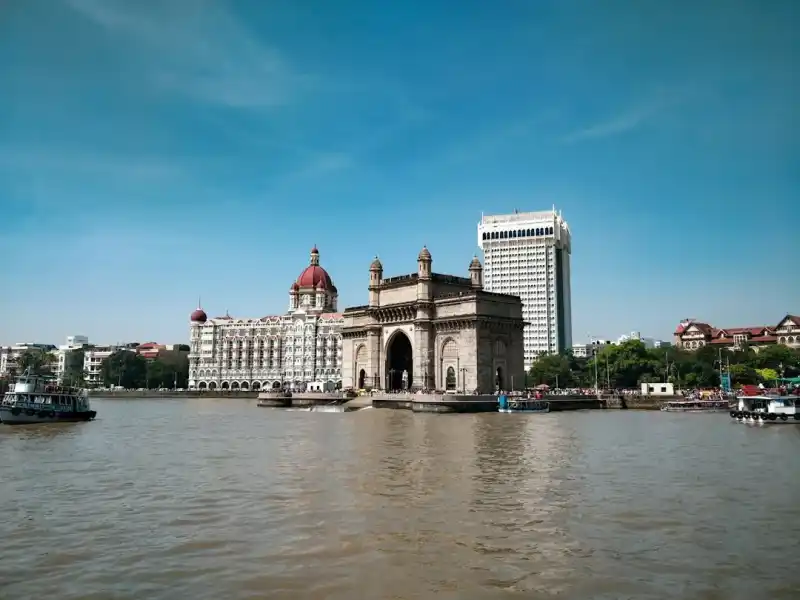
Planning a Trip to Mumbai
Mumbai is India's Arabian Sea metropolis: a financial and film centre built around a historic harbour, colonial-era architecture, dense neighbourhoods, seafront promenades and an energetic food culture.
The principal experiences include Gateway of India, Chhatrapati Shivaji Maharaj Terminus, Marine Drive, Elephanta Caves, Chhatrapati Shivaji Maharaj Vastu Sangrahalaya, Sanjay Gandhi National Park.
Two to three well-planned days suit a first visit; add time for distant excursions or a slower neighbourhood-focused trip.
History of Mumbai
The seven islands that formed Bombay passed through regional powers and Portuguese control before the British developed a major port. Land reclamation, railways, mills, commerce and cinema transformed the city; it was officially renamed Mumbai in 1995.
Mumbai Climate
Mumbai has a tropical coastal climate with warm humidity most of the year, a powerful southwest monsoon from roughly June to September and milder, drier weather from November to February.
Seasonal patterns can vary; check the current forecast and local advisories before departure.
Mumbai Weather
Cooler or drier months
Usually best for long outdoor sightseeing days; carry a light layer where evenings turn cool.
Hot months
Start early, rest during the strongest afternoon heat and carry water and sun protection.
Rainy months
Keep a flexible indoor alternative and extra time for traffic, stations and airport transfers.
Best Time to Visit
November to February is best for walking and heritage sightseeing. Monsoon visits are atmospheric but need flexible plans; March to May is hot and humid.
Read the full guide to the best time to visit Mumbai →How to Reach Mumbai
Chhatrapati Shivaji Maharaj International Airport (BOM) has domestic and international operations; verify the terminal and use authorised taxis, app cabs, buses or available metro connections.
Read the full Mumbai transport guide →Getting Around Mumbai
Suburban trains, metro, BEST buses, taxis, autos in permitted suburban areas and ferries form the network. Avoid peak suburban trains unless familiar with crowd conditions.
Group nearby attractions together and avoid unnecessary cross-city journeys during peak hours.
Top Attractions on a Mumbai Trip
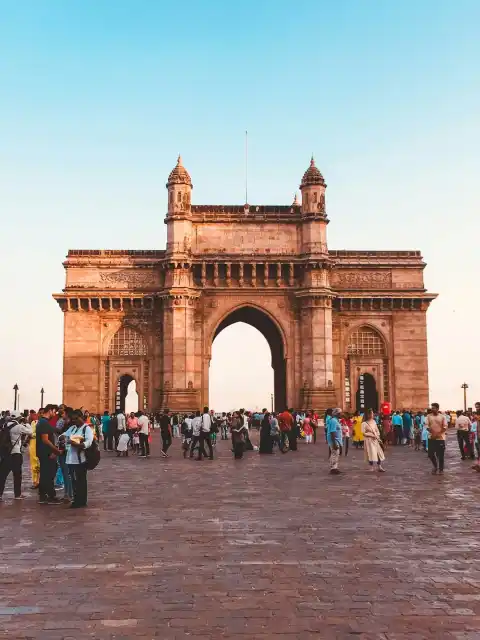
Gateway of India
Mumbai's most iconic landmark, an arch built in 1924 overlooking the harbour.
Read more ›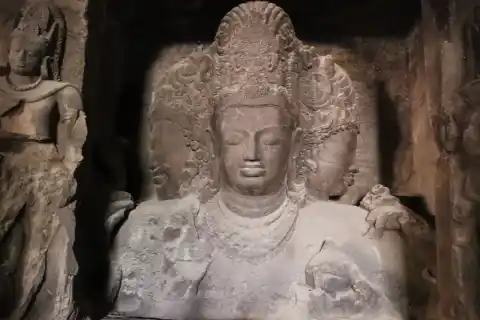
Elephanta Caves
A UNESCO World Heritage rock-cut cave complex on an island, reached by ferry.
Read more ›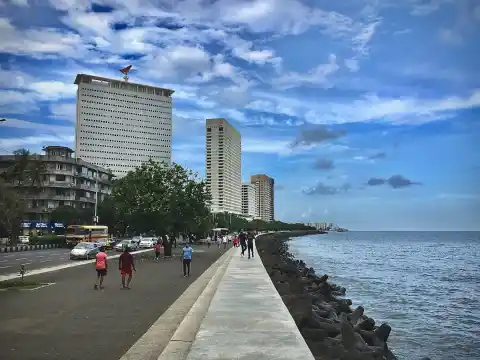
Marine Drive
A 3.6 km curved seafront promenade nicknamed the 'Queen's Necklace'.
Read more ›Haji Ali Dargah
A mosque and tomb on an islet, connected to the mainland by a causeway visible only at low tide.
Read more ›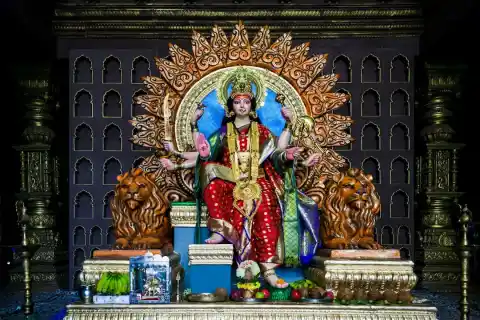
Siddhivinayak Temple
One of Mumbai's most visited Ganesh temples, especially busy on Tuesdays.
Read more ›Juhu Beach
One of Mumbai's most popular beaches, known for street food and sunset crowds.
Read more ›Chhatrapati Shivaji Maharaj Terminus (CST)
A UNESCO World Heritage Victorian Gothic railway station and Mumbai's busiest hub.
Read more ›Girgaum Chowpatty
A lively city beach at the northern end of Marine Drive, known for street food and Ganesh immersions.
Read more ›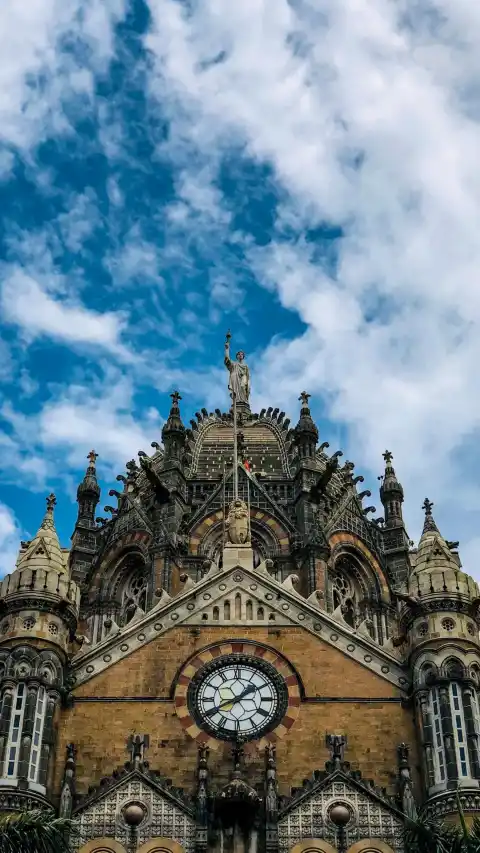
Chhatrapati Shivaji Maharaj Terminus
Read more ›
Bandra Fort
Read more ›Shopping
Colaba Causeway and Crawford Market suit lively browsing, Linking Road and Hill Road serve fashion, Chor Bazaar antiques require careful buying, and Kala Ghoda has design and craft stores.
Read the Mumbai shopping guide →Local Food
Try vada pav, pav bhaji, bhel puri, Bombay sandwiches, seafood, Irani-café dishes, Maharashtrian meals and Parsi food, choosing clean busy vendors and checking seafood freshness.
Explore Mumbai local food →Festivals in Mumbai
Ganesh Chaturthi is the city's defining public festival; Diwali, Eid, Christmas, Navratri, Kala Ghoda Arts Festival and film or music events also change crowds and traffic.
Dates change annually. Expect crowd controls and traffic diversions, and observe worship and processions respectfully.
Photography Spots
Use Gateway of India and Colaba at dawn, Marine Drive at blue hour, Kala Ghoda for architecture and Bandra seafronts for skyline views; ask before photographing fishing communities.
Tripods, drones and commercial photography may need permission. Follow monument, museum, religious-site, aviation and security restrictions.
Suggested Itinerary
Walk from the Gateway and Colaba through Kala Ghoda to CSMT, adding one museum.
See the Mumbai itinerary hub →What to Pack for Mumbai
- Comfortable walking shoes and light, breathable layers.
- Sun protection, reusable water bottle and compact rain protection.
- Modest clothing for active religious sites.
- Photo ID, medicines, prescription copies, power bank and backup payment method.
Carry breathable clothes, strong rain protection and waterproof footwear in monsoon, sun protection year-round and a light layer for air-conditioned interiors.
Hospitals in Mumbai
Major public hospitals include KEM, Sir JJ, Nair and Sion hospitals; private networks such as Hinduja, Lilavati, Kokilaben and others operate in different districts.
For urgent care, use the nearest suitable emergency department rather than crossing the destination. Call ahead for planned appointments and carry identification, insurance information and a medicine list. This is travel-planning information, not medical advice.
Mumbai Emergency Numbers
- 112: unified emergency response.
- 100: police.
- 101: fire and rescue.
- 102/108: ambulance and emergency response.
- 1098: child helpline.
Use 112 when unsure and share a clear landmark and live location. Service availability can change.
Travel Tips
Plan by area: distance on a map may not reflect real travel time. Verify before leaving: check current opening days, last entry, weather and transport status. Use recognised transport: confirm fares or app bookings and vehicle details. Respect local life: dress appropriately at religious sites and ask before portraits. Keep a buffer: allow extra time for rain, crowds and terminal transfers.
Read all Mumbai travel tips →Mumbai Trip Budget
Plan roughly ₹2,500–₹4,500 daily for budget travel, ₹6,000–₹11,000 mid-range and ₹12,000+ for comfort; accommodation is the largest variable.
These are indicative September 2026 planning ranges, not fixed prices. Accommodation location, weekends, festivals and events can materially change the total.
Planning to stay in Mumbai?
We are adding local stays in Mumbai. Share your dates and we will contact you when suitable options are available.
Free · No payment · No obligation
Good to know