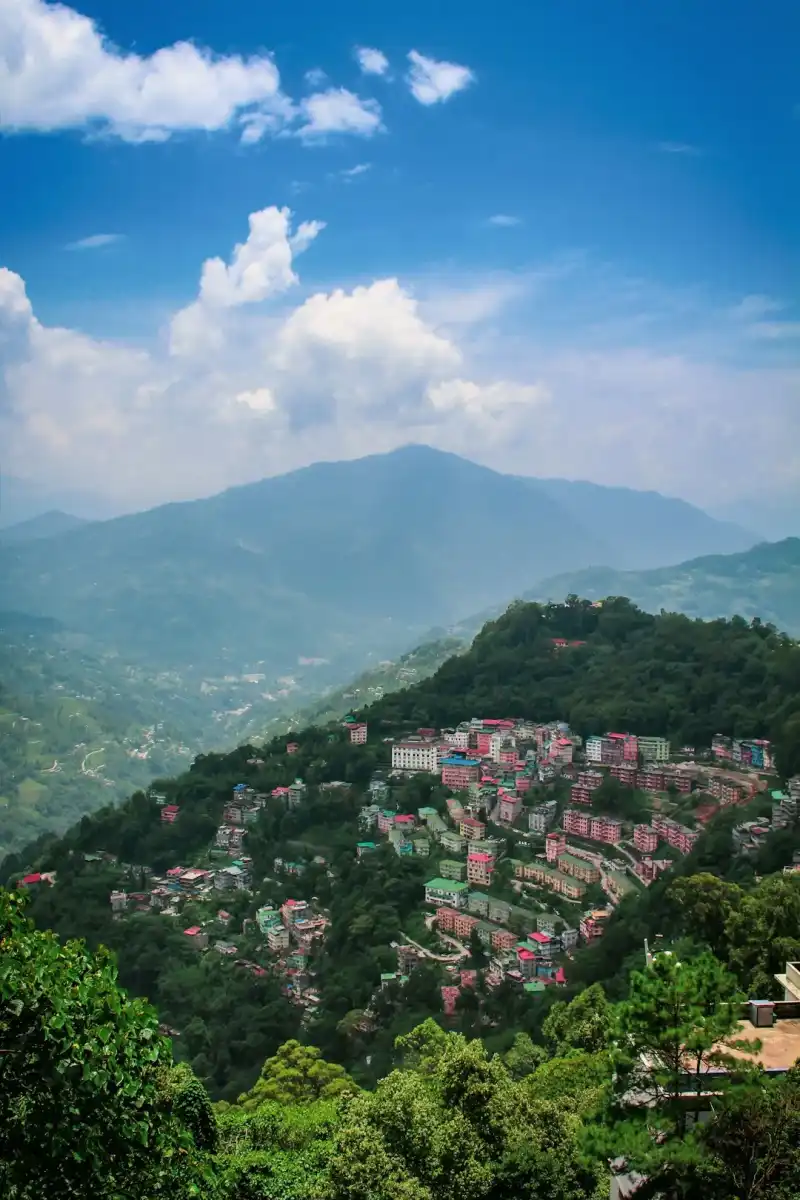
Planning a Trip to Gangtok
Gangtok is Sikkim's steep Himalayan capital, known for Buddhist monasteries, MG Marg, mountain viewpoints and regulated excursions toward Tsomgo Lake and the high border region.
The principal experiences include MG Marg, Namgyal Institute of Tibetology, Do Drul Chorten, Rumtek Monastery, Enchey Monastery, Gangtok Ropeway.
Two to three well-planned days suit a first visit; add time for distant excursions or a slower neighbourhood-focused trip.
History of Gangtok
Gangtok grew around older monasteries and became Sikkim's capital under the Namgyal monarchy. After Sikkim joined India in 1975, the city expanded as an administrative and tourism centre.
Gangtok Climate
Spring and autumn are generally mild with better mountain visibility, monsoon is very wet and landslide-prone, and winter is cold. High-altitude routes can have snow even when Gangtok itself does not.
Seasonal patterns can vary; check the current forecast and local advisories before departure.
Gangtok Weather
Cooler or drier months
Usually best for long outdoor sightseeing days; carry a light layer where evenings turn cool.
Hot months
Start early, rest during the strongest afternoon heat and carry water and sun protection.
Rainy months
Keep a flexible indoor alternative and extra time for traffic, stations and airport transfers.
Best Time to Visit
March to May and October to mid-December are usually best. Winter can work for travellers prepared for cold, while monsoon requires generous buffers and current road advisories.
Read the full guide to the best time to visit Gangtok →How to Reach Gangtok
Pakyong Airport has limited, weather-sensitive operations. Bagdogra Airport is the more widely used gateway, followed by a long road transfer.
Read the full Gangtok transport guide →Getting Around Gangtok
MG Marg is pedestrian-friendly; shared taxis and local cabs cover city sectors. Tsomgo, Nathula and other protected excursions require authorised vehicles and permits, with access never guaranteed.
Group nearby attractions together and avoid unnecessary cross-city journeys during peak hours.
Top Attractions on a Gangtok Trip
Tsomgo (Changu) Lake
High-altitude glacial lake near Gangtok — scenic, sacred and permit-controlled.
Read more ›MG Marg
Gangtok's pedestrianised central promenade, lined with shops and cafes.
Read more ›Rumtek Monastery
Major Tibetan Buddhist monastery with striking architecture and mountain views.
Read more ›Ganesh Tok
Small hilltop temple viewpoint offering panoramic views over Gangtok.
Read more ›Enchey Monastery
200-year-old Nyingma Buddhist monastery above Gangtok, known for its Chaam dances.
Read more ›Banjhakri Falls
Landscaped waterfall park with folk-culture theming and energy-park attractions.
Read more ›Shopping
Browse MG Marg and Lal Bazaar for Sikkim tea, handicrafts, carpets, prayer flags and packaged local foods. Religious objects should be bought and handled respectfully.
Read the Gangtok shopping guide →Local Food
Try momos, thukpa, gyathuk, sel roti, phagshapa where appropriate and Sikkimese vegetarian dishes, while checking spice, meat and fermented ingredients.
Explore Gangtok local food →Festivals in Gangtok
Losar, Pang Lhabsol, Saga Dawa, Dasain and Tihar reflect Buddhist, Nepali and other traditions. Monastery ceremonies require quiet observation and photography permission.
Dates change annually. Expect crowd controls and traffic diversions, and observe worship and processions respectfully.
Photography Spots
Tashi View Point, ropeway views and monastery courtyards can be rewarding, but mountain visibility changes quickly. Photography is restricted on sensitive border roads and at security sites.
Tripods, drones and commercial photography may need permission. Follow monument, museum, religious-site, aviation and security restrictions.
Suggested Itinerary
Walk MG Marg, visit the Namgyal Institute of Tibetology and Do Drul Chorten respectfully.
See the Gangtok itinerary hub →What to Pack for Gangtok
- Comfortable walking shoes and light, breathable layers.
- Sun protection, reusable water bottle and compact rain protection.
- Modest clothing for active religious sites.
- Photo ID, medicines, prescription copies, power bank and backup payment method.
Pack layers, a waterproof shell, grippy shoes and sun protection. Carry government photo ID for permits, keep expectations flexible and do not conceal medical conditions before high-altitude travel.
Hospitals in Gangtok
STNM Hospital is the principal government referral hospital, with private facilities also available. High-altitude symptoms require prompt descent and medical attention rather than self-treatment.
For urgent care, use the nearest suitable emergency department rather than crossing the destination. Call ahead for planned appointments and carry identification, insurance information and a medicine list. This is travel-planning information, not medical advice.
Gangtok Emergency Numbers
- 112: unified emergency response.
- 100: police.
- 101: fire and rescue.
- 102/108: ambulance and emergency response.
- 1098: child helpline.
Use 112 when unsure and share a clear landmark and live location. Service availability can change.
Travel Tips
Plan by area: distance on a map may not reflect real travel time. Verify before leaving: check current opening days, last entry, weather and transport status. Use recognised transport: confirm fares or app bookings and vehicle details. Respect local life: dress appropriately at religious sites and ask before portraits. Keep a buffer: allow extra time for rain, crowds and terminal transfers.
Read all Gangtok travel tips →Gangtok Trip Budget
Plan ₹2,200–₹4,500 per person daily for budget travel, ₹5,500–₹10,000 mid-range and ₹11,000+ for comfort; permits and shared/private high-altitude vehicles are additional costs.
These are indicative September 2026 planning ranges, not fixed prices. Accommodation location, weekends, festivals and events can materially change the total.
Planning to stay in Gangtok?
We are adding local stays in Gangtok. Share your dates and we will contact you when suitable options are available.
Free · No payment · No obligation
Good to know