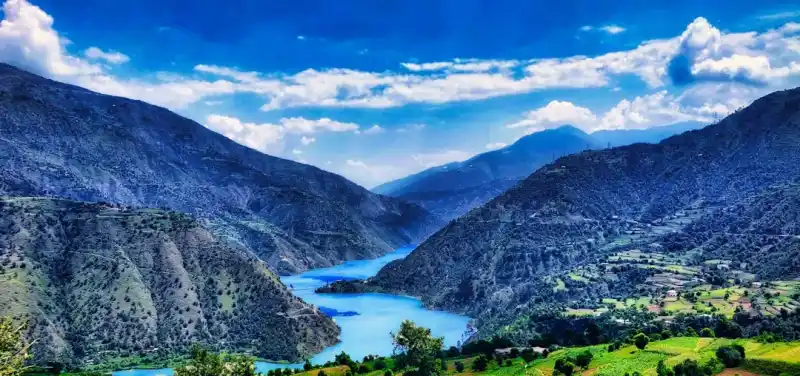
Planning a Trip to Munsiyari
Munsiyari is a remote high-altitude Kumaon settlement facing the Panchachuli peaks, serving as a base for ridge walks, village exploration and serious treks toward the Johar Valley.
The principal experiences include Panchachuli Viewpoints, Tribal Heritage Museum, Darkot Village, Nanda Devi Temple, Khaliya Top, Maheshwari Kund.
Two to three well-planned days suit a first visit; add time for distant excursions or a slower neighbourhood-focused trip.
History of Munsiyari
The region is linked to the Shauka or Johari trading community and historic trans-Himalayan routes. Seasonal trade declined after the border closed, but its cultural memory remains important.
Munsiyari Climate
Spring and autumn can be clear and cool, winter is very cold with snow, and monsoon brings heavy rain and landslide risk. Road closures and power or network interruptions are possible.
Seasonal patterns can vary; check the current forecast and local advisories before departure.
Munsiyari Weather
Cooler or drier months
Usually best for long outdoor sightseeing days; carry a light layer where evenings turn cool.
Hot months
Start early, rest during the strongest afternoon heat and carry water and sun protection.
Rainy months
Keep a flexible indoor alternative and extra time for traffic, stations and airport transfers.
Best Time to Visit
April to June and September to October are generally best. Winter is only for travellers prepared for snow and limited services; monsoon road travel needs strong caution.
Read the full guide to the best time to visit Munsiyari →How to Reach Munsiyari
Pantnagar and Pithoragarh-area air services, when operating, do not remove the need for substantial road travel; verify current options before booking.
Read the full Munsiyari transport guide →Getting Around Munsiyari
Walk within town and use local jeeps or taxis for Darkot, Birthi and trailheads. Hire registered guides for mountain routes and never treat glacier treks as casual day walks.
Group nearby attractions together and avoid unnecessary cross-city journeys during peak hours.
Top Attractions on a Munsiyari Trip
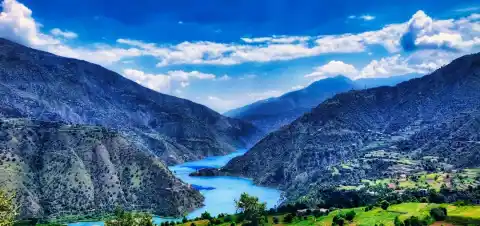
Panchachuli Peak Viewpoint
Front-row views of the five snow-capped Panchachuli peaks.
Read more ›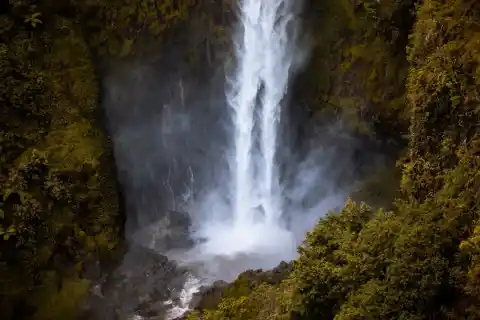
Birthi Falls
High waterfall on the approach to Munsiyari, a scenic roadside stop.
Read more ›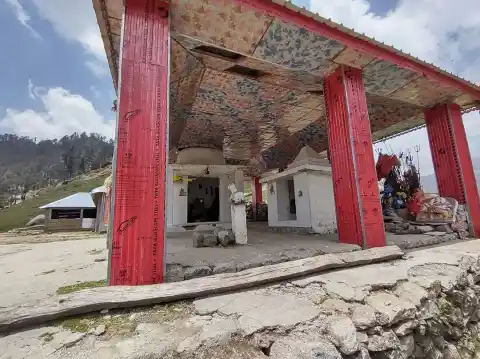
Nanda Devi Temple (Munsiyari)
Ridge-top temple reached by a short trek, with Panchachuli views.
Read more ›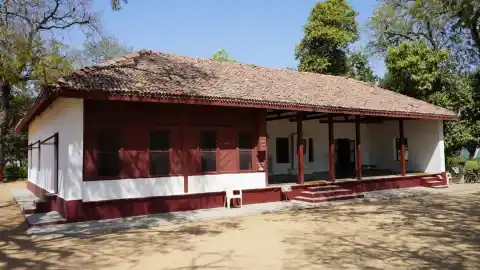
Tribal Heritage Museum
Museum documenting the Bhotiya (Shauka) tribal culture and Johar Valley trade.
Read more ›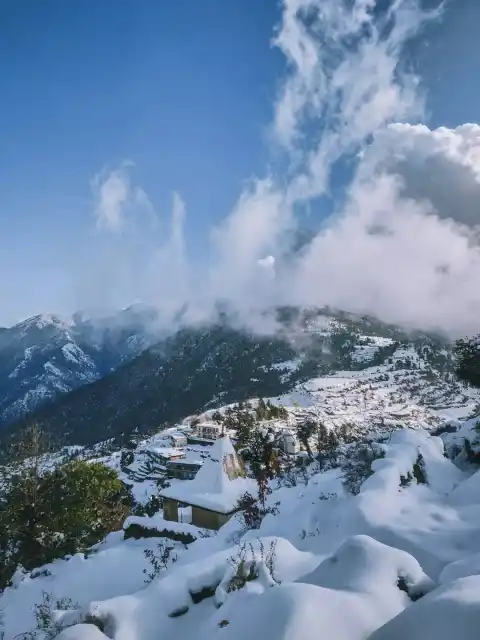
Khaliya Top
High alpine meadow and popular short trek with panoramic Himalayan views.
Read more ›Maheshwari Kund
Small hill lake wrapped in local legend, with peak views.
Read more ›Shopping
Look for locally woven Shauka woollens, carpets, pulses and regional produce through credible community sellers; purchases directly support remote artisans.
Read the Munsiyari shopping guide →Local Food
Try simple Kumaoni meals, bhatt-based dishes, mandua breads, seasonal greens and locally available meat dishes where suitable; dining choice is limited.
Explore Munsiyari local food →Festivals in Munsiyari
Nanda Devi-related festivals, local fairs and village observances reflect Johar Valley culture. Dates and visitor access should be confirmed locally.
Dates change annually. Expect crowd controls and traffic diversions, and observe worship and processions respectfully.
Photography Spots
Panchachuli views can appear at dawn after clear nights; Darkot and public ridges offer village context. Do not fly drones or enter border-sensitive areas without permission.
Tripods, drones and commercial photography may need permission. Follow monument, museum, religious-site, aviation and security restrictions.
Suggested Itinerary
Visit public Panchachuli viewpoints and the Tribal Heritage Museum.
See the Munsiyari itinerary hub →What to Pack for Munsiyari
- Comfortable walking shoes and light, breathable layers.
- Sun protection, reusable water bottle and compact rain protection.
- Modest clothing for active religious sites.
- Photo ID, medicines, prescription copies, power bank and backup payment method.
Carry serious cold layers, waterproofs, sturdy boots, sun protection, personal medicines, cash and power backup. Trek equipment must match the route and season.
Hospitals in Munsiyari
The community health centre and local clinics provide basic care; serious cases require a long transfer toward Pithoragarh or Haldwani. Remote-area insurance and a medicine supply are strongly advised.
For urgent care, use the nearest suitable emergency department rather than crossing the destination. Call ahead for planned appointments and carry identification, insurance information and a medicine list. This is travel-planning information, not medical advice.
Munsiyari Emergency Numbers
- 112: unified emergency response.
- 100: police.
- 101: fire and rescue.
- 102/108: ambulance and emergency response.
- 1098: child helpline.
Use 112 when unsure and share a clear landmark and live location. Service availability can change.
Travel Tips
Plan by area: distance on a map may not reflect real travel time. Verify before leaving: check current opening days, last entry, weather and transport status. Use recognised transport: confirm fares or app bookings and vehicle details. Respect local life: dress appropriately at religious sites and ask before portraits. Keep a buffer: allow extra time for rain, crowds and terminal transfers.
Read all Munsiyari travel tips →Munsiyari Trip Budget
Plan ₹1,800–₹3,500 per person daily in town, ₹4,000–₹7,500 mid-range and more for guided treks; the long inbound vehicle journey is a major separate cost.
These are indicative September 2026 planning ranges, not fixed prices. Accommodation location, weekends, festivals and events can materially change the total.
Planning to stay in Munsiyari?
We are adding local stays in Munsiyari. Share your dates and we will contact you when suitable options are available.
Free · No payment · No obligation
Good to know