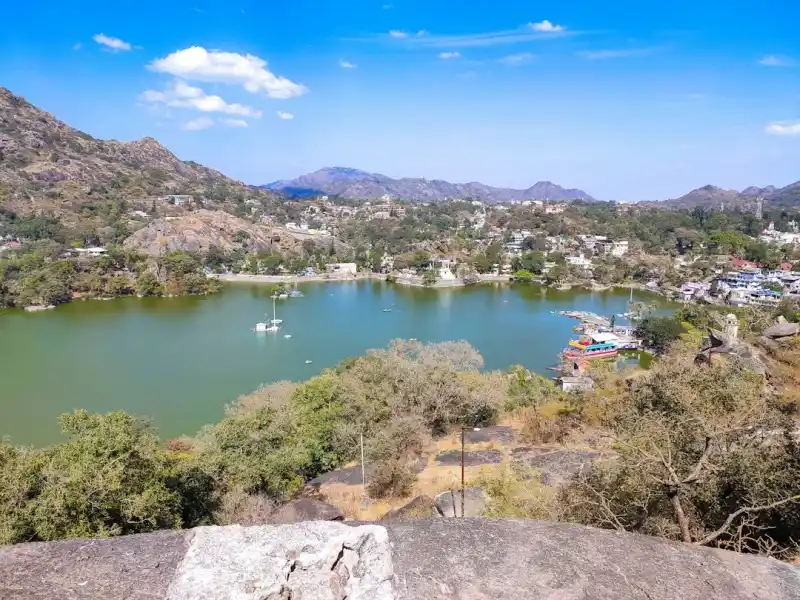
Planning a Trip to Mount Abu
Mount Abu is Rajasthan's only major hill station, an Aravalli plateau of granite viewpoints, forest, Nakki Lake and the renowned marble Dilwara Jain temples.
The principal experiences include Dilwara Temples, Nakki Lake, Guru Shikhar, Achalgarh Fort, Sunset Point, Toad Rock.
Two to three well-planned days suit a first visit; add time for distant excursions or a slower neighbourhood-focused trip.
History of Mount Abu
The area is sacred in Hindu and Jain traditions and was historically linked with regional Rajput states. It later served as a British-era hill station and headquarters for the Rajputana Agency.
Mount Abu Climate
Mount Abu is cooler than Rajasthan's plains, with pleasant winters, warm summers and a greener monsoon than surrounding districts. Fog and rain can affect high viewpoints.
Seasonal patterns can vary; check the current forecast and local advisories before departure.
Mount Abu Weather
Cooler or drier months
Usually best for long outdoor sightseeing days; carry a light layer where evenings turn cool.
Hot months
Start early, rest during the strongest afternoon heat and carry water and sun protection.
Rainy months
Keep a flexible indoor alternative and extra time for traffic, stations and airport transfers.
Best Time to Visit
October to March is best for walking and temples. April to June is warmer but still popular as a hill escape; monsoon brings green landscapes and slippery roads.
Read the full guide to the best time to visit Mount Abu →How to Reach Mount Abu
Udaipur is the nearest practical commercial airport, followed by a road transfer. Ahmedabad offers broader connectivity for some itineraries.
Read the full Mount Abu transport guide →Getting Around Mount Abu
Walk around Nakki Lake and the market; use local taxis for Dilwara, Guru Shikhar and Achalgarh. Shared sightseeing tours can reduce cost but follow fixed schedules.
Group nearby attractions together and avoid unnecessary cross-city journeys during peak hours.
Top Attractions on a Mount Abu Trip
Dilwara Jain Temples
Exquisite 11th–13th century marble Jain temples renowned for intricate carving.
Read more ›Nakki Lake
Scenic lake at the heart of Mount Abu, popular for boating and evening strolls.
Read more ›Guru Shikhar
The highest peak of the Aravalli Range, with a temple and panoramic views.
Read more ›Sunset Point
Popular viewpoint for watching the sun set over the Aravalli hills and plains.
Read more ›Achalgarh Fort & Achaleshwar Mahadev Temple
Historic hilltop fort with an ancient Shiva temple known for a toe-shaped shrine.
Read more ›Mount Abu Wildlife Sanctuary
Forested Aravalli sanctuary rich in birdlife, home to varied flora and wildlife.
Read more ›Shopping
The main market sells Rajasthani textiles, handicrafts, marble souvenirs and local foods. Buy religious or higher-value stone items only from reputable sellers with proper bills.
Read the Mount Abu shopping guide →Local Food
Try Rajasthani vegetarian thalis, dal baati churma, gatte ki sabzi, snacks and seasonal local produce; Jain food is widely available near pilgrimage areas.
Explore Mount Abu local food →Festivals in Mount Abu
Summer Festival, Winter Festival, Diwali and temple observances bring cultural programmes and crowds; Dilwara requires strict respect for its current entry and photography rules.
Dates change annually. Expect crowd controls and traffic diversions, and observe worship and processions respectfully.
Photography Spots
Nakki Lake and Sunset Point are popular but crowded; Guru Shikhar and Achalgarh offer wider landscapes. Photography inside temple areas may be prohibited.
Tripods, drones and commercial photography may need permission. Follow monument, museum, religious-site, aviation and security restrictions.
Suggested Itinerary
Walk Nakki Lake, explore the bazaar and use a designated sunset viewpoint.
See the Mount Abu itinerary hub →What to Pack for Mount Abu
- Comfortable walking shoes and light, breathable layers.
- Sun protection, reusable water bottle and compact rain protection.
- Modest clothing for active religious sites.
- Photo ID, medicines, prescription copies, power bank and backup payment method.
Carry comfortable shoes, sun protection, modest temple clothing and a light layer for cool evenings. Add rain protection and extra grip during monsoon.
Hospitals in Mount Abu
Government Hospital Mount Abu and local clinics handle routine and emergency needs; larger specialist facilities are available in Abu Road, Sirohi or Udaipur depending on urgency.
For urgent care, use the nearest suitable emergency department rather than crossing the destination. Call ahead for planned appointments and carry identification, insurance information and a medicine list. This is travel-planning information, not medical advice.
Mount Abu Emergency Numbers
- 112: unified emergency response.
- 100: police.
- 101: fire and rescue.
- 102/108: ambulance and emergency response.
- 1098: child helpline.
Use 112 when unsure and share a clear landmark and live location. Service availability can change.
Travel Tips
Plan by area: distance on a map may not reflect real travel time. Verify before leaving: check current opening days, last entry, weather and transport status. Use recognised transport: confirm fares or app bookings and vehicle details. Respect local life: dress appropriately at religious sites and ask before portraits. Keep a buffer: allow extra time for rain, crowds and terminal transfers.
Read all Mount Abu travel tips →Mount Abu Trip Budget
Plan ₹1,700–₹3,300 per person daily for budget travel, ₹4,000–₹7,500 mid-range and ₹8,500+ for comfort; long weekends and festival periods raise room rates.
These are indicative September 2026 planning ranges, not fixed prices. Accommodation location, weekends, festivals and events can materially change the total.
Planning to stay in Mount Abu?
We are adding local stays in Mount Abu. Share your dates and we will contact you when suitable options are available.
Free · No payment · No obligation
Good to know